Predator-aware outdoor rabbitry
Hardware cloth, raised floors, latches, lighting, and night routines for cold-climate and rural sites.
In this guide8
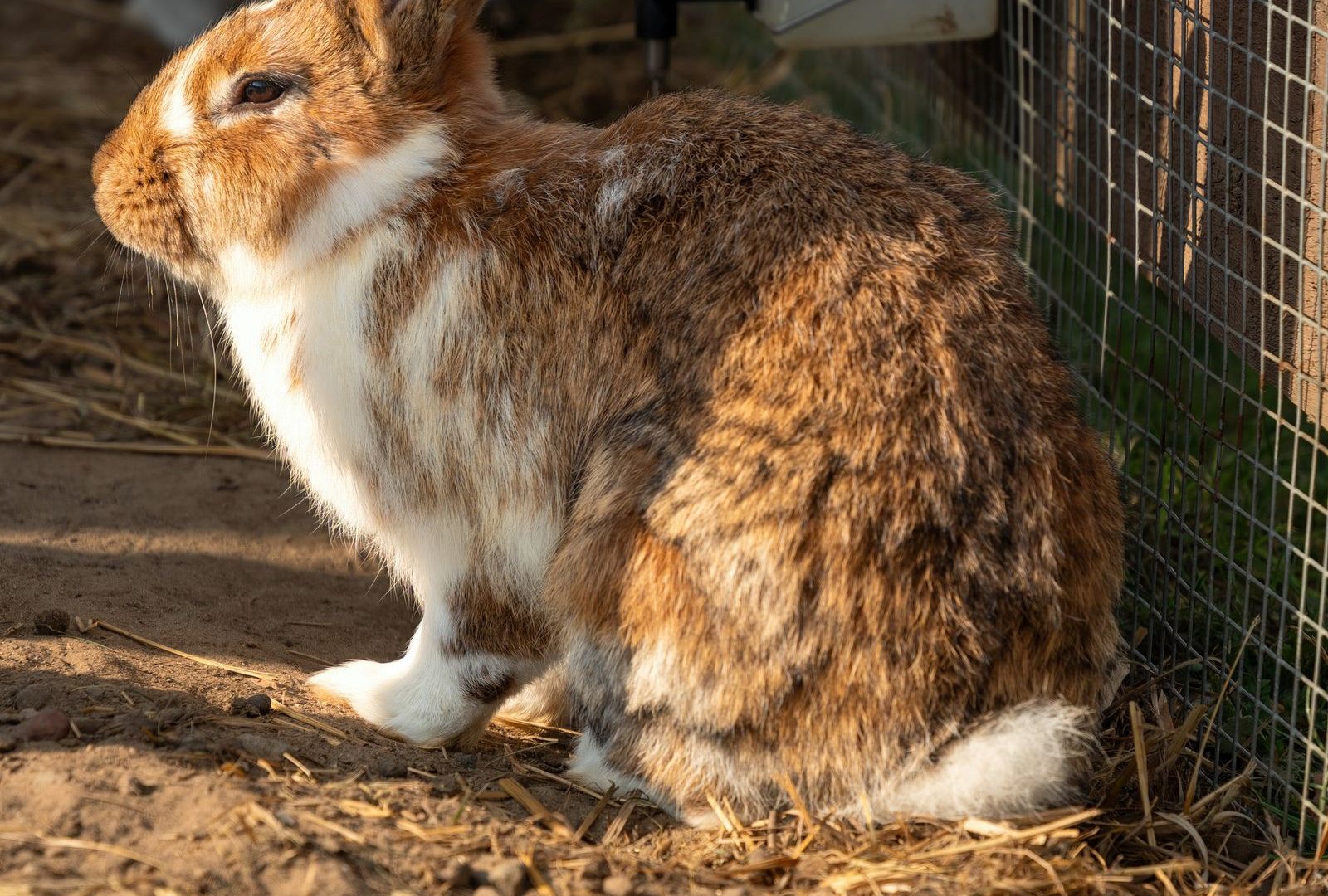
Outdoor rabbits are safe rabbits only if you plan for predators before you need to. A single breach on a quiet night can wipe out a whole hutch. The good news: a few well-chosen materials and a consistent night routine defeat almost every common threat. Here is how to build a predator-aware rabbitry.
Know what you are defending against
- Dogs and foxes — dig under and tear at weak wire.
- Raccoons — dexterous paws that open simple latches and reach through wide mesh.
- Weasels, mink and rats — squeeze through surprisingly small gaps and kill kits.
- Hawks, owls and other raptors — strike from above at uncovered runs.
- Snakes — enter through any gap a nestling could fit through, after kits.
Hardware cloth, not chicken wire
This is the most important single choice. Chicken wire keeps rabbits in but does not keep predators out — raccoons reach through it and dogs tear it. Use ½-inch galvanised hardware cloth for any surface a predator can reach. Half-inch mesh also blocks weasels and stops raccoons from grabbing through the wire.
Stop the diggers
Foxes and dogs go under, not over. Defeat them with one of these:
- Raise the hutch on legs so the floor sits well off the ground.
- Bury hardware cloth 12 inches down around the perimeter, or
- Lay an 18-inch hardware-cloth apron flat on the ground, pinned down, so a digger hits wire and gives up.
Cover the top
Any open run needs a secure roof or overhead mesh — raptors and climbing predators both come from above. A solid or mesh top also adds shade and keeps rain off.
Latches raccoons can’t beat
Raccoons open simple hook-and-eye and slide latches. Use two-step latches, spring-loaded carabiners, or a barrel bolt with a clip. The rule of thumb: if a curious toddler could open it, so can a raccoon. Every door and lid counts.
Raised floors and sound footing
Elevating the hutch deters diggers and improves drainage and ventilation. If you use a wire floor, choose a gauge and mesh that supports the rabbit’s feet to prevent sore hocks, and provide a solid resting board so they can get off the wire.
Lighting and a reliable night routine
Most attacks happen at dusk, night and dawn. Build a routine you never skip:
- Do a headcount and close every latch at dusk — every night.
- Add a motion-sensor light; sudden light unsettles many nocturnal predators.
- Walk the perimeter weekly looking for fresh digging, chewed wire or loose staples.
- Keep feed sealed in metal bins so you are not baiting rats and raccoons to the site.
Placement
Site the rabbitry in a visible spot near the house, away from dense cover that hides approaching predators, and clear of overhanging branches a climber could drop from. Good sightlines help you and deter them.
Predator-proofing checklist
- ½-inch hardware cloth on every reachable surface ✔
- Buried skirt or apron, or a raised floor, against diggers ✔
- Secure roof or overhead mesh against raptors ✔
- Two-step, raccoon-proof latches on all doors and lids ✔
- Nightly headcount, latch check and motion light ✔
- Feed stored in sealed metal bins ✔
This is general husbandry guidance, not veterinary advice. If a rabbit is injured in a predator incident, contact a rabbit-savvy veterinarian promptly.
Related buying guides
What to look for before you buy. These guides contain clearly labelled Amazon affiliate links.


Related guides

The Rabbit Tractor System
A movable pasture housing system for homestead rabbits — how a rabbit tractor works, why it…

Outdoor Wood Hutch System
A predator-aware wooden hutch layout with raised floors and cross-ventilation. Wins on winter performance and cleaning…

Colony Ground System
Group-housed system with multiple nesting boxes, tunnels, and a separation pen. Highest enrichment, highest labor.