Worried your rabbit is not drinking enough? You are right to pay attention. Water is one of the most overlooked parts of rabbit care — and a bunny that drinks too little can get dangerously sick, fast.
Here is what you need: a clear answer on bowl versus bottle, how much water your rabbit needs, and how to keep it drinking. In this guide you will learn which option keeps rabbits best hydrated, how to spot dehydration, and simple tricks to boost water intake. Let us keep your bunny healthy and happy. 💧🐰
Rabbits need constant access to clean, fresh water. It sounds obvious, but the type of water container you choose really does affect how much your rabbit drinks — and that can make a big difference to its health. This guide settles the bowl-versus-bottle debate with clear, practical advice.
Why Water Is So Important for Rabbits
Water keeps a rabbit’s digestive system moving — and for a rabbit, a moving gut is life itself. Rabbits are prone to a serious condition called GI stasis, where the gut slows down or stops. Dehydration is one of the biggest triggers.
Why even mild dehydration is risky: when a rabbit drinks too little, food dries out inside the gut and stops moving. This can quickly become a painful, life-threatening emergency. Good hydration also helps flush the kidneys and bladder, lowering the risk of the sludge and stones rabbits are prone to.
The simple takeaway: a well-hydrated rabbit eats more hay, digests better, and stays healthier. That is why water is not a “set it and forget it” item — it is a daily health priority worth getting right.
For a rabbit, water and hay work as a team. Plenty of water keeps the gut moving, and a moving gut keeps your rabbit alive and well.
How Much Water Does a Rabbit Need?
Rabbits drink more than many people expect — often as much as a small dog of similar size. Intake varies with diet, weather, and activity, but here is a helpful guide.
| Rabbit size | Typical daily water | Notes |
|---|---|---|
| Small (under 4 lb) | ~50–100 ml | More in hot weather |
| Medium (4–7 lb) | ~100–200 ml | Rises with dry pellet diets |
| Large (8–11 lb) | ~200–400 ml | Big drinkers; never let it run dry |
Rabbits eating lots of fresh, watery greens drink a little less, while those on mostly dry hay and pellets drink more. When in doubt, always offer more than enough and refresh it daily.
Bowl vs Bottle: The Big Comparison
This is the question every rabbit owner asks. Both work, but they have real differences. Here is the honest head-to-head.
| Feature | Water bowl | Water bottle |
|---|---|---|
| How much rabbits drink | More (natural head-down position) | Often less |
| Cleanliness | Gets bedding & food in it | Stays cleaner |
| Spills / tipping | Can be tipped (use heavy ceramic) | No spills |
| Ease of checking | Easy to see the level | Can clog or jam unseen |
| Winter freezing | Freezes but easy to swap | Spout freezes and blocks |
The expert view: most rabbit experts lean toward a heavy ceramic bowl, because rabbits drink more from the natural head-down position — and more drinking is safer. Bottles are tidy and spill-free, which many owners love. The best answer for a lot of homes? Offer both, and let your rabbit choose.
Bowls usually win on how much rabbits drink; bottles win on cleanliness. Offer both and you get the best of each — plus a backup if one fails.
No-Drip Rabbit Water Bottle
Clean water, no mess. A leak-resistant rabbit water bottle keeps water free of bedding and food, mounts easily to a cage or pen, and makes a perfect tidy backup alongside a bowl.
- No-drip nozzle keeps bedding dry and reduces waste
- Stays clean — water is protected from hay, food, and litter
- Easy cage mount at the right height for your rabbit
- Clear markings so you can check the level at a glance
As an Amazon Associate we earn from qualifying purchases. Affiliate links never decide what we recommend.
How to Get Your Rabbit to Drink More
If your rabbit seems to drink too little, do not panic — a few simple tweaks usually help. Try these gentle tricks.
- Switch to a heavy bowl. Many rabbits drink noticeably more from a bowl than a bottle. A wide ceramic bowl is hard to tip.
- Offer both bowl and bottle. Give your rabbit the choice and watch which it prefers.
- Serve wet greens. Washed, damp leafy greens add water through food and boost hydration.
- Keep water fresh and cool. Rabbits avoid stale, warm, or dirty water. Change it at least once a day.
- Add a splash of flavor (carefully). A tiny bit of unsweetened, rabbit-safe herb water can tempt a fussy drinker — plain water should always be available too.
Keeping Water Clean and Safe
Fresh, clean water is just as important as having water at all. Rabbits turn their noses up at dirty water, which means they drink less.
Daily and weekly care
Empty and refill the container with fresh water every day. Scrub bowls and bottles with a bottle brush at least weekly to stop slimy algae and bacteria from building up, especially in warm weather.
Winter watering
In cold weather, bottle spouts freeze and block without warning — a hidden danger. Check them several times a day, use an insulated cover or heated option, or switch to bowls you can swap out when they ice over.
Signs of Dehydration in Rabbits
Catching dehydration early can save your rabbit’s life. Watch for these warning signs, especially in hot weather or if a water container has failed.
- Thick, sticky saliva or a dry mouth.
- Small, hard, or few droppings — a sign the gut is slowing.
- Lethargy and loss of appetite.
- Sunken eyes or skin that is slow to spring back when gently lifted.
- Dark, strong-smelling urine.
Common Watering Mistakes (and Fixes)
Pro Tips From Experienced Keepers
- Watch the water level. Note how much your rabbit normally drinks so a sudden drop stands out.
- Two sources, always. A bowl and a bottle means water never fully runs out if one fails.
- Use filtered or tap water. Clean tap water is fine; skip anything with additives.
- Place water away from the litter corner. Rabbits prefer to drink away from where they toilet.
- Refresh more in summer. Warm water goes stale fast — change it twice a day in the heat.
Real-Life Example: The Bottle That Fooled Everyone
A story shared often in rabbit groups: an owner notices their rabbit is quiet and off its food, with tiny droppings. The water bottle looks full, so they assume hydration is fine. A closer check reveals the ball valve is stuck — the bottle was full because the rabbit could not get a drop out. Experienced keepers had warned them: never trust a full bottle; test that water actually flows.
After switching to a heavy bowl, the rabbit drank eagerly and bounced back. This exact scenario is one of the most common hydration scares in the rabbit community. The lesson everyone learns: a full bottle can hide a thirsty rabbit. Offering a bowl — and checking the flow daily — prevents this frightening, avoidable problem.
Frequently Asked Questions
Is a bowl or bottle better for rabbits?
Most experts prefer a heavy ceramic bowl because rabbits drink more from the natural head-down position. Bottles stay cleaner. Offering both is often the best solution.
How much water should a rabbit drink per day?
Roughly 50 to 400 ml depending on size, diet, and weather — often as much as a small dog. Always provide unlimited fresh water.
Why is my rabbit not drinking water?
Common causes are a clogged bottle, dirty or warm water, or a diet high in watery greens. Try a clean bowl of fresh water and check that any bottle actually flows. If your rabbit also stops eating, see a vet.
Can rabbits drink tap water?
Yes, clean tap water is generally fine. Avoid flavored, sugary, or additive-filled drinks — plain fresh water is all a rabbit needs.
How do I stop my rabbit’s water freezing in winter?
Check spouts often, use insulated or heated options, or swap out bowls when they ice over. A frozen bottle can leave your rabbit without water for hours.
Your Rabbit Watering Checklist ✅
- Unlimited fresh, clean water available at all times
- A heavy ceramic bowl offered (rabbits drink more from bowls)
- A clean bottle as a tidy backup
- Water refreshed daily, containers scrubbed weekly
- Bottle flow tested every day
- Extra water and cooling in hot weather
- Winter freezing checked several times a day
- Familiar with your rabbit’s normal intake and dehydration signs
Water may be the simplest part of rabbit care, but it is one of the most important. Offer a bowl and a bottle, keep the water clean and fresh, check the flow every day, and watch for changes. Do that, and you will keep your rabbit’s gut moving, its body healthy, and its spirits high. 🐇💧
Keep exploring: pair good water with the right food in our complete diet guide, keep your bunny safe in the heat with our summer cooling guide, and set up a clean space with our litter training guide.
Related buying guides
What to look for before you buy. These guides contain clearly labelled Amazon affiliate links.
Related guides
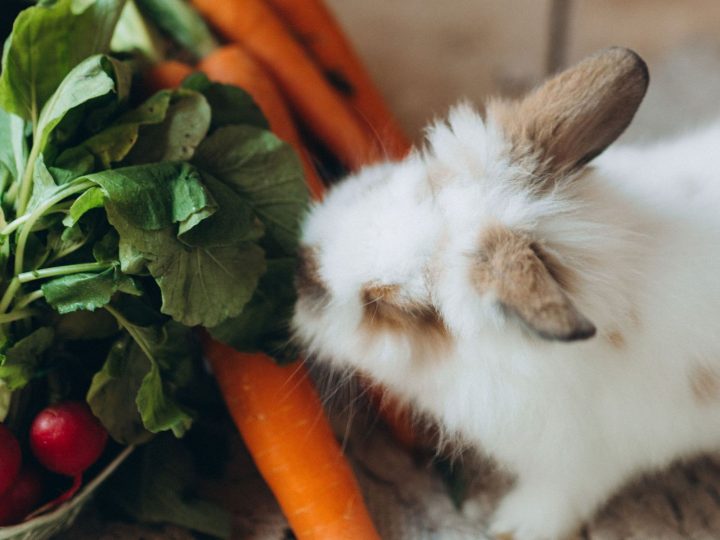
Can Rabbits Eat That? Safe Foods List
"Can rabbits eat this?" It is the question every owner types into Google, treat in hand,…
What Do Rabbits Eat? Complete Diet Guide
Feeding a rabbit sounds simple — until you Google it and get 20 different answers. One…
The Off-Grid Homestead Rabbit System
A complete off-grid homestead rabbit system — power-free housing, feeding from your land, gravity and rainwater…