The Off-Grid Homestead Rabbit System
A complete off-grid homestead rabbit system — power-free housing, feeding from your land, gravity and rainwater watering, breeding for a steady meat supply, and closing the loop with manure for true food security.
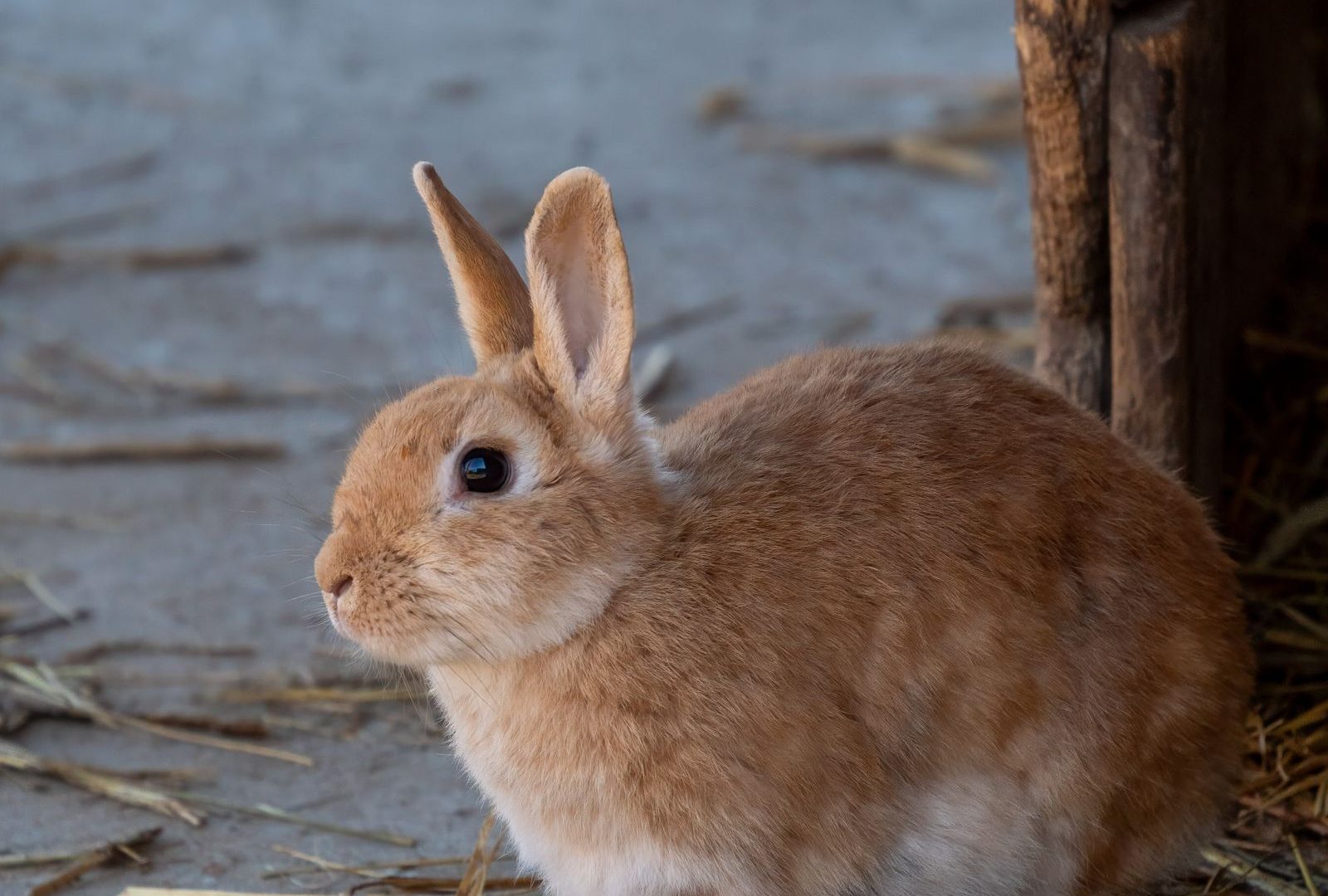
Want a food source that keeps producing even off the grid — no freezer, no feed store, no power required? Rabbits are one of the most efficient, self-reliant protein sources a homestead can raise.
This is a complete off-grid homestead rabbit system: how to house, feed, water, and manage rabbits for real food security without depending on the grid. From pasture feeding to gravity watering to breeding for a steady supply, here is how to build a resilient, self-sufficient rabbit setup. 🐇🌱
Rabbits are a homesteader’s dream livestock: small, quiet, fast-reproducing, and able to turn grass and garden scraps into protein. Set up the right way, they keep producing food off-grid year after year. Here is the full system.
Why Rabbits for Off-Grid Food Security?
Rabbits are among the most efficient, self-reliant protein sources a homestead can raise. They need little space, breed quickly, eat what the land and garden provide, and require no electricity to keep.
Efficiency: a small number of does can produce a steady supply of meat through the year, converting forage and scraps into protein far faster than larger livestock. They are quiet, compact, and manageable even on a modest property.
Self-reliance: unlike freezer-dependent meat, rabbits are “stored on the hoof” — raised as needed, no power required. Fed largely on pasture, hay, and garden trimmings, they reduce dependence on the feed store, and their manure feeds the garden that helps feed them. It is a genuinely closed, resilient loop.
Rabbits turn grass, hay, and garden scraps into protein — no grid, no freezer, no feed truck required. That is real food security.
Off-Grid Housing That Needs No Power
Off-grid rabbit housing is refreshingly simple: it needs shelter, ventilation, and predator protection — no electricity at all.
- Sturdy hutches or a colony. Raised hutches or a secure ground colony both work; choose based on your climate and space.
- Shade and wind protection. Rabbits handle cold far better than heat, so prioritize summer shade and airflow.
- Predator-proofing. Strong wire, secure latches, and a covered top keep out the predators a rural property attracts.
- Rain and draft cover. A solid roof and a sheltered side keep rabbits dry and out of the wind.
- Natural materials. Wood, wire, and salvaged materials build durable off-grid housing without special supplies.
Feeding Without Relying on the Feed Store
The heart of an off-grid rabbit system is feeding them from your land instead of a bag. Rabbits thrive on forage when you transition them carefully.
- Grow and cure hay. Grass hay is the foundation; learn to cut, dry, and store it for winter.
- Offer safe forage. Grasses, dandelion, plantain, and many garden greens make excellent rabbit food — learn which plants are safe.
- Feed garden surplus. Carrot tops, lettuce trimmings, and other scraps turn kitchen and garden waste into meat.
- Transition slowly. Shift from pellets to forage gradually to protect sensitive rabbit digestion.
- Keep a hay reserve. Always store enough dried hay to carry the herd through winter or a dry spell.
Gravity Rabbit Watering System
Off-grid watering made simple. A gravity-fed watering system delivers clean water to multiple rabbits from a single reservoir — no power, no electric pump, just refill and let gravity do the work. Perfect for a self-reliant homestead setup.
- No electricity needed — pure gravity feed
- Waters multiple rabbits from one tank
- Cuts daily chores to a simple reservoir refill
- Keeps water clean and off the ground
As an Amazon Associate we earn from qualifying purchases. Affiliate links never decide what we recommend.
Off-Grid Watering Solutions
Rabbits need constant fresh water, and off-grid you provide it without a tap or pump. A few reliable methods keep the herd hydrated.
- Gravity-fed systems. A raised reservoir feeds nipples or bowls by gravity — the simplest off-grid solution.
- Rainwater collection. Capturing and storing rainwater gives a renewable supply for the herd.
- Refillable bottles or crocks. Simple, low-tech, and easy to clean; just plan for daily refills.
- Winter freeze plan. Without heaters, swap bottles or break ice twice daily in freezing weather.
- Always clean. Refresh and scrub containers regularly — clean water prevents most illness.
Breeding for a Steady Food Supply
The magic of a rabbit system is renewal — a small breeding group keeps producing food indefinitely, no restocking required.
- Keep a breeding trio or more. A buck and a few does supply a steady stream of litters.
- Stagger your litters. Spacing breedings gives a continuous, year-round supply rather than a glut.
- Select your best stock. Keep the healthiest, best-mothering does to strengthen the herd over time.
- Raise your own replacements. Retain young does to replace older ones — true self-sufficiency.
- Plan humanely. Give does rest between litters; a sustainable pace keeps the whole system healthy.
A breeding group is a renewable food source. With a few does and a buck, a homestead can raise its own protein indefinitely — that is the essence of off-grid rabbits.
Closing the Loop: Manure and the Garden
An off-grid rabbit system feeds more than your table. Rabbit manure is one of the best garden fertilizers there is, closing the homestead loop.
- Cold manure. Unlike most animal waste, rabbit manure can go straight onto the garden without burning plants.
- Feed the soil that feeds them. Manure grows the greens and hay that feed the rabbits — a true closed loop.
- Worm bins. Placing worm bins under hutches turns manure into rich castings and raises fishing or compost worms too.
- Less waste, more yield. Nothing is wasted: scraps become meat, and waste becomes garden fertility.
Year-Round Resilience at a Glance
Here is how an off-grid rabbit system shifts across the seasons so you can plan ahead.
| Season | Main focus | Off-grid tasks |
|---|---|---|
| Spring | Breeding & forage | Start litters; begin fresh forage feeding |
| Summer | Heat management | Shade, ventilation, cool water; cut and cure hay |
| Autumn | Stocking up | Store hay reserves; keep breeding for winter meat |
| Winter | Water & warmth | Prevent freezing water; feed stored hay; block wind |
Common Off-Grid Rabbit Mistakes (and Fixes)
Pro Tips for a Self-Reliant Rabbit System
- Learn to cure hay. Reliable hay storage is the backbone of off-grid feeding.
- Grow a forage patch. Plant a dedicated bed of safe rabbit greens near the hutches.
- Collect rainwater. A simple catchment reduces your watering chores year-round.
- Keep a worm bin. Turn manure into garden gold and bonus compost worms.
- Breed a little extra. A small buffer of stock builds resilience against loss or a hard season.
Real-Life Example: A Truly Self-Reliant Setup
Homesteaders often describe the same rewarding journey: they start rabbits fed on store pellets, then gradually shift to home-cured hay, garden scraps, and foraged greens. They add a gravity waterer and a rainwater barrel, place a worm bin under the hutches, and keep a breeding trio producing staggered litters.
Within a season, the system runs almost entirely off their own land — feeding the family protein, feeding the garden with manure, and needing no power at all. Their reflection is a common one in the off-grid community: of all the animals they tried, rabbits gave the most food security for the least input. Small, efficient, and renewable, a rabbit system is one of the most practical steps toward true self-reliance a homestead can take.
Frequently Asked Questions
Are rabbits good for off-grid living?
Yes. Rabbits need no electricity, breed quickly, eat forage and scraps, and produce steady protein plus garden fertilizer — making them one of the most self-reliant homestead animals.
Can I feed rabbits without buying pellets?
Yes, with care. Rabbits thrive on grass hay, safe forage, and garden greens. Transition slowly from pellets, keep a hay reserve, and learn which plants are safe first.
How do I water rabbits off-grid?
Use gravity-fed systems, rainwater collection, or refillable bottles. The main challenge is winter — plan twice-daily swaps or insulated containers to prevent freezing.
How many rabbits do I need for food security?
Even a breeding trio (one buck, two does) can supply a steady flow of meat when litters are staggered. Scale up based on your family’s needs.
What do I do with rabbit manure?
Rabbit manure is a cold manure you can put straight on the garden, or compost with a worm bin. It feeds the soil that grows food for the rabbits — a closed loop.
Your Off-Grid Rabbit System Checklist ✅
- Predator-proof, well-ventilated housing with summer shade
- Hay cured and stored for winter and dry spells
- Safe-forage list learned; garden greens fed as surplus
- Gravity waterer or rainwater supply set up
- Winter freeze plan for water in place
- Breeding trio producing staggered litters
- Manure composted or worm-binned for the garden
- Own replacement stock kept for long-term self-reliance
An off-grid rabbit system is one of the smartest moves toward real food security. Give rabbits simple shelter, feed them from your land, water them with gravity or rain, breed a steady supply, and close the loop with their manure. Do that, and you will have a quiet, renewable protein source that keeps producing — grid or no grid. 🌾🐇
Keep building your system: learn safe feeding in our complete diet guide, set up breeding with our breeding rabbitry system, and explore pasture feeding with the rabbit tractor system.
Related buying guides
What to look for before you buy. These guides contain clearly labelled Amazon affiliate links.
Related guides

The Free-Roam House Rabbit System
The complete free-roam house rabbit system — how to know your bunny is ready, set up…
Are Rabbits Good Pets? Pros & Cons
Thinking about getting a rabbit? Smart move to research first. Rabbits are adorable, but they are…

Best Rabbit Breeds for Beginners
Ready to bring home a rabbit but overwhelmed by all the breeds? Lops, Rexes, Lionheads, giants…