The Breeding Rabbitry System
A complete breeding rabbitry system — planning your setup, cages, nesting and kindling, record-keeping, feeding the herd, and the full breeding cycle for raising healthy kits.
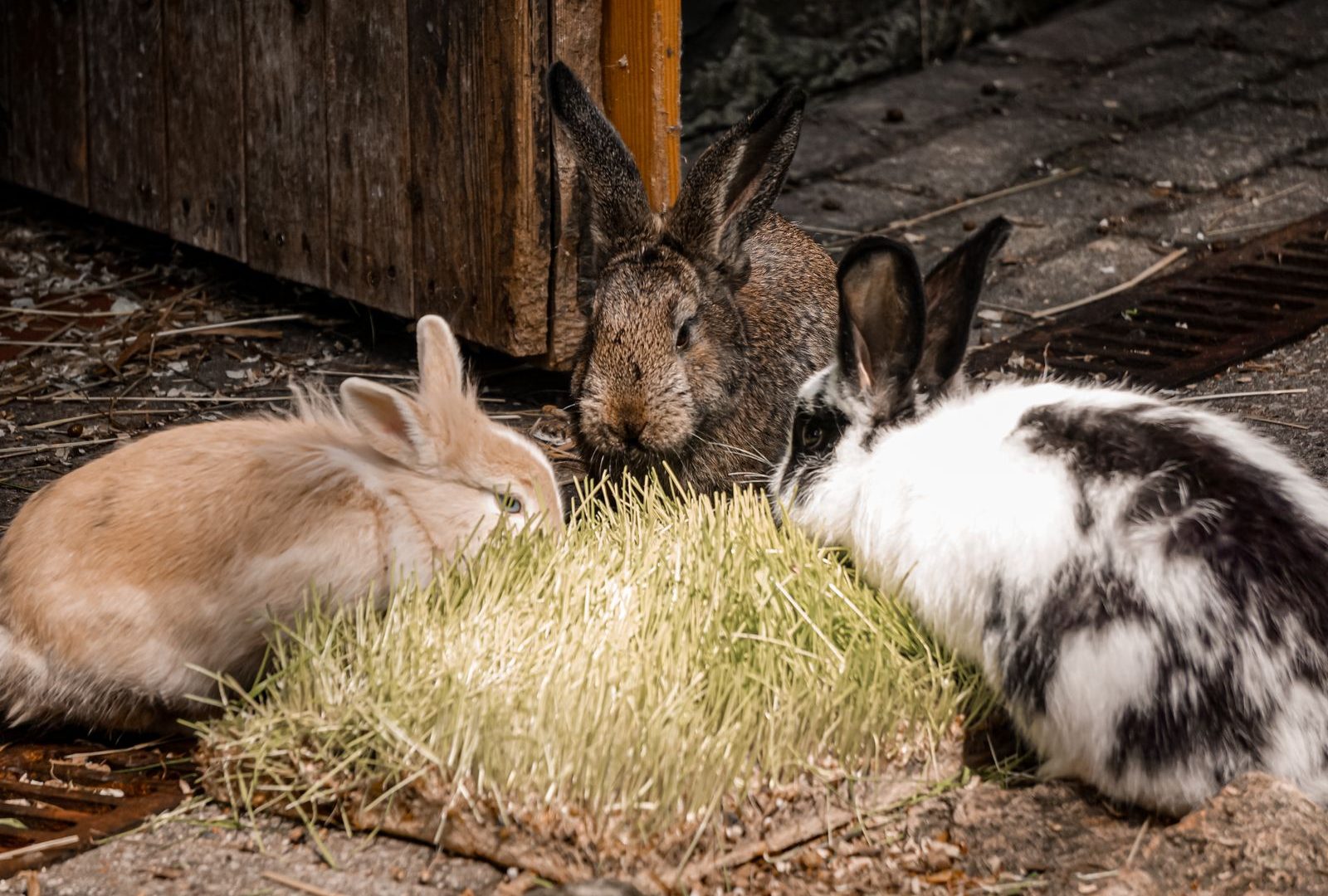
Dreaming of raising your own rabbits — for the homestead, for meat, or to preserve a breed — but not sure how to set it all up? A well-planned rabbitry makes breeding organized, humane, and successful.
This is a complete breeding rabbitry system: the cages, the nesting setup, the record-keeping, the feeding stations, and the breeding cycle, all laid out step by step. Whether you want two does or twenty, this blueprint helps you raise healthy kits with confidence and care. 🐰📋
A rabbitry is simply an organized system for breeding rabbits. The keys are good housing, careful record-keeping, proper nesting, and solid sanitation. Get the system right and breeding becomes calm, welfare-focused, and rewarding. Here is how to build it.
What Is a Rabbitry System?
A rabbitry is an organized setup for breeding and raising rabbits, built around clean housing, careful records, and humane management. It is the difference between “some rabbits in cages” and a smooth, welfare-focused breeding operation.
Why organization matters: breeding involves tracking who is bred to whom, when kits are due, and how they grow. Without a system, litters get missed, records get muddled, and welfare slips. A good rabbitry keeps everything predictable, so does and kits stay healthy and you stay in control.
Who it is for: homesteaders raising meat rabbits, hobby breeders preserving a breed, and anyone who wants to raise a few litters responsibly. Whether small or large, the same principles apply — clean cages, good nesting, accurate records, and strict sanitation.
A rabbitry is not just cages — it is a system. Housing, records, nesting, and sanitation working together are what keep breeding humane and successful.
Planning Your Rabbitry
Before you buy a single cage, plan your setup. Thoughtful planning prevents overcrowding and stress down the line.
- Decide your scale. Start small — even one buck and two or three does produce plenty of kits to learn with.
- Choose your location. A sheltered, well-ventilated, predator-safe spot — a shed, barn, or covered area works well.
- Plan the buck-to-doe ratio. One buck can serve several does, so you need far fewer bucks than does.
- Allow grow-out space. Kits need room after weaning, so plan cages for growing rabbits too.
- Map airflow and cleaning. Design for good ventilation and easy daily cleaning from the start.
The Cage Setup
Housing is the backbone of a rabbitry. Each breeding rabbit needs its own clean, well-ventilated space, with a system that makes daily care efficient.
- Individual cages for breeders. Does and bucks are housed separately, each with room to move and stretch.
- Stackable or tiered arrangement. Stacking saves space, but plan drop trays and ventilation between tiers.
- Solid resting areas. If using wire floors, provide a solid board so feet get a break from wire and avoid sore hocks.
- Grow-out cages. Larger cages for weaned kits to grow safely before they leave or are separated by sex.
- Good ventilation. Airflow controls ammonia and keeps the whole rabbitry healthy.
Stackable Rabbit Breeding Cages
The organized core of a rabbitry. Sturdy, stackable wire cages with drop trays give each breeding rabbit its own clean, ventilated space — making a multi-rabbit setup tidy, efficient, and easy to manage.
- Space-saving stackable design for many rabbits in a small footprint
- Drop trays keep waste away from rabbits and make cleaning fast
- Good airflow between tiers to control ammonia
- Individual housing for does, bucks, and grow-outs
As an Amazon Associate we earn from qualifying purchases. Affiliate links never decide what we recommend.
Nesting and Kindling Setup
Getting the nesting stage right is the heart of humane breeding. A calm, well-timed nest gives kits the best start.
- One nest box per doe. A clean, draft-free wooden box sized to your breed.
- Right timing. Add the nest box around day 27–29 of gestation — too early and it gets soiled, too late and kits risk being born on the wire.
- Soft bedding. Fill with clean straw or hay the doe can shape; she will add her own fur.
- Quiet placement. Keep the kindling doe in the calmest, most sheltered part of the rabbitry.
- Daily gentle checks. Confirm kits are warm and round-bellied, then leave the doe to nurse.
The Record-Keeping System
Good records are what separate a real rabbitry from a muddle. They track breeding dates, due dates, litters, and rabbit health, so nothing slips through the cracks.
What to record: for each doe, note the breeding date, the buck used, the expected kindling date, the nest-box date, litter size, and weaning date. For the herd, track weights, health notes, and which rabbits you keep or move on.
Why it matters: records let you plan nest boxes on time, avoid over-breeding a doe, choose your best breeding stock, and catch health patterns early. A simple notebook, a whiteboard, or cage cards all work — the key is doing it consistently.
Feeding and Watering the Herd
With many rabbits to care for, efficient feeding and watering saves huge amounts of time while keeping everyone healthy.
- Unlimited hay for all. Hay remains the diet foundation for every rabbit, breeders and grow-outs alike.
- Measured pellets. Breeding does and growing kits need more; adjust portions to condition.
- Alfalfa for the right rabbits. Nursing does and young kits benefit from alfalfa’s extra protein and calcium.
- Efficient watering. A nipple watering line or easy-fill bottles speed up daily rounds in a bigger setup.
- Clean water always. Check and refresh water daily — dehydration is dangerous, especially for does.
The Breeding Cycle at a Glance
Here is the typical timeline from breeding to grow-out, so you can plan your rabbitry rhythm.
| Stage | Rough timing | Your job |
|---|---|---|
| Breeding | Day 0 | Bring doe to buck; record the date |
| Gestation | ~31–33 days | Keep the doe calm and well-fed |
| Nest box in | Day 27–29 | Add clean, bedded nest box |
| Kindling | ~Day 31–33 | Check kits are warm and fed |
| Weaning | ~6–8 weeks | Wean gradually onto solids |
| Grow-out / sexing | ~8–12 weeks | Separate by sex; move to grow-out cages |
Sanitation and Health
With rabbits living close together, cleanliness is disease prevention. A strict sanitation routine keeps the whole rabbitry healthy.
- Clean trays and cages regularly. Daily waste removal and periodic deep cleans control ammonia and germs.
- Quarantine new rabbits. Keep new arrivals separate for a couple of weeks to avoid importing disease.
- Watch for illness daily. Rabbits hide sickness, so a daily check catches problems early.
- Control parasites. Keep housing dry and clean, and monitor for mites and coccidia.
Common Rabbitry Mistakes (and Fixes)
Pro Tips for a Successful Rabbitry
- Use cage cards. A card on each cage with the rabbit’s dates keeps records at a glance.
- Keep a scale handy. Regular weights track kit growth and doe condition.
- Stagger your breedings. Spacing litters spreads the workload and nest-box timing.
- Select for temperament and health. Breed from your calmest, healthiest, best-mothering does.
- Have a vet contact ready. Know a rabbit-savvy vet before a kindling or health emergency arises.
Real-Life Example: From Chaos to a Calm Rabbitry
A story shared often in homestead groups: a new breeder starts with too many rabbits and no records, then loses track of due dates and misses nest boxes, ending in stressed does and lost kits. Experienced breeders offer the fix: scale back, house each breeder cleanly, keep a simple record book, and add nest boxes on day 27.
The next season, with a trio, cage cards, and a breeding record, the same keeper raises healthy litters smoothly and calmly. Organization changed everything. This is one of the most common turnarounds in the breeding community: a rabbitry succeeds or struggles based on its system, not its size. Good housing, records, and timing turn breeding into a rewarding, humane routine.
Frequently Asked Questions
How do I start a rabbitry?
Begin small with a trio (one buck, two does), set up clean individual cages in a sheltered, ventilated spot, keep a breeding record book, and add nest boxes around day 27 of gestation.
How many does can one buck breed?
One buck can serve several does, so you need far fewer bucks than does. Many small rabbitries run one buck to several does.
When do I put in the nest box?
Around day 27–29 of gestation. Too early and it gets soiled; too late and kits risk being born on the wire.
How often can I breed a doe?
Give does adequate rest between litters to protect their health. Responsible spacing keeps does strong and productive over the long term — avoid back-to-back breeding.
Do I really need records?
Yes. Records of breeding dates, due dates, and litters prevent missed nest boxes, muddled parentage, and over-breeding. A simple notebook or cage cards work well.
Your Breeding Rabbitry Checklist ✅
- Started small (a trio) in a sheltered, ventilated spot
- Clean individual cages with solid resting areas
- Grow-out cages planned for weaned kits
- One nest box per doe, added around day 27
- Breeding record book or cage cards in use
- Unlimited hay, stage-appropriate pellets, clean water
- Strict sanitation and new-rabbit quarantine
- Rabbit-savvy vet contact ready
A great rabbitry is built on a system, not just cages. Plan your scale, house each rabbit cleanly, keep good records, nail the nest-box timing, and stay strict on sanitation. Do that, and you will raise healthy, thriving kits — humanely and with real confidence. 🐇📈
Keep exploring: time nesting perfectly with our nest box timing guide, care for newborns with our baby rabbit care guide, and feed the herd with our complete diet guide.
Related buying guides
What to look for before you buy. These guides contain clearly labelled Amazon affiliate links.
Related guides

Baby Rabbit Care: Week-by-Week Guide
Just found a nest of tiny newborn rabbits? It is exciting — and a little scary.…
When to add the nest box (a calm timeline)
Why most homesteaders add the nest box around day 27–29 of gestation, plus a quiet-corner checklist.

Compact Nesting System
A nesting setup built for the day-27 prep window: clean wooden boxes, draft-free placement, predictable cleaning.