Breeding & Kits
Baby Rabbit Care: Week-by-Week Guide
Just found a nest of tiny newborn rabbits? It is exciting — and a little scary. They look so fragile, and you are not sure what to do (or what NOT to do).Take a…
Clear, welfare-first guides to rabbit breeds, responsible breeding, housing, feeding and health — plus free planners and honest equipment buying guides for pet keepers and small rabbitries.
Start here
Every guide is organised into clear topics, from choosing a breed to preparing for a litter.
 Rabbit Breeds
Sizes, coats and care needs of popular breeds.
Rabbit Breeds
Sizes, coats and care needs of popular breeds.
 Breeding & Kindling
Gestation, nest boxes, kindling and newborn kits.
Breeding & Kindling
Gestation, nest boxes, kindling and newborn kits.
 Rabbit Housing
Hutches, pens, indoor setups and safe flooring.
Rabbit Housing
Hutches, pens, indoor setups and safe flooring.
 Feeding & Nutrition
Hay, greens, pellets, treats and fresh water.
Feeding & Nutrition
Hay, greens, pellets, treats and fresh water.
 Health & Welfare
Grooming, warning signs and seasonal care.
Health & Welfare
Grooming, warning signs and seasonal care.
 Rabbit Behaviour
Body language, bonding and enrichment.
Rabbit Behaviour
Body language, bonding and enrichment.
 Rabbitry Equipment
Research-based buying guides for everyday gear.
Rabbitry Equipment
Research-based buying guides for everyday gear.
 Setups Compared
Indoor, outdoor, colony and small-space systems side by side.
Setups Compared
Indoor, outdoor, colony and small-space systems side by side.
Just found a nest of tiny newborn rabbits? It is exciting — and a little scary. They look so fragile, and you are not sure what to do (or what NOT to do).Take a…
Feeding a rabbit sounds simple — until you Google it and get 20 different…
Bringing home a rabbit soon? The home you build for it will shape its…
Ready to bring home a rabbit but overwhelmed by all the breeds? Lops, Rexes,…
A complete breeding rabbitry system — planning your setup, cages, nesting and kindling, record-keeping,…
Size, coat and grooming at a glance — a starting point for choosing rabbits that suit your home.
 Dwarf
Netherland Dwarf
Weight Up to 2.5 lb
Coat Short, normal fur
Dwarf
Netherland Dwarf
Weight Up to 2.5 lb
Coat Short, normal fur
 Small
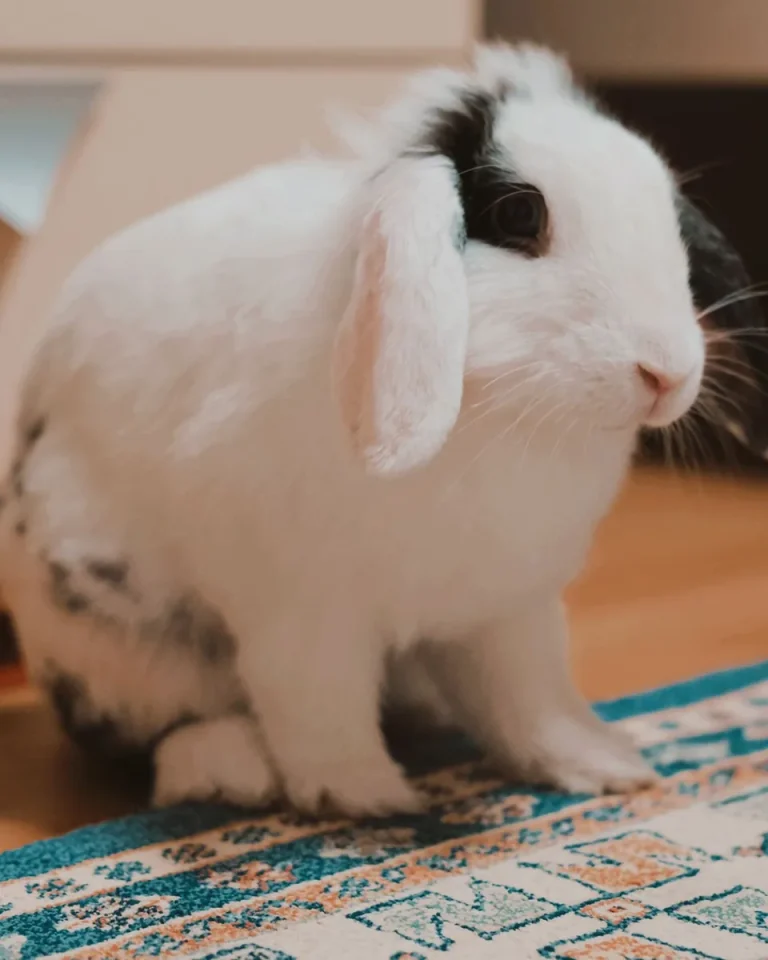
Holland Lop
Weight Up to 4 lb
Coat Short, dense normal fur
Small
Holland Lop
Weight Up to 4 lb
Coat Short, dense normal fur
 Small
Lionhead
Weight Up to 3.75 lb
Coat Wool mane around the head
Small
Lionhead
Weight Up to 3.75 lb
Coat Wool mane around the head
 Small to medium
Dutch
Weight Up to 5.5 lb
Coat Short, normal fur
Small to medium
Dutch
Weight Up to 5.5 lb
Coat Short, normal fur
 Giant
Flemish Giant
Weight Often over 20 lb
Coat Short, normal fur
Giant
Flemish Giant
Weight Often over 20 lb
Coat Short, normal fur
Weights are the maximum show weights listed by the American Rabbit Breeders Association. Individual rabbits vary, and temperament depends on the individual rabbit and how it was raised — not just its breed.
Breeding is a commitment to every kit you produce. These steps follow a typical litter, with the doe’s welfare at the centre — and links to the guides that go deeper.
Timings are typical ranges, not guarantees. Contact a rabbit-savvy vet if a doe seems unwell, stops eating or goes well past her expected date.
Plan homes for every kit, budget for vet care and make sure both rabbits are healthy and mature.
Browse breeding guidesQuiet, draught-free housing with space for a nest box and a calm routine.
Read the guideEverything else is counted from here. Our timeline planner works out the key dates.
Breeding Timeline PlannerClean, dry bedding the doe can arrange, placed a few days before kindling is expected.
Read the guideMost does kindle quietly, often at night. Check the nest calmly and count kits.
Read the guideWatch feeding, warmth and the doe’s appetite. Know the signs that mean calling a vet.
Warning signsWhat to look for, what to avoid, and how to match equipment to your rabbits. Each guide links to options on Amazon — clearly labelled.
A complete buyer guide to rabbit exercise pens (playpens) — choosing the right height, size and panel count,…
Good for: Active house rabbits
How to choose the best indoor rabbit cage — why bigger is always better, the best enclosure styles,…
Good for: Indoor home base
Choose the best rabbit litter box and litter-train your bunny fast — box types, size and shape, safe…
Good for: House rabbits
Why every rabbit needs a hideout — how hidey houses lower stress and build confidence, the safe chewable…
Good for: Shy & new rabbits
Build the perfect rabbit grooming kit — the right soft brushes and combs, how to handle shedding season,…
Good for: All coat types
The best rabbit chew toys for healthy teeth and a happy bunny — safe natural materials, what to…
Good for: All rabbits
Our buying guides are research-based: we compare published specifications and welfare criteria rather than claiming hands-on testing. Amazon links are affiliate links — as an Amazon Associate I earn from qualifying purchases.
A complete off-grid homestead rabbit system — power-free housing, feeding from your land, gravity and rainwater watering, breeding for a…
A movable pasture housing system for homestead rabbits — how a rabbit tractor works, why it mows and fertilizes as…
The complete free-roam house rabbit system — how to know your bunny is ready, set up a home base, rabbit-proof…
A complete small-space rabbit setup for apartments and condos — a roomy pen, smart vertical layout, litter training, and daily…
A vet visit, a house move, or a holiday — sometimes your rabbit has to travel, and that can feel…
"How long do rabbits live?" It is one of the first things loving owners want to know — and the…
Short answers to the questions new keepers and breeders ask most.
Educational guidance only. For health, diagnosis or treatment, please consult a rabbit-savvy veterinarian.
Rabbit gestation is usually around 31 to 33 days. Individual does vary, so treat it as a planning window rather than a guarantee, and contact a rabbit-savvy vet if a doe seems unwell or goes well past her expected date.
Many breeders add the nest box around day 27 to 29 after mating — a few days before kindling is expected — with clean, dry bedding the doe can arrange. Our Breeding Timeline Planner estimates these dates for you. This is general husbandry guidance, not veterinary advice.
Calm, medium-sized breeds with easy-care short coats are often recommended for first-time keepers. Temperament depends heavily on the individual rabbit and how it was raised, so meet the rabbit first. See our breed directory and beginner breed guide for details.
Both can work. Colonies give more space and social contact but need more predator planning, observation and disease management. Individual housing makes records and health checks easier but needs extra exercise time and enrichment. Our Colony vs Cage Planner walks through the trade-offs.
No. Breed Rabbits is an educational resource. For diagnosis, treatment or any health concern, please consult a rabbit-savvy veterinarian.
Breed Rabbits is an independent educational site. Here is exactly how our guides and recommendations are put together.
Our buying guides compare published specifications and welfare criteria. We say so when something has not been tested hands-on.
How we researchSpace, ventilation, safe flooring, enrichment and responsible breeding come before convenience or commission.
Editorial standardsAmazon links are labelled, look different from our own links and never decide what we recommend.
Affiliate disclosureWe share general husbandry information. For diagnosis or treatment, please see a rabbit-savvy veterinarian.
Health disclaimerSpotted an error or have a question about a guide? Email [email protected] — corrections are always welcome.