The Rabbit Tractor System
A movable pasture housing system for homestead rabbits — how a rabbit tractor works, why it mows and fertilizes as it goes, how to build one, and how to run it safely with proper predator protection.
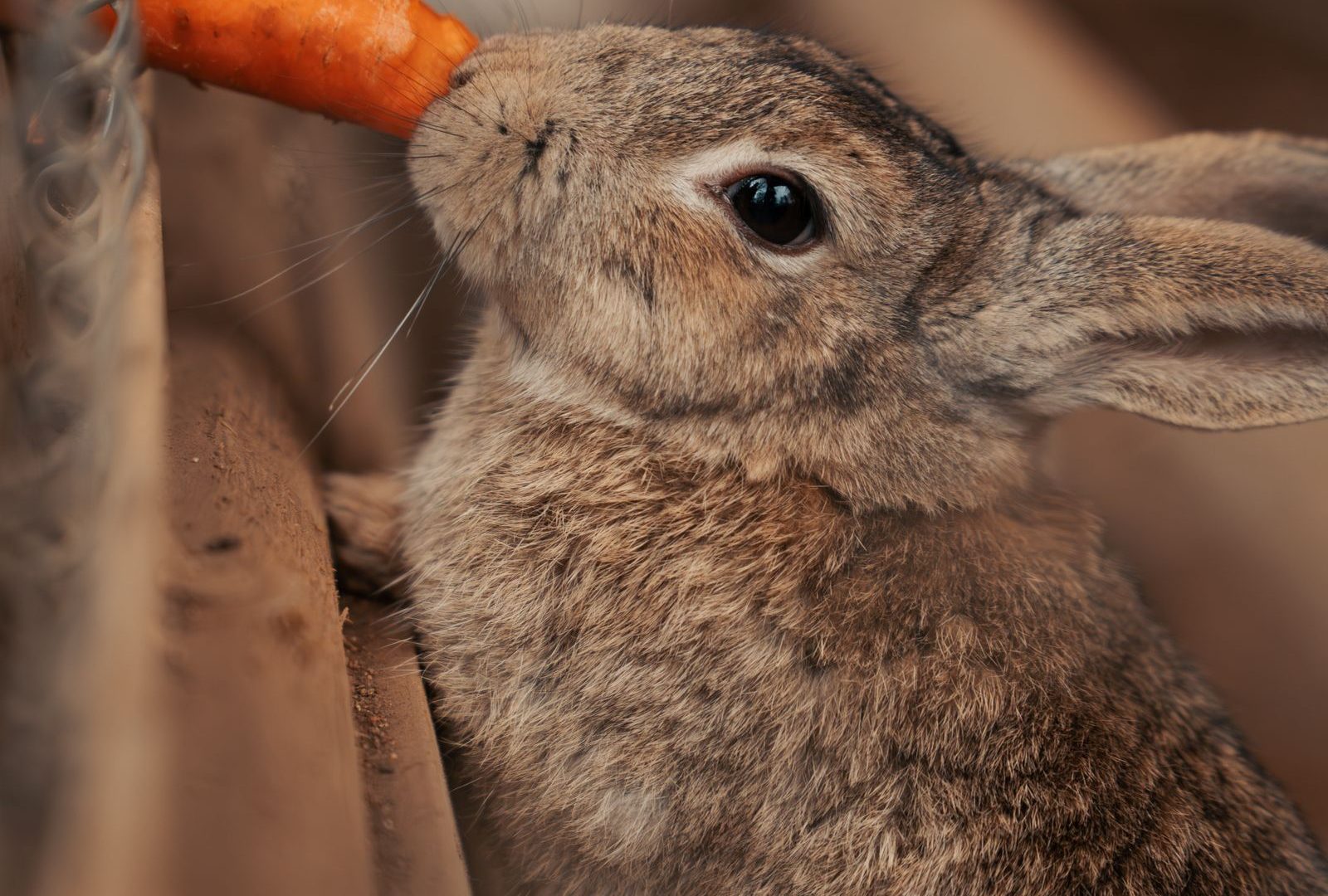
Want your rabbits to graze fresh grass, express natural behavior, and fertilize your lawn — all while staying safe? A rabbit tractor makes it happen. It is one of the most rewarding homestead rabbit systems around.
This is a complete guide to the rabbit tractor system: what it is, why homesteaders love it, how to build or choose one, and how to run it safely with proper predator protection. Give your rabbits a taste of pasture life the smart way. 🌱🐰
A rabbit tractor is a movable, bottomless pen that sits directly on the grass. You slide it to fresh ground each day, so your rabbits always have clean pasture to graze, room to hop, and natural stimulation — while a predator-proof frame keeps them safe. Here is the full system.
What Is a Rabbit Tractor?
A rabbit tractor is a movable, floorless enclosure that sits on the ground and is slid to fresh grass regularly — usually daily. The name borrows from the “chicken tractor” idea: the animals do the mowing and fertilizing while staying safely contained.
How it works: the tractor has secure mesh sides and top and an open (or wire-protected) bottom so rabbits can nibble the grass beneath them. Each day you move it to a fresh patch, giving your rabbits clean forage and spreading their droppings across the ground as natural fertilizer.
Why it is special: a tractor blends the freedom of grazing with the safety of an enclosure. Rabbits get to graze, dig a little, and behave naturally, while staying protected from predators and unable to wander off. For homesteaders, it turns rabbits into gentle, self-fertilizing lawn managers.
A rabbit tractor lets your rabbits mow and fertilize your pasture while staying safe. It is grazing freedom and predator protection in one movable package.
Why Use a Rabbit Tractor System?
Homesteaders and backyard keepers love tractors for good reason. Here is what makes them so appealing.
- Fresh grass daily. Rabbits get clean, natural forage that supplements their hay.
- Natural behavior. Grazing, hopping, and light digging keep rabbits stimulated and content.
- Free fertilizer. Droppings enrich your lawn or garden as the tractor moves.
- Gentle lawn mowing. Rabbits nibble the grass down naturally as they graze.
- Predator safety. A solid frame protects rabbits that would be vulnerable roaming loose.
- Lower feed costs. Fresh grazing can reduce (though not replace) purchased food.
Building or Choosing a Rabbit Tractor
Whether you build your own or buy a movable hutch, look for these key features to keep rabbits safe and comfortable.
| Feature | Why it matters |
|---|---|
| Lightweight but sturdy frame | Easy to move daily yet predator-resistant |
| Half-inch hardware cloth | Stops reaching and digging predators |
| Secure top cover | Blocks hawks and climbing predators |
| Shaded/enclosed section | Shelter from sun, wind, and rain |
| Skirt or wire floor edge | Prevents rabbits digging out or predators in |
| Easy-lift handles | Makes daily moves quick and simple |
Movable Outdoor Rabbit Hutch
Pasture grazing, made safe. A sturdy, movable outdoor hutch or run gives your rabbits fresh grass and fresh air while keeping predators out — the heart of a working tractor system.
- Predator-resistant build with secure wire and latches
- Open or wire bottom so rabbits can graze the grass beneath
- Sheltered section for shade and protection from weather
- Move-friendly design for sliding to fresh ground each day
As an Amazon Associate we earn from qualifying purchases. Affiliate links never decide what we recommend.
How to Use a Rabbit Tractor Safely
The system only works well with a consistent daily routine. Follow these steps to keep rabbits healthy and the pasture thriving.
- Move it daily to fresh grass. This gives clean forage and prevents droppings and parasites building up in one spot.
- Provide shade and shelter. Always include a covered section — rabbits overheat easily in the sun.
- Keep hay and water inside. Grass is a supplement; unlimited hay and clean water stay essential.
- Check the ground first. Move it to safe, non-toxic, pesticide-free grass, avoiding wet, boggy patches.
- Do a daily headcount and health check. Confirm every rabbit is present, safe, and well each day.
Predator and Safety Considerations
A tractor sits on open ground, so predator protection is critical. These safeguards keep your rabbits safe day and night.
- Secure top and sides. Half-inch hardware cloth all around stops reaching and climbing predators.
- Guard the bottom edge. A wire skirt or floor edge prevents rabbits digging out and predators digging in.
- Weigh it down. Ensure the tractor cannot be flipped or nosed under by a determined animal.
- Consider night housing. In high-predator areas, move rabbits to a fully secure hutch overnight.
- Check daily for weak spots. Inspect wire, latches, and edges every time you move it.
What About Grass and Diet?
Fresh grass is healthy and natural for rabbits — but sudden access to lots of it can upset a sensitive gut. Introduce grazing carefully.
Go slow at first: if your rabbits are not used to fresh grass, start with short grazing sessions and build up over a week or two. This lets their digestive systems adjust and prevents soft stool or upset.
Keep hay central: grass and hay are not the same. Fresh grass is a wonderful supplement, but unlimited dried hay remains the core of a rabbit’s diet for fiber and dental health. Always provide it inside the tractor.
Tractor vs Hutch vs Colony
Here is how the tractor system compares to other outdoor setups, so you can choose what fits your homestead.
| Factor | Rabbit tractor | Fixed hutch | Ground colony |
|---|---|---|---|
| Fresh grazing | Excellent (daily) | None | Good (fixed area) |
| Labor | Daily moves | Low | High |
| Predator safety | Good (if built well) | Best | Demanding |
| Lawn benefit | Mows & fertilizes | None | Wears one spot |
| Best for | Pasture homesteads | Simplicity & safety | Space & enrichment |
A tractor is the sweet spot between a fixed hutch and a full colony: grazing freedom and lawn benefits, with predator safety and easy daily management.
Seasonal and Weather Notes
A tractor is a daytime, fair-weather grazing tool for much of the year. Adjust with the seasons to keep rabbits comfortable.
- Summer: prioritize shade and water — rabbits overheat fast. Graze in cooler morning and evening hours.
- Winter: grass growth stops and cold is a risk; many keepers pause tractor use and switch to a sheltered hutch.
- Wet weather: avoid boggy, muddy ground, which chills rabbits and breeds parasites.
- All seasons: always include a dry, sheltered section within the tractor.
Common Rabbit Tractor Mistakes (and Fixes)
Pro Tips for the Tractor System
- Map your moves. Rotate the tractor across your yard so no patch is overgrazed or over-fertilized.
- Introduce grass slowly. Build up grazing time over a week or two to protect sensitive guts.
- Add wheels or handles. They make the daily move quick and save your back.
- Keep it light but strong. Balance easy moving with a frame predators cannot breach.
- Pair with a night hutch. Daytime grazing plus a secure overnight hutch is the safest combination.
Real-Life Example: The Self-Mowing Rabbits
A story shared often in homestead groups: a keeper wants their rabbits to enjoy fresh grass but worries about predators and escapes. Experienced homesteaders point them to the tractor system: build a movable, hardware-cloth run with a shaded section, move it to fresh grass daily, and keep hay and water inside.
Soon the keeper is delighted — their rabbits graze happily, the lawn is neatly nibbled and naturally fertilized, and everyone stays safe. The daily move becomes a pleasant routine. This is a favorite setup across the homestead community: the rabbit tractor turns bunnies into safe, self-mowing, self-fertilizing pasture helpers, giving them a rich, natural life without the risks of roaming loose.
Frequently Asked Questions
What is a rabbit tractor?
A movable, floorless enclosure that sits on grass and is slid to fresh ground regularly, letting rabbits graze safely while fertilizing and mowing your lawn.
How often should I move a rabbit tractor?
Daily. Moving it to fresh grass each day gives clean forage and breaks the parasite cycle by keeping rabbits off soiled ground.
Can rabbits live in a tractor full time?
Many do in mild weather with a sheltered section, but in high-predator areas or harsh conditions it is safest to house them in a secure hutch overnight and graze by day.
Is grass safe for rabbits to eat?
Yes, fresh living grass is healthy — but introduce it slowly and never feed lawn clippings, which ferment and cause gut upset. Keep hay as the core diet.
How do I keep predators out of a rabbit tractor?
Use half-inch hardware cloth on all sides and top, add a wire skirt at the base, weigh it down so it cannot be flipped, and move rabbits to a secure hutch on high-risk nights.
Your Rabbit Tractor System Checklist ✅
- Movable frame with half-inch hardware cloth all around
- Secure top and a dig-proof base edge
- Shaded, sheltered section inside
- Unlimited hay and clean water provided
- Moved to fresh, pesticide-free grass daily
- Grazing introduced gradually
- Daily headcount and health check
- Secure overnight hutch in high-predator areas
The rabbit tractor system gives your rabbits the best of both worlds: the joy of grazing fresh pasture and the safety of a solid enclosure — while your lawn gets mowed and fertilized for free. Build it strong, move it daily, keep hay inside, and mind the predators. Your homestead and your rabbits will both thrive. 🐇🌾
Keep exploring: lock down predator safety with our predator-aware rabbitry guide, compare group housing in our colony vs cage guide, and size shelter right with our hutch sizing guide.
Related buying guides
What to look for before you buy. These guides contain clearly labelled Amazon affiliate links.
Related guides
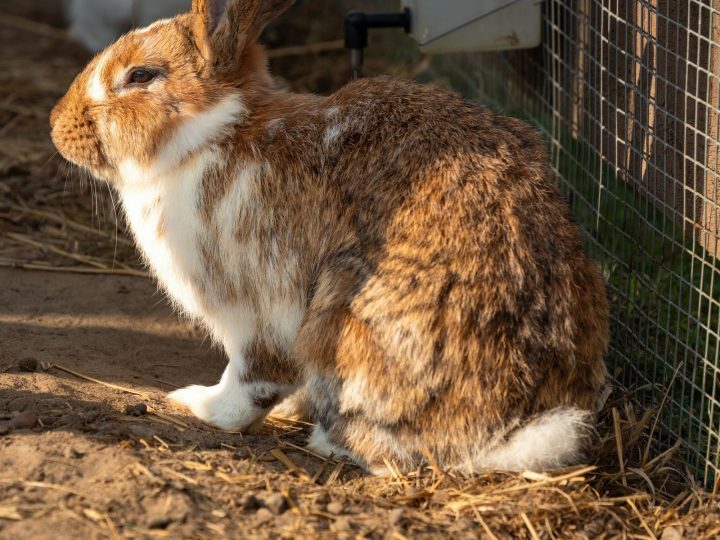
Predator-aware outdoor rabbitry
Hardware cloth, raised floors, latches, lighting, and night routines for cold-climate and rural sites.
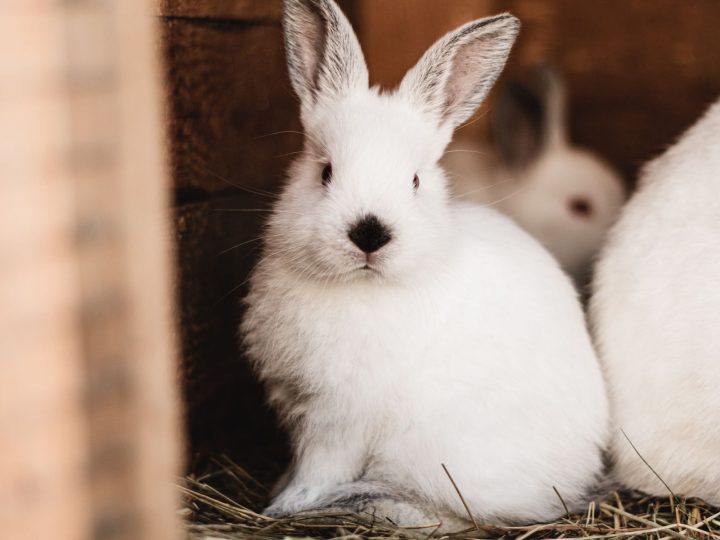
Outdoor Wood Hutch System
A predator-aware wooden hutch layout with raised floors and cross-ventilation. Wins on winter performance and cleaning…
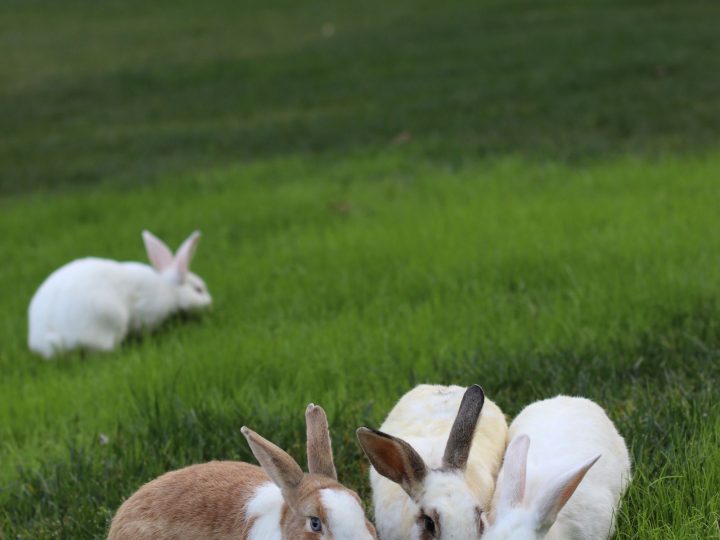
Colony Ground System
Group-housed system with multiple nesting boxes, tunnels, and a separation pen. Highest enrichment, highest labor.