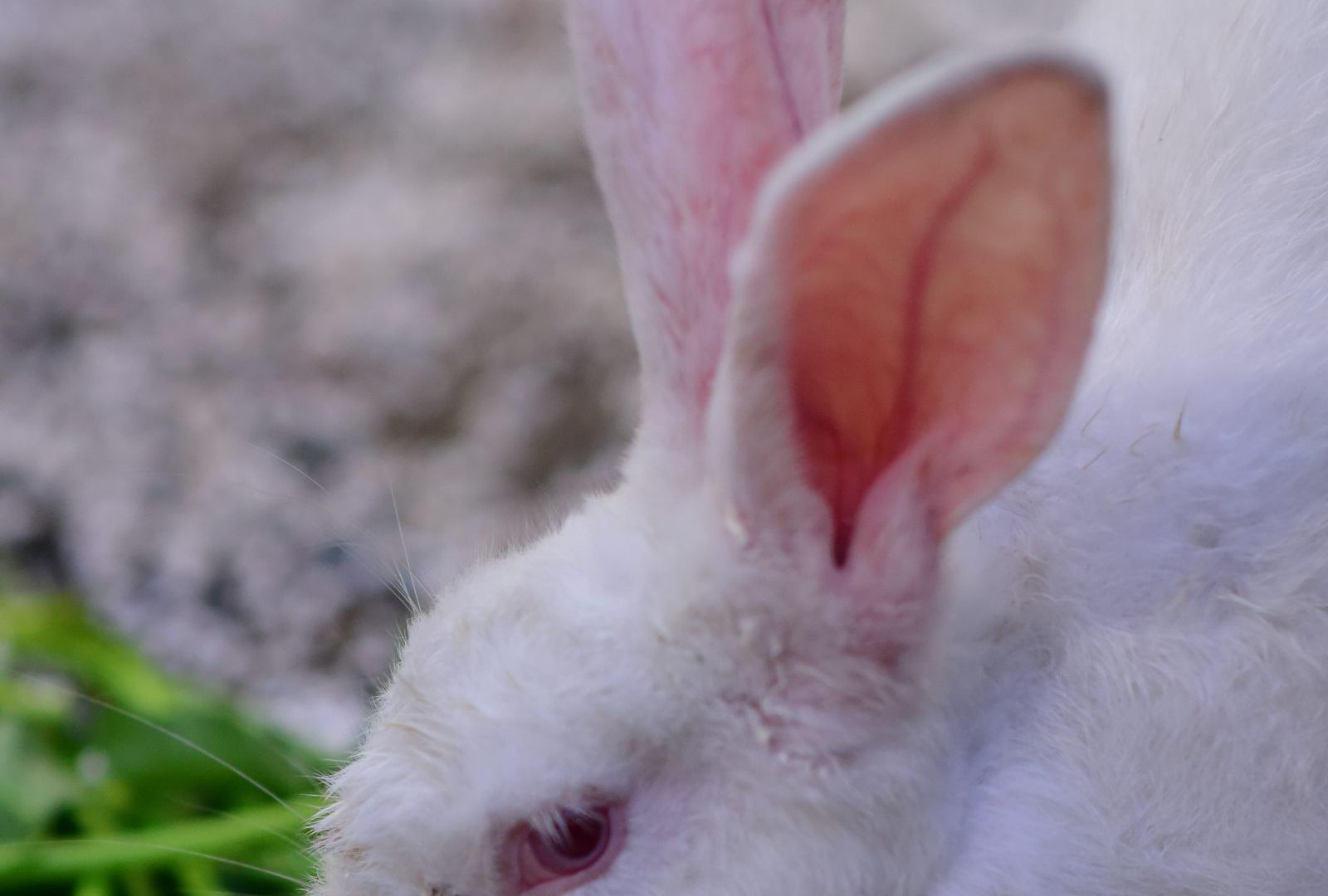
Here is the scariest thing about rabbits: they hide illness until they are very sick. By the time a rabbit looks obviously unwell, it may already be an emergency. That is why every owner needs to know the early warning signs.
The good news? With a simple daily check and a few key signals, you can catch problems early — when help works best. In this guide you will learn the top warning signs of a sick rabbit, the number-one emergency to watch for, what healthy poop and pee look like, and exactly when to rush to the vet. Knowledge here can truly save your bunny’s life. 🐰❤
Rabbits are prey animals. In the wild, showing weakness makes them a target, so they instinctively mask pain and illness. This survival trick is dangerous for pets, because it means small changes are big clues. Learning to spot them is one of the most important skills a rabbit owner can have.
Why Rabbits Hide Illness (and Why It Is Dangerous)
A rabbit will act normal for as long as it possibly can, even when it feels awful. Hiding weakness kept its wild ancestors alive, but for a pet it means you may not notice a problem until it is advanced. This is why rabbit illness so often seems to appear “suddenly” — when really the signs were subtle and easy to miss.
Why early detection is everything: many rabbit health problems, especially gut issues, get worse fast. A rabbit that stops eating can go from “a bit quiet” to a life-threatening emergency in under 24 hours. Catching the first small change buys precious time and dramatically improves the outcome.
How to beat the hiding instinct: the answer is routine. When you know your rabbit’s normal appetite, energy, and droppings, any change stands out immediately. A daily habit of observation is your single best tool for spotting illness before it becomes critical.
With rabbits, a small change is a big warning. Because they hide sickness so well, the tiny signs you almost overlook are often the most important.
The Number-One Emergency: GI Stasis
If you learn only one rabbit emergency, make it this one. GI stasis is when a rabbit’s gut slows down or stops, and it is the most common life-threatening problem rabbit owners face.
What it looks like: the rabbit stops eating, stops pooping (or droppings get tiny and few), sits hunched, and grinds its teeth in pain. It can be triggered by stress, pain, a bad diet, dehydration, or another illness.
Why it is so urgent: a rabbit’s digestive system must keep moving constantly. When it stops, gas and bacteria build up, causing pain that makes the rabbit eat even less — a dangerous downward spiral. Untreated, GI stasis can become fatal within a day or two.
Top Warning Signs of a Sick Rabbit
Watch for these changes from your rabbit’s normal behavior. One sign is worth noting; several together mean act quickly.
| Warning sign | What it may mean |
|---|---|
| Not eating or drinking | GI stasis, dental pain, illness — urgent |
| No droppings or tiny droppings | Gut slowdown — urgent |
| Sitting hunched, pressing belly down | Pain, often gut or gas |
| Loud tooth grinding | Significant pain |
| Runny nose, sneezing, watery eyes | Respiratory infection |
| Head tilt or loss of balance | Ear or neurological issue — urgent |
| Drooling or wet chin | Dental disease |
| Sudden lethargy or hiding | General illness or pain |
Your Daily Rabbit Health Check
A quick daily check takes under a minute and catches most problems early. Make it part of feeding time.
- Watch it eat. Confirm your rabbit is eating hay and greens with its normal enthusiasm.
- Check the litter box. Look for plenty of normal, round droppings and normal urine.
- Look at the face. Eyes bright and clear, nose clean and dry, no drooling.
- Check energy and posture. Is your rabbit moving, curious, and sitting normally — not hunched?
- Feel the body weekly. A gentle weigh-in and body check catch slow weight loss early.
Rabbit Recovery Food (Critical Care)
A must-have for your rabbit emergency kit. A powdered herbivore recovery food mixes into a syringe-feedable paste to keep a rabbit’s gut moving when it will not eat — a lifeline while you get to the vet.
- High-fiber formula designed to support a rabbit’s delicate digestion
- Syringe-feedable to help a rabbit that has stopped eating on its own
- Vet-recommended staple for GI stasis and post-illness recovery
- Long shelf life — keep it on hand before you ever need it
As an Amazon Associate we earn from qualifying purchases. Always use recovery food under veterinary guidance.
Rabbit Poop and Pee: What Is Normal vs Not
Your rabbit’s droppings are a daily health report. Learning to read them helps you catch gut problems fast.
| ✅ Normal | ⚠️ Concerning |
|---|---|
| Round, dry, plentiful droppings | Tiny, few, or no droppings |
| Droppings all a similar size | Misshapen or strung together with fur |
| Occasional soft “night” droppings (eaten) | Ongoing diarrhea or mushy stool |
| Yellow to brown urine | Red-tinged (rarely serious) or thick, sludgy urine |
| Normal daily amount | Straining or crying while urinating |
A sudden drop in the number or size of droppings is one of the earliest signs of gut trouble — often before the rabbit even looks unwell. Check the litter box every day.
When It Is an Emergency: Call the Vet Now
Some signs mean you should not wait until morning. Contact a rabbit-savvy vet immediately if your rabbit shows any of these:
- Not eating or pooping for 12 hours or more.
- Sitting hunched and grinding teeth in obvious pain.
- Difficulty breathing or a bluish tinge to the lips.
- Sudden head tilt, seizures, or collapse.
- A maggot-infested or wet, soiled rear (flystrike) — a warm-weather emergency.
- Bloated, hard belly or severe lethargy.
Building a Rabbit First-Aid Kit
Having a few basics ready lets you act fast in an emergency while you contact your vet. A simple kit includes:
- Syringes for feeding recovery food or giving water.
- Recovery food (herbivore critical-care powder) for a rabbit that will not eat.
- A digital scale to track weight and spot changes.
- Styptic powder for minor nail bleeds.
- A soft towel for safe handling and warmth.
- Your vet’s number and the nearest emergency exotic clinic.
The best time to build a rabbit first-aid kit is before you need it. In a gut-stasis emergency, having recovery food and a vet number ready can make all the difference.
Common Mistakes (and Fixes)
Pro Tips From Experienced Keepers
- Weigh weekly. Slow weight loss is often the first measurable sign of illness.
- Feel for warmth. A rabbit that feels cold and is not eating may be crashing — act fast.
- Keep hay central. Unlimited hay and water prevent many gut problems in the first place.
- Note the last poop. If droppings stop, you will know exactly how long it has been.
- Reduce stress. Stress alone can trigger gut stasis, so keep your rabbit’s life calm and predictable.
Real-Life Example: The Quiet Bunny
A story shared often in rabbit groups: an owner notices their normally bouncy rabbit is a little quiet and has left its breakfast hay. The litter box has fewer droppings than usual. Unsure, they ask online. Experienced keepers respond with urgency: a rabbit that stops eating is an emergency — call a rabbit vet now, do not wait.
The owner rushes in, the vet diagnoses early GI stasis, and with prompt treatment the rabbit recovers fully. Later, the owner realizes how close it was — another few hours might have been too late. This exact scenario plays out constantly in the rabbit community, and the message is always the same: with rabbits, act early and act fast. The quiet, off-its-food bunny is the one that needs you most.
Frequently Asked Questions
How do I know if my rabbit is sick?
Watch for loss of appetite, few or no droppings, hunching, tooth grinding, runny nose, head tilt, or sudden lethargy. Because rabbits hide illness, any change from normal is worth taking seriously.
My rabbit stopped eating — what should I do?
Treat it as an emergency and contact a rabbit-savvy vet immediately. A rabbit that will not eat can develop life-threatening GI stasis within hours.
What does healthy rabbit poop look like?
Round, dry, plentiful droppings that are all a similar size. Tiny, few, or absent droppings signal a slowing gut and need urgent attention.
How often should I check my rabbit’s health?
Do a quick check every day at feeding time — appetite, droppings, face, and energy — plus a weekly weigh-in and body feel.
Do rabbits need a special vet?
Yes. Rabbits are exotic pets, so you need a rabbit-savvy or exotic vet. Find one and save their emergency number before you ever need it.
Your Rabbit Health-Check Checklist ✅
- Rabbit eating hay and greens normally
- Plenty of normal, round droppings in the litter box
- Bright eyes, clean dry nose, no drooling
- Normal energy and posture — not hunched or hiding
- Weekly weigh-in to catch slow changes
- Rabbit-savvy vet number saved and ready
- First-aid kit with recovery food and syringes
- Know that “not eating” always means call the vet
You cannot stop your rabbit from hiding illness — but you can learn to read the tiny signs it cannot hide. A daily check, a watchful eye on the litter box, and a rabbit vet on speed dial are the greatest protections you can give your bunny. When something seems off, trust your gut and act early. It could save a life. 🐇💛
Keep exploring: prevent gut trouble with our complete diet guide, read subtle mood clues with our body language guide, and keep hydration up with our watering guide.
Related buying guides
What to look for before you buy. These guides contain clearly labelled Amazon affiliate links.
Related guides

Traveling With a Rabbit: Carrier Guide
A vet visit, a house move, or a holiday — sometimes your rabbit has to travel,…
How Long Do Rabbits Live? Lifespan Guide
"How long do rabbits live?" It is one of the first things loving owners want to…

How to Trim Rabbit Nails Safely
Nervous about cutting your rabbit’s nails? You are in very good company. The fear of cutting…