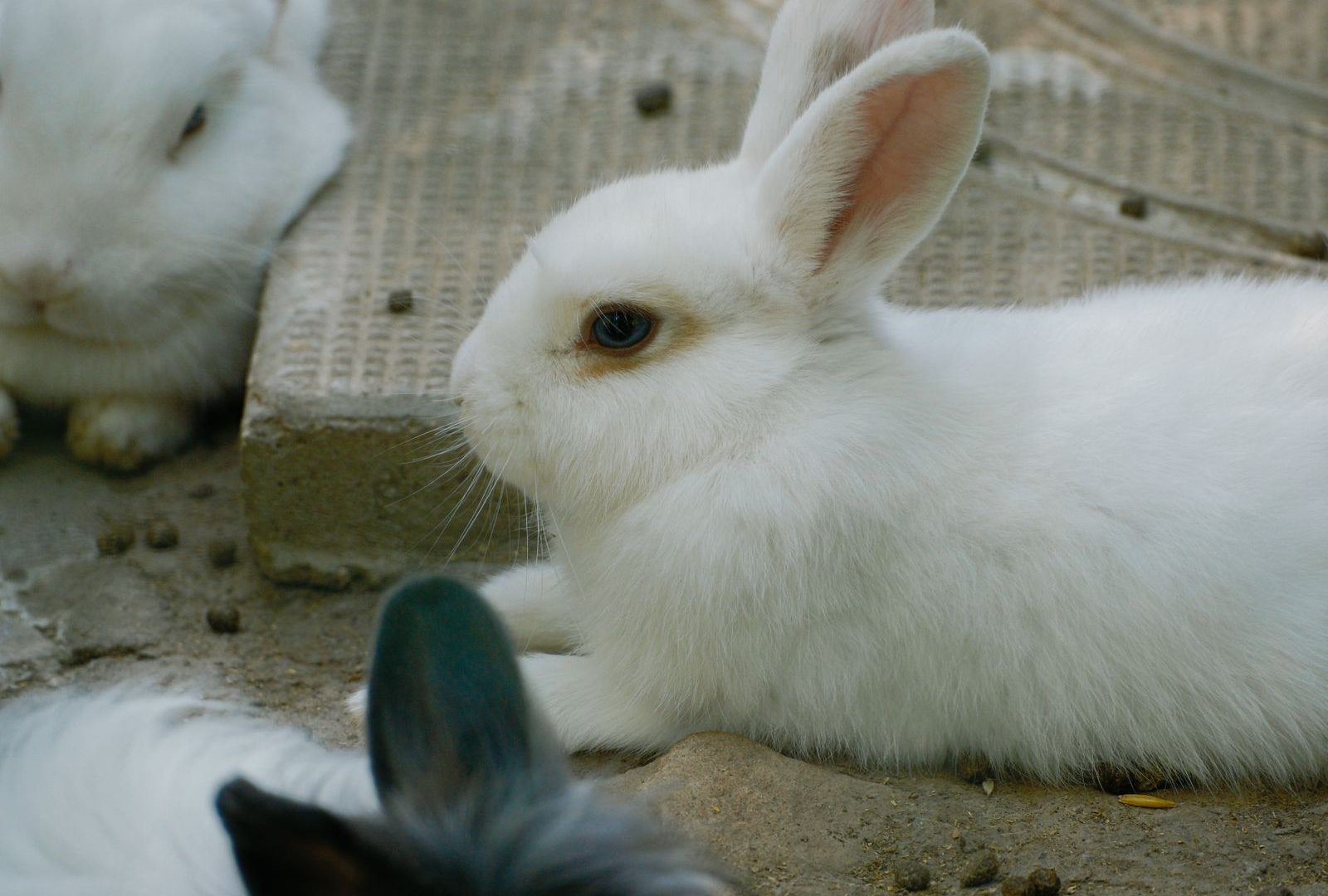
Here is something every rabbit owner must know: rabbits handle cold far better than heat. A warm summer day that feels pleasant to you can be life-threatening to your bunny in just a few hours.
The scary part is how fast it happens. The good news? Heatstroke is almost always preventable. In this guide you will learn the warning signs, ten simple ways to keep your rabbit cool, what to do in an emergency, and the exact safe temperature range. Let us keep your bunny calm, comfortable, and safe all summer long. ☀️🐰
Rabbits cannot sweat, and they cannot pant well like dogs. Their main way to lose heat is through their big ears. That is a weak cooling system, which is why a hot hutch can turn dangerous quickly. Understanding this one fact changes how you care for your rabbit in summer.
What you will learn
Why Heat Is So Dangerous for Rabbits
Rabbits can suffer heatstroke at temperatures that feel mild to us. They are built for cool burrows, wearing a fur coat they cannot take off. Without sweat glands, they rely on blood flow through their ears to shed heat — and on a hot, still day that is simply not enough.
Why it happens so fast: when the air gets hot, a rabbit’s body temperature climbs. Overweight rabbits, long-haired breeds, older bunnies, and babies are at even higher risk. A hutch in direct sun can become an oven in under an hour, and by the time a rabbit looks distressed, the situation is already an emergency.
The real-world danger zone: trouble often starts around 80°F (27°C) and becomes serious above 85°F (29°C). Humidity makes it worse because it blocks what little cooling the rabbit can manage. This is why summer prep is not optional — it is a core part of responsible rabbit care.
If you are warm in a t-shirt, your rabbit — in a permanent fur coat — is already too hot. Plan cooling before the heat arrives, not during it.
Warning Signs of Heatstroke in Rabbits
Knowing these signs can save your rabbit’s life. Heatstroke moves through stages, so catching the early signals gives you time to act.
| Stage | Signs to watch for | What to do |
|---|---|---|
| Early (too warm) | Stretching out flat, ears hot to the touch, drinking more, restless | Cool the area now, offer water |
| Moderate | Fast/shallow breathing, wet nose, drooling, sluggish, red ears | Start active cooling, call a vet |
| Severe (emergency) | Panting, lying on side, weakness, tremors, convulsions, unresponsive | Emergency cooling + vet immediately |
10 Proven Ways to Keep Your Rabbit Cool
You do not need expensive gear to keep a rabbit safe in summer. These simple, proven methods work whether your bunny lives indoors or outside.
- Move them into the shade. Never let a hutch sit in direct sun. Deep, constant shade is the single most important step.
- Freeze water bottles. Fill plastic bottles, freeze them, and place one in the hutch. Your rabbit will lie against it to cool down.
- Lay down a cooling mat or ceramic tile. A chilled ceramic or marble tile gives a cool surface to stretch out on.
- Boost airflow. Improve ventilation and use a fan — but point it near the hutch, never blasting directly on your rabbit.
- Mist the ears. Gently dab cool (not cold) water on the ears with a damp cloth. Ears are where rabbits release heat.
- Offer extra water and wet greens. Add a second water bowl and serve washed, damp leafy greens for hydration.
- Bring them indoors on extreme days. On a heat-wave day, a cool room or basement is the safest place to be.
- Groom out extra fur. Loose fur traps heat. Regular brushing in summer helps, especially for long-haired breeds.
- Add frozen treats. A few frozen berries or an ice cube in the water bowl encourages drinking.
- Check on them often. During hot spells, look in every couple of hours. Early action prevents emergencies.
Best Cooling Products Compared
A few well-chosen items make summer care much easier. Here is how the most popular options stack up.
| Product | How it helps | Best for |
|---|---|---|
| Ceramic/marble cooling mat | Cool surface to lie on, no power needed | Every rabbit, all setups |
| Frozen water bottles | Portable cold spot to snuggle | Outdoor hutches |
| Clip-on fan | Moves air, aids ventilation | Sheds & indoor pens |
| Sun-shade / hutch cover | Blocks direct sun | Outdoor rabbits |
Pet Cooling Mat for Rabbits
A simple lifesaver on hot days. A pressure-activated or ceramic cooling mat gives your rabbit a cool place to stretch out — no electricity, no water, no fuss. Just lay it in a shady spot and let your bunny do the rest.
- Self-cooling — works without power, ice, or refrigeration
- Non-toxic and chew-resistant materials made with pets in mind
- Wipe-clean surface for quick, easy hygiene
- Lightweight and portable — move it between hutch, pen, and indoors
As an Amazon Associate we earn from qualifying purchases. Affiliate links never decide what we recommend.
Safe Temperature Range for Rabbits
Rabbits are most comfortable in cool conditions. Use this quick chart to judge the risk on any given day.
| Temperature | Risk level | Action |
|---|---|---|
| 50–68°F (10–20°C) | ✅ Ideal | Comfortable; normal care |
| 68–77°F (20–25°C) | 🙂 Fine | Provide shade and water |
| 77–85°F (25–29°C) | ⚠️ Caution | Active cooling; watch closely |
| 85°F+ (29°C+) | 🔴 Danger | Move indoors; risk of heatstroke |
Emergency: What to Do If Your Rabbit Overheats
If your rabbit shows severe signs — panting, weakness, or collapse — act fast but stay calm. Cool gradually; a sudden ice bath can cause dangerous shock.
- Move to a cool, shaded, airy place right away.
- Dampen the ears and feet with cool (not icy) water using a cloth.
- Offer water but never force it into the mouth.
- Set up gentle airflow from a fan nearby.
- Call a rabbit-savvy vet immediately — even a rabbit that seems to recover needs a check, as organ damage can follow.
Indoor vs Outdoor Rabbits in Summer
Where your rabbit lives changes your summer plan. Here is how to protect each setup.
| Factor | Indoor rabbits | Outdoor rabbits |
|---|---|---|
| Main risk | Stuffy rooms, no airflow | Direct sun, hot hutch |
| Best cooling | Fan, cool tile, shaded room | Deep shade, frozen bottles, cover |
| Heat-wave plan | Move to coolest room/basement | Bring indoors temporarily |
| Check frequency | A few times a day | Every 1–2 hours |
The safest outdoor rabbit in a heat wave is a temporarily indoor rabbit. When in doubt, bring them in.
Common Summer Mistakes (and Fixes)
Pro Tips From Experienced Keepers
- Prep before the forecast. Set up shade and freeze bottles the night before a hot day.
- Cool the ears first. Ears are the rabbit’s radiator — a damp cloth there works fastest.
- Feed greens in the morning. Wet, cool greens early add hydration during the hottest hours.
- Watch the vulnerable ones. Old, young, overweight, and long-haired rabbits need extra attention.
- Keep a thermometer by the hutch. Guessing the temperature is risky; measuring it is simple.
Real-Life Example: A Close Call Turned Lesson
A story that circulates every summer in rabbit groups: an owner finds their bunny lying flat and breathing fast on a hot afternoon. Panicked, they ask for help online. Experienced keepers respond fast: move to shade, dab cool water on the ears, add airflow, and call a vet.
The rabbit pulls through — and the owner shares a heartfelt warning for others: a hutch that was fine in spring became dangerous the first hot week of summer. The takeaway is simple but vital. Heat sneaks up on new owners because rabbits hide discomfort until they are in real trouble. Prepare early, watch closely, and you will never have that scare.
Summer rabbit care is 90% prevention. Shade, water, airflow, and frequent checks stop almost every emergency before it starts.
Frequently Asked Questions
What temperature is too hot for rabbits?
Risk rises above 80°F (27°C) and becomes serious above 85°F (29°C). Rabbits are happiest between 50 and 68°F (10–20°C).
How do I know if my rabbit is too hot?
Watch for hot ears, stretching out flat, fast breathing, drooling, and lethargy. Panting or collapse is a severe emergency.
Can I put ice in my rabbit’s water?
Yes, a couple of ice cubes in the water bowl are fine and can encourage drinking. Just do not use ice-cold water directly on an overheating rabbit.
Do rabbits need a fan in summer?
Airflow helps a lot, but aim the fan near the rabbit, not directly on it, and make sure cords are safely out of reach of chewing.
Are outdoor rabbits safe in summer?
They can be, with deep shade, frozen bottles, extra water, and frequent checks. On extreme heat-wave days, bring them indoors to be safe.
Your Summer Rabbit Safety Checklist ✅
- Hutch in deep, all-day shade — never direct sun
- Frozen water bottles ready and rotating
- Cooling mat or ceramic tile in place
- Good airflow, with a fan aimed nearby (not on the rabbit)
- Two water sources, refreshed often
- Extra grooming to remove loose fur
- Thermometer by the hutch, checked daily
- Heat-wave plan ready to move your rabbit indoors
Summer does not have to be scary. With shade, water, airflow, and a watchful eye, your rabbit can stay cool and content even on the hottest days. A little preparation is all it takes to keep your bunny safe. ☀️🐇
Keep exploring: improve airflow with our ventilation guide, size the home right with our hutch sizing guide, and keep hydration easy with our complete diet guide.
Related buying guides
What to look for before you buy. These guides contain clearly labelled Amazon affiliate links.
Related guides
Traveling With a Rabbit: Carrier Guide
A vet visit, a house move, or a holiday — sometimes your rabbit has to travel,…
How Long Do Rabbits Live? Lifespan Guide
"How long do rabbits live?" It is one of the first things loving owners want to…
How to Trim Rabbit Nails Safely
Nervous about cutting your rabbit’s nails? You are in very good company. The fear of cutting…