Best Healthy Rabbit Treats
The best healthy treats for rabbits — safe natural snacks bunnies love, fruit and veg in moderation, the dangerous treats to avoid (yogurt drops, seed sticks), how much is safe, and using treats to bond.
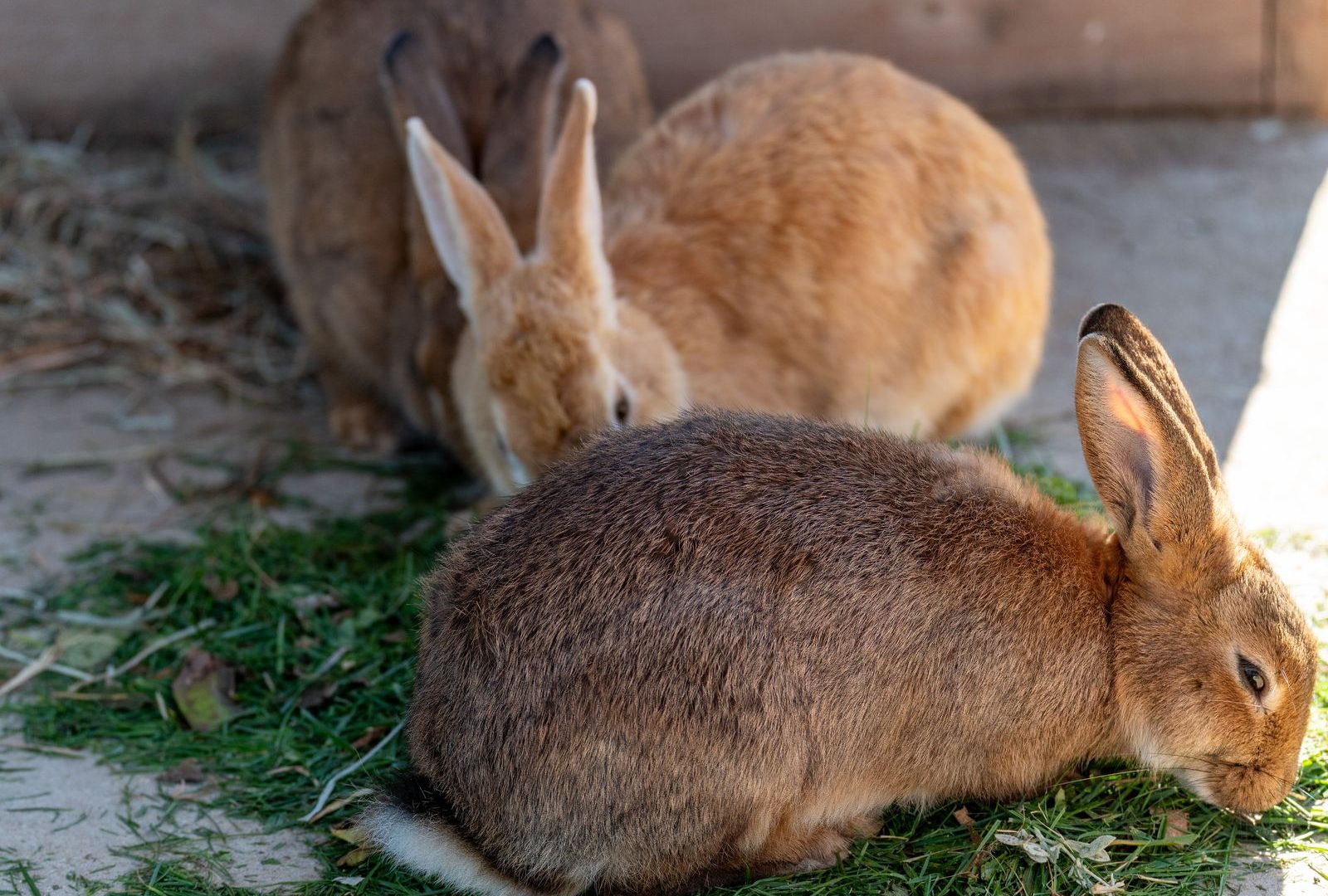
Treats are one of the best ways to bond with your rabbit — but the wrong ones can make them seriously ill. Those colorful yogurt drops and seed sticks in the pet aisle? Rabbits should never eat them.
This guide covers the best healthy rabbit treats: the safe, natural snacks bunnies love, the dangerous ones to avoid, and how to treat without upsetting your rabbit’s sensitive digestion. Treat right, and snack time becomes a healthy bonding ritual. 🥕🐰
Rabbits have delicate digestive systems built for grass and fiber, not sugar and fat. The good news: the healthiest treats are simple, natural, and inexpensive — and rabbits adore them. Here is how to treat your bunny safely.
The Golden Rules of Treating
Treats should be natural, tiny, and occasional — a supplement to a hay-based diet, never a replacement for it. Get the philosophy right and everything else follows.
Natural over processed: the safest treats are simply pieces of rabbit-appropriate plants — a sprig of herb, a slice of veg, a bit of fruit. Commercial “rabbit treats” are often loaded with sugar, dairy, and grains that harm rabbit digestion.
Small and occasional: a rabbit’s gut is easily upset by rich food, so treats must be tiny and infrequent. The bulk of the diet stays hay, with treats as a small, special extra. Follow that, and treats stay a joy rather than a health risk.
The best rabbit treats are natural, tiny, and occasional. If it is bright, sugary, or dairy-based, it does not belong anywhere near your rabbit.
The Best Healthy Treats
These natural treats are safe, loved, and gentle on rabbit digestion.
- Fresh herbs. Cilantro, basil, parsley, mint, and dill are favorites — healthy and aromatic.
- Leafy greens. Small amounts of romaine, spring greens, and other safe leaves make great everyday treats.
- Timothy-based treats. Hay-based treats and pressed grass snacks are safe and satisfying.
- Dried herbs and flowers. Dried chamomile, dandelion, and marigold are natural, healthy nibbles.
- A little forage. Safe plants like dandelion greens delight rabbits and add variety.
Fruit and Veg: Delicious but Occasional
Fruit and certain vegetables are wonderful treats — in tiny amounts, because of their sugar.
- Small fruit pieces. A thumbnail-sized bit of apple (no seeds), banana, or berry is a beloved rare treat.
- Carrot — the surprise. Despite the stereotype, carrots are high-sugar; offer only a small slice occasionally.
- Bell pepper and other veg. Small pieces of certain veggies add variety and vitamins.
- Introduce slowly. Add any new treat gradually and watch for soft droppings.
Natural Herb & Hay Rabbit Treats
Safe snacking your bunny will love. A natural treat mix of dried herbs, flowers, and pressed timothy hay gives your rabbit a healthy, low-sugar snack to enjoy and bond over — free from the sugar, dairy, and grains that harm rabbit digestion.
- All-natural herbs, flowers & hay
- No added sugar, dairy, or seeds
- Low-calorie for guilt-free bonding treats
- Encourages foraging and healthy nibbling
As an Amazon Associate we earn from qualifying purchases. Affiliate links never decide what we recommend.
Dangerous Treats to Avoid
Many products marketed for rabbits are actually harmful. Never feed these.
- Yogurt drops. Dairy and sugar — rabbits cannot digest dairy; these are a top offender.
- Seed and nut sticks. High-fat, high-carb “treat sticks” can cause serious digestive upset.
- Bread, crackers, cereal. Grains and starches are bad for a rabbit’s fiber-based gut.
- Chocolate and any candy. Toxic to rabbits — never offer human sweets.
- Anything sugary or processed. If it is made for people or looks like candy, keep it away.
How Much Is Safe?
With treats, less is truly more. A little goes a long way for a small animal.
| Treat type | Safe amount | Frequency |
|---|---|---|
| Fresh herbs | A sprig or two | Daily is fine |
| Leafy greens | A small handful | Most days |
| Fruit | Thumbnail-sized piece | A couple times a week |
| Carrot/sugary veg | A small slice | Occasional |
| Commercial natural treats | A tiny amount | Occasional |
Using Treats to Bond
Beyond nutrition, treats are a powerful tool for building trust with your rabbit.
- Hand-feed a herb. Offering a treat from your hand builds trust with a shy rabbit.
- Reward good behavior. A tiny treat helps with litter training and gentle handling.
- Use for enrichment. Hide a treat in a toy or forage mat to encourage natural foraging.
- Keep sessions positive. Let your rabbit approach for the treat rather than forcing contact.
- Stay consistent. Regular gentle treat moments deepen your bond over time.
Common Treat Mistakes (and Fixes)
Pro Tips for Healthy Treating
- Grow a herb pot. A windowsill of cilantro or basil gives endless fresh, healthy treats.
- Rotate variety. Different herbs and greens keep treat time interesting.
- Treat for training. Tiny rewards make litter training and handling easier.
- Read labels. Choose commercial treats with only natural, rabbit-safe ingredients.
- Keep hay central. No treat should ever crowd out unlimited hay.
Real-Life Example: Ditching the Yogurt Drops
A story rabbit owners often share: eager to spoil a new bunny, an owner buys colorful yogurt drops and seed sticks from the pet store — and the rabbit soon has soft droppings and a reduced appetite for hay. A rescue volunteer explains that those treats are sugary and dairy-laden, and suggests fresh herbs instead.
Switching to a daily sprig of cilantro and the occasional berry, the owner watches the rabbit’s digestion settle and its enthusiasm for treat time soar — now hand-fed and healthy. The lesson experienced keepers repeat: natural treats in tiny amounts are all a rabbit needs. The best snacks are simple, and they double as the perfect way to bond.
Frequently Asked Questions
What are the healthiest treats for rabbits?
Fresh herbs (cilantro, basil, parsley, mint), small amounts of leafy greens, hay-based treats, and dried herbs and flowers. These are natural, low-sugar, and loved by rabbits.
Can rabbits eat carrots?
Only occasionally and in small amounts. Despite the stereotype, carrots are high in sugar, so a small slice now and then is a treat — not a staple food.
Are yogurt drops bad for rabbits?
Yes. Rabbits cannot digest dairy, and yogurt drops are high in sugar. Along with seed and nut sticks, they are among the worst treats and should be avoided entirely.
How often can I give my rabbit treats?
Herbs and greens can be daily in small amounts; fruit and sugary veg only a couple of times a week in tiny pieces. Always keep treats small and hay as the main diet.
Can I use treats to train my rabbit?
Absolutely. Tiny natural treats are excellent for bonding, litter training, and rewarding gentle handling. Hand-feeding a herb is a great way to build trust.
Your Healthy Treat Checklist ✅
- Natural treats only — herbs, greens, hay-based snacks
- Fruit and carrot given tiny and occasional
- No yogurt drops, seed sticks, or human snacks
- New treats introduced slowly, watching droppings
- Treats kept small and infrequent
- Hay remains the foundation of the diet
- Commercial treats checked for safe ingredients
- Treats used for gentle bonding and training
Treating your rabbit is one of the joys of bunny ownership — and done right, it is completely healthy. Stick to natural herbs, greens, and hay-based snacks, keep fruit and carrots as rare treats, skip the sugary pet-store products, and always keep hay central. Simple, natural, and tiny is the recipe for a happy, healthy, well-bonded bunny. 🥕🐇
Keep exploring: build the full diet around our best timothy hay guide and the complete rabbit diet guide.
Related guides
Can Rabbits Eat That? Safe Foods List
"Can rabbits eat this?" It is the question every owner types into Google, treat in hand,…
Rabbit Water: Bowl vs Bottle
Worried your rabbit is not drinking enough? You are right to pay attention. Water is one…
What Do Rabbits Eat? Complete Diet Guide
Feeding a rabbit sounds simple — until you Google it and get 20 different answers. One…