Best Rabbit Harnesses & Leashes
How to safely harness and leash a rabbit for supervised outdoor time — the safe harness styles (and the dangerous ones to avoid), getting the fit right, a gentle step-by-step introduction, and outdoor safety rules.
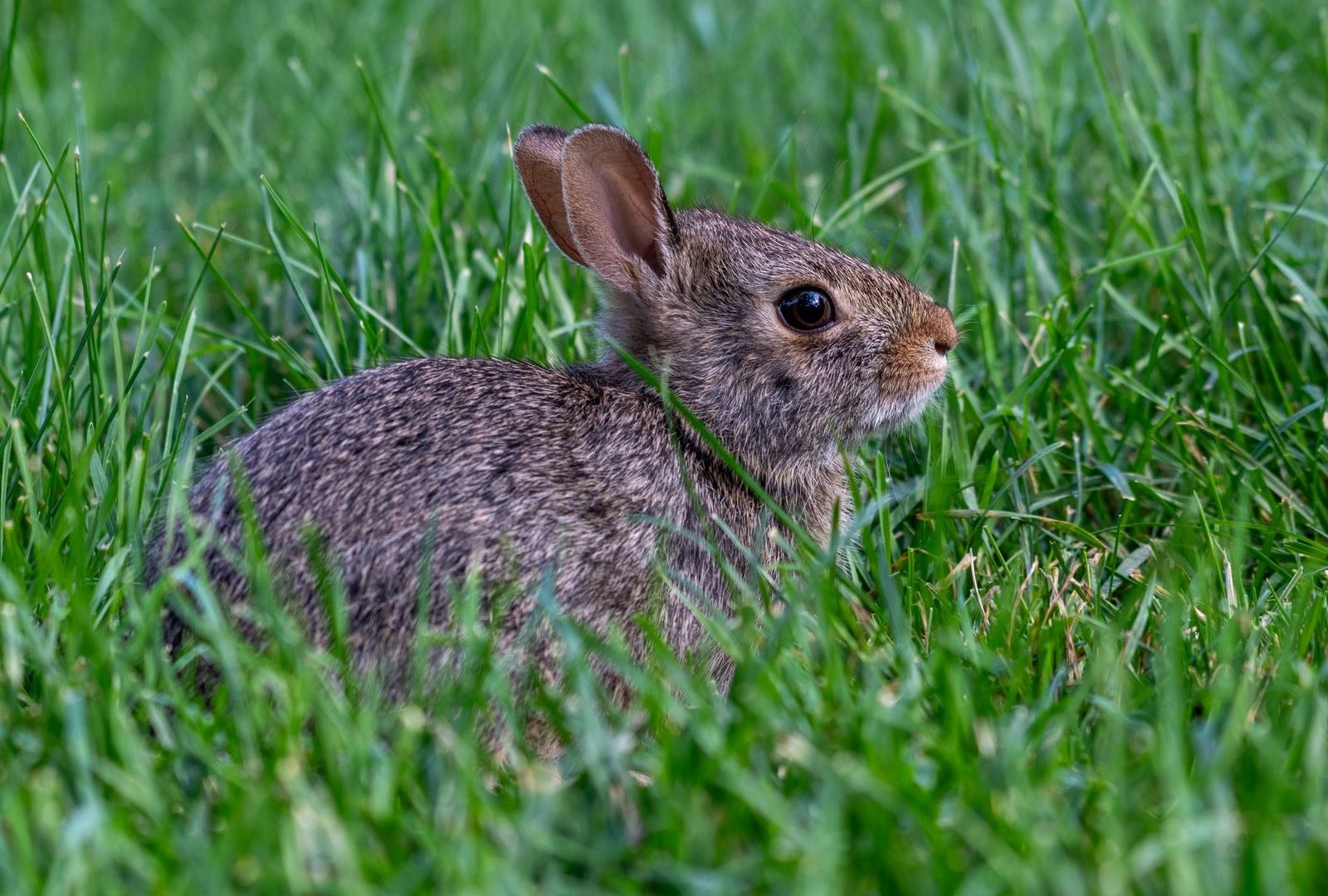
The idea of walking your rabbit outdoors on a leash is charming — but done wrong, it can be dangerous. With the right harness and a gentle approach, though, supervised outdoor time can be safe and enriching.
This guide covers the best rabbit harnesses and leashes: the safe styles (and the risky ones to avoid), how to introduce them without stress, and the ground rules that keep outdoor adventures happy and secure. 🌿🐰
Rabbits are not dogs — you do not “walk” them so much as let them graze and explore while you follow, tether in hand, as a safety line. Get the harness right and the introduction slow, and a little supervised outdoor time can be lovely. Rush it, and it can injure or terrify your rabbit. Here is how to do it safely.
Should You Harness Your Rabbit?
A harness is a safety tether for supervised grazing — not a tool for walking a rabbit like a dog. Used correctly, it lets a calm rabbit enjoy fresh grass and sunshine with a security line in your hand.
The right expectation: rabbits explore at their own pace, nibbling and sniffing, then dashing in bursts. You follow them; you never pull or lead. The leash is there only to prevent a bolt into danger, not to steer.
Not for every rabbit: confident, relaxed rabbits may enjoy it; nervous ones may find it terrifying. There is no obligation to harness-train — many happy rabbits get their outdoor time in a secure pen instead. Know your rabbit and never force it.
You do not walk a rabbit — you follow one. The harness is a safety line for supervised grazing, and it is optional, not essential.
Safe Harness Types
The style of harness matters enormously for a rabbit’s delicate body.
- H-style harnesses. Straps form an “H” around the neck and chest, spreading pressure safely.
- Vest or jacket harnesses. A soft fabric vest distributes force over a wide area — gentle and secure.
- Adjustable, well-fitted designs. Multiple adjustment points let you get a snug, escape-proof fit.
- Lightweight materials. Soft, breathable fabric that will not weigh a small rabbit down.
Harnesses to Avoid
Some harness and leash styles are genuinely dangerous for rabbits. Skip these entirely.
- Collars of any kind. A rabbit that bolts can injure its fragile neck or spine on a collar — never use one.
- Thin cord or string leashes. These concentrate force and can cut or injure.
- Ill-fitting or rigid harnesses. Too loose and they escape; too stiff and they hurt.
- Retractable leashes. The sudden jerk of a retractable can injure a small rabbit.
Adjustable Vest Rabbit Harness & Leash
Gentle, secure outdoor safety. A soft, adjustable vest-style harness with a matching leash spreads pressure safely across your rabbit’s body — giving a calm bunny the freedom to graze and explore outdoors with a reassuring safety line in your hand.
- Soft vest design that spreads force gently
- Adjustable straps for a snug, escape-proof fit
- Lightweight fabric comfortable for small rabbits
- Matching leash as a safety tether, not a lead
As an Amazon Associate we earn from qualifying purchases. Affiliate links never decide what we recommend.
Getting the Fit Right
A correctly fitted harness is snug enough to prevent escape but never tight or restrictive.
- Two-finger rule. You should be able to slip two fingers under the straps — snug, not tight.
- No escape gaps. Rabbits are contortionists; a loose harness will be wriggled out of instantly.
- Check freedom of movement. Your rabbit should hop and stretch normally with it on.
- Re-check each time. Adjust the fit before every outing as it can shift.
Introducing the Harness Gently
The introduction is where most harness attempts succeed or fail. Go slow.
- Let them investigate it. Leave the harness near your rabbit so it becomes familiar and unthreatening.
- Try it on indoors, briefly. Put it on for a minute or two inside, with treats, then remove it.
- Build up over days. Slowly extend the time worn indoors until your rabbit is relaxed.
- Add the leash indoors. Let them drag it around a safe room before any outdoor use.
- Only then, go outside. Move to a quiet, secure outdoor spot once your rabbit is fully comfortable.
Safe Outdoor Rules
Outdoors, a rabbit faces real hazards. These rules keep supervised time safe.
| Rule | Why it matters |
|---|---|
| Never leave unattended | Predators and escapes happen in seconds |
| Choose a quiet, enclosed area | Reduces panic and bolting |
| Avoid treated lawns | Pesticides and fertilizers are toxic |
| Watch the weather | Rabbits overheat fast in sun and heat |
| Follow, never pull | Let the rabbit set the pace and direction |
| Keep it short | A little outdoor time goes a long way |
Common Harness Mistakes (and Fixes)
Pro Tips for Happy Outdoor Time
- Go at their pace. Let your rabbit graze and explore; you are the follower.
- Bring familiar comforts. A favorite hideout nearby helps a rabbit feel secure outside.
- Pick cool, calm times. Morning or evening avoids midday heat and stress.
- Keep sessions brief. Short, positive outings beat long, tiring ones.
- Have a pen as plan B. A secure exercise pen offers outdoor time without any harness stress.
Real-Life Example: A Calm Bunny in the Garden
A story rabbit owners share: eager to take their bunny outside, an owner clips on a harness for the first time in the open garden — and the startled rabbit thrashes and tries to bolt. Realizing the approach was too fast, they restart: leaving the harness out to sniff, trying it on indoors with treats for a minute at a time, then longer, then adding the leash inside.
Weeks later, in a quiet enclosed corner of the garden on a cool evening, the same rabbit calmly grazes and hops about with the leash trailing safely in the owner’s hand. The lesson experienced keepers repeat: slow indoor introduction is everything, and a secure pen is a perfectly good alternative. Patience turned a frightening idea into a gentle, enriching ritual.
Frequently Asked Questions
Can you walk a rabbit on a leash?
Not like a dog. A harness is a safety tether for supervised grazing — you follow your rabbit as it explores, never pulling or leading. It suits calm rabbits and is always optional.
What kind of harness is safe for a rabbit?
A soft, adjustable H-style or vest harness that spreads pressure across the body. Never use a collar, thin cord, or retractable leash, which can injure a rabbit’s delicate neck.
How should a rabbit harness fit?
Snug to the two-finger rule — tight enough that your rabbit cannot wriggle free, but loose enough to hop and stretch normally. Re-check the fit before every outing.
How do I get my rabbit used to a harness?
Very gradually: let them sniff it, try it on indoors briefly with treats, build up the time worn, add the leash indoors, and only go outside once your rabbit is fully relaxed.
Is a harness safe outdoors?
Only with constant supervision in a quiet, enclosed, pesticide-free area. A leash does not protect against predators or heat, so never leave your rabbit unattended — a secure pen is a safe alternative.
Your Rabbit Harness Checklist ✅
- Soft H-style or vest harness — never a collar
- Snug fit to the two-finger rule, checked each outing
- Introduced gradually indoors with treats first
- Leash used only to follow, never to pull
- Quiet, enclosed, pesticide-free outdoor area
- Cool time of day and short sessions
- Constant supervision — never left alone
- A secure pen ready as a stress-free alternative
With the right vest harness, a patient introduction, and strict safety rules, a calm rabbit can enjoy the grass and sunshine on a supervised outing. Never use a collar, never pull, never leave them alone — and remember a secure pen is an equally happy option. Go slow, stay close, and let your bunny lead the way. 🌿🐇
Keep exploring: get safe outdoor time without a harness using the best rabbit exercise pens, and beat the heat with our rabbit cooling products guide.
Related guides

The Rabbit Tractor System
A movable pasture housing system for homestead rabbits — how a rabbit tractor works, why it…
Predator-aware outdoor rabbitry
Hardware cloth, raised floors, latches, lighting, and night routines for cold-climate and rural sites.
Outdoor Wood Hutch System
A predator-aware wooden hutch layout with raised floors and cross-ventilation. Wins on winter performance and cleaning…