Best Rabbit Cooling Products for Summer
Keep your rabbit safe in summer heat — why rabbits overheat so easily, the best cooling mats, frozen bottles, shade and ventilation, extra cooling tricks, and how to recognize the warning signs of heatstroke.
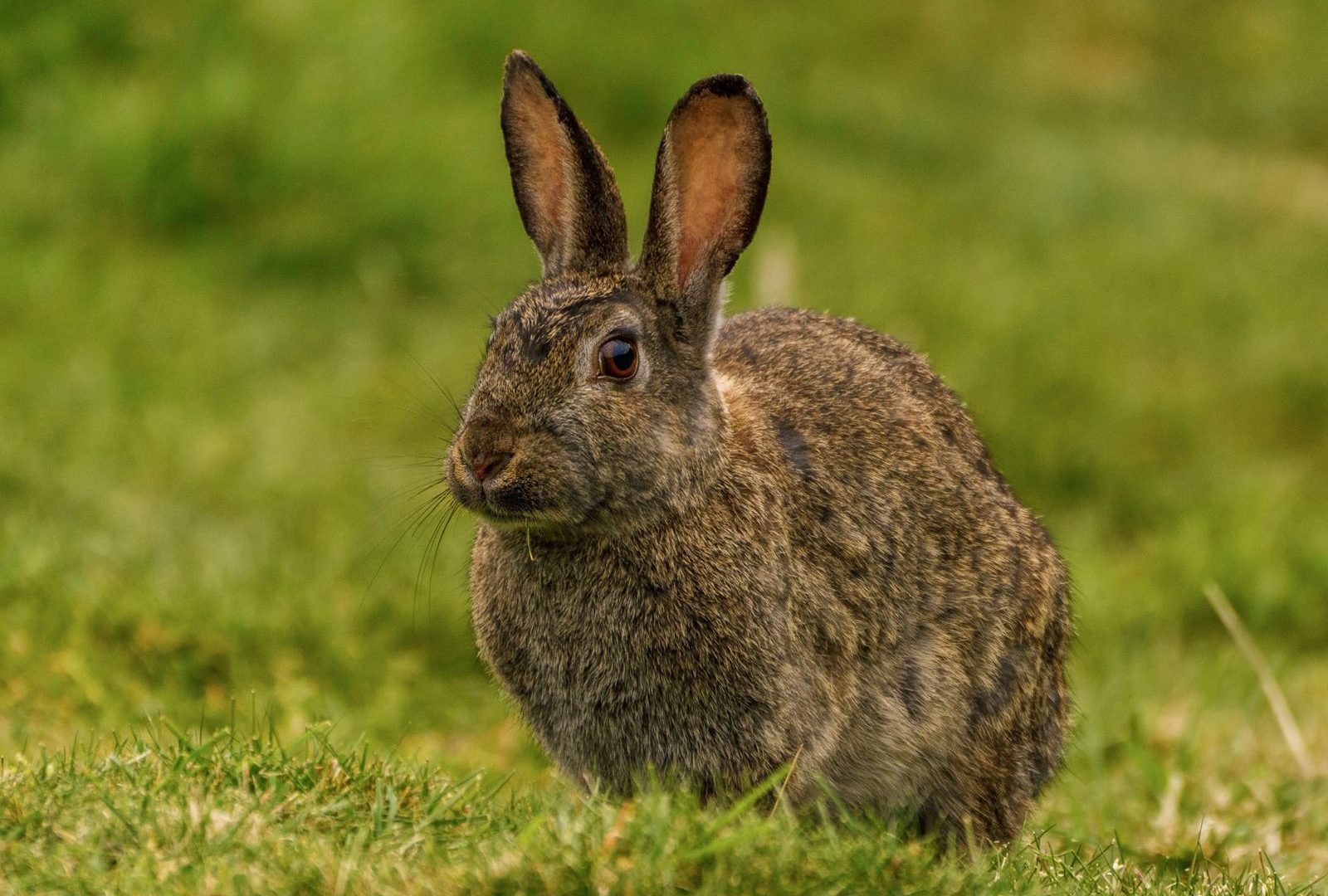
Rabbits handle cold far better than heat — and summer can be genuinely life-threatening for them. Heatstroke comes on fast, but the right cooling products make it easy to prevent.
This guide covers the best rabbit cooling products: cooling mats, frozen bottles, shade and ventilation, and the warning signs of overheating. Keep your bunny cool, and you keep them safe through the hottest days of the year. ❄️🐰
With their thick fur and inability to sweat, rabbits struggle to shed heat. Temperatures many people find merely warm can push a rabbit toward dangerous overheating. A few simple cooling tools — and knowing the warning signs — make all the difference. Here is how to keep your rabbit safe all summer.
Why Heat Is So Dangerous for Rabbits
Rabbits are built for cold, not heat — they cannot sweat and shed excess warmth only through their ears. That makes them highly prone to heatstroke, which can be fatal.
Why they overheat: a thick fur coat and no sweat glands leave rabbits few ways to cool down. On a hot day, their body temperature can climb dangerously fast, especially for overweight, long-haired, or older rabbits.
How fast it happens: heatstroke can develop within minutes in a hot hutch or a warm room with poor airflow. Because it escalates so quickly and is often fatal, prevention with cooling tools is far safer than trying to treat an emergency. Vigilance in summer is essential.
Rabbits survive winter far better than summer. They cannot sweat — so on a hot day, cooling is not a comfort, it is a lifeline.
Cooling Mats
A pet cooling mat is one of the easiest ways to give your rabbit a cool spot to lie on.
- Self-cooling gel or stone. Gel pads and ceramic/marble tiles draw heat away as your rabbit rests on them.
- No power needed. Most cooling mats work without electricity — ideal for hutches and off-grid setups.
- Chew-aware choices. For chewers, a solid ceramic or marble tile is safer than a puncturable gel pad.
- Easy to place. Set one in the shadiest part of the enclosure so your rabbit can choose to use it.
Pet Cooling Mat for Rabbits
A cool spot on the hottest days. A self-cooling pet mat gives your rabbit a refreshing surface to lie on with no electricity or refrigeration needed — a simple, effective way to help prevent dangerous summer overheating.
- Self-cooling — no power or water required
- Draws heat away as your rabbit rests
- Durable, wipe-clean surface
- Great in hutches and indoor pens alike
As an Amazon Associate we earn from qualifying purchases. Affiliate links never decide what we recommend.
Frozen Bottles and Ice
One of the most popular and effective rabbit-cooling tricks costs almost nothing.
- Frozen water bottles. Freeze a bottle of water and place it in the enclosure — your rabbit will lie against it to cool down.
- Wrap if needed. A thin towel around the bottle prevents damp fur while still cooling.
- Rotate through the day. Keep spares in the freezer and swap them as they thaw.
- Add ice to water. A few ice cubes keep drinking water cool and encourage hydration.
Shade and Ventilation
Cooling tools work best alongside good basics: shade and airflow are your first line of defense.
- Deep, constant shade. Ensure the enclosure is fully shaded, especially through the midday sun.
- Move hutches out of the sun. Relocate outdoor housing to a shaded, cooler spot in summer.
- Maximize airflow. Good ventilation (or a fan nearby, not blowing directly) helps heat escape.
- Cool indoor rooms. Indoors, keep rabbits in the coolest part of the home away from sunny windows.
More Cooling Tricks
A few extra techniques help on the hottest days.
- Mist the ears gently. Lightly dampening the ears (where rabbits release heat) helps them cool.
- Offer cool, watery greens. Chilled leafy greens add hydration and a cool treat.
- Groom out excess fur. Removing loose coat during a molt helps heat escape.
- Set up damp towels. A cool, damp towel over part of a hutch (with airflow) lowers the temperature.
- Check often on hot days. Frequent checks catch early overheating before it becomes serious.
Recognizing Heatstroke
Know the warning signs so you can act fast if your rabbit overheats.
| Sign | What it looks like | Urgency |
|---|---|---|
| Fast, shallow breathing | Panting, rapid breaths | Early warning |
| Hot ears, red flushing | Ears very warm to the touch | Early warning |
| Lethargy, weakness | Flopped, unresponsive | Serious |
| Drooling / wet nose | Salivating, moisture around mouth | Serious |
| Convulsions / collapse | Seizure-like, unconscious | Emergency — vet now |
Common Summer Mistakes (and Fixes)
Pro Tips for a Cool, Safe Summer
- Prepare before the heat. Have frozen bottles and a cooling mat ready before the first hot day.
- Watch vulnerable rabbits. Overweight, long-haired, and senior rabbits need extra care.
- Keep water cold and plentiful. Hydration is a key defense against heat.
- Use a thermometer. Knowing the enclosure temperature removes the guesswork.
- Bring outdoor rabbits in. On extreme days, move rabbits to the coolest indoor space.
Real-Life Example: Beating a Heatwave
A story that plays out every summer: a heatwave hits, and an owner notices their outdoor rabbit breathing fast with hot ears — early heatstroke. They quickly move the hutch into deep shade, add a chilled ceramic tile and a towel-wrapped frozen bottle, improve the airflow, and lightly mist the rabbit’s ears.
The rabbit settles against the cool bottle and recovers. Going forward, the owner keeps frozen bottles rotating from the freezer, a cooling mat down, and water iced through every hot spell. The lesson experienced keepers repeat: rabbits are far more at risk from heat than cold, so prepare cooling tools before summer arrives. A little preparation turns a dangerous heatwave into a manageable, safe one.
Frequently Asked Questions
What temperature is too hot for a rabbit?
Rabbits are comfortable in cooler conditions and start to struggle as it gets warm; hot summer temperatures can quickly become dangerous. Overweight, long-haired, and older rabbits overheat fastest, so provide cooling well before it feels hot to you.
How can I keep my rabbit cool without electricity?
Use frozen water bottles, a self-cooling mat or chilled ceramic tile, deep shade, good airflow, iced drinking water, and lightly misted ears — none of which need power.
Do cooling mats work for rabbits?
Yes. Self-cooling gel mats and ceramic or marble tiles give rabbits a cool surface to lie on and help prevent overheating. Choose solid tiles for rabbits that chew.
What are the signs of heatstroke in rabbits?
Fast, shallow breathing, very hot ears, lethargy, drooling, and in severe cases convulsions or collapse. Serious signs are a medical emergency — cool gradually and call a vet immediately.
Can I put ice in my rabbit’s water?
Yes, a few ice cubes keep drinking water cool and encourage hydration on hot days. Never submerge a hot rabbit in cold water, though — cool them gradually instead.
Your Rabbit Summer-Cooling Checklist ✅
- Enclosure in deep, constant shade
- Self-cooling mat or chilled ceramic tile down
- Frozen water bottles rotating from the freezer
- Good ventilation and airflow
- Cool, iced drinking water always available
- Extra care for heavy, long-haired, or senior rabbits
- Knowing the signs of heatstroke
- An emergency vet contact ready for hot spells
Summer is the season rabbits need us most. With shade, a cooling mat, frozen bottles, good airflow, and a watchful eye for heatstroke, you can keep your bunny safe through even the hottest days. Prepare your cooling kit before the heat arrives — because with rabbits, prevention truly is everything. ❄️🐇
Keep exploring: master hot-weather care in our complete diet guide, and give calm outdoor time with the best rabbit exercise pens.
Related guides
The Rabbit Tractor System
A movable pasture housing system for homestead rabbits — how a rabbit tractor works, why it…
Predator-aware outdoor rabbitry
Hardware cloth, raised floors, latches, lighting, and night routines for cold-climate and rural sites.
Outdoor Wood Hutch System
A predator-aware wooden hutch layout with raised floors and cross-ventilation. Wins on winter performance and cleaning…