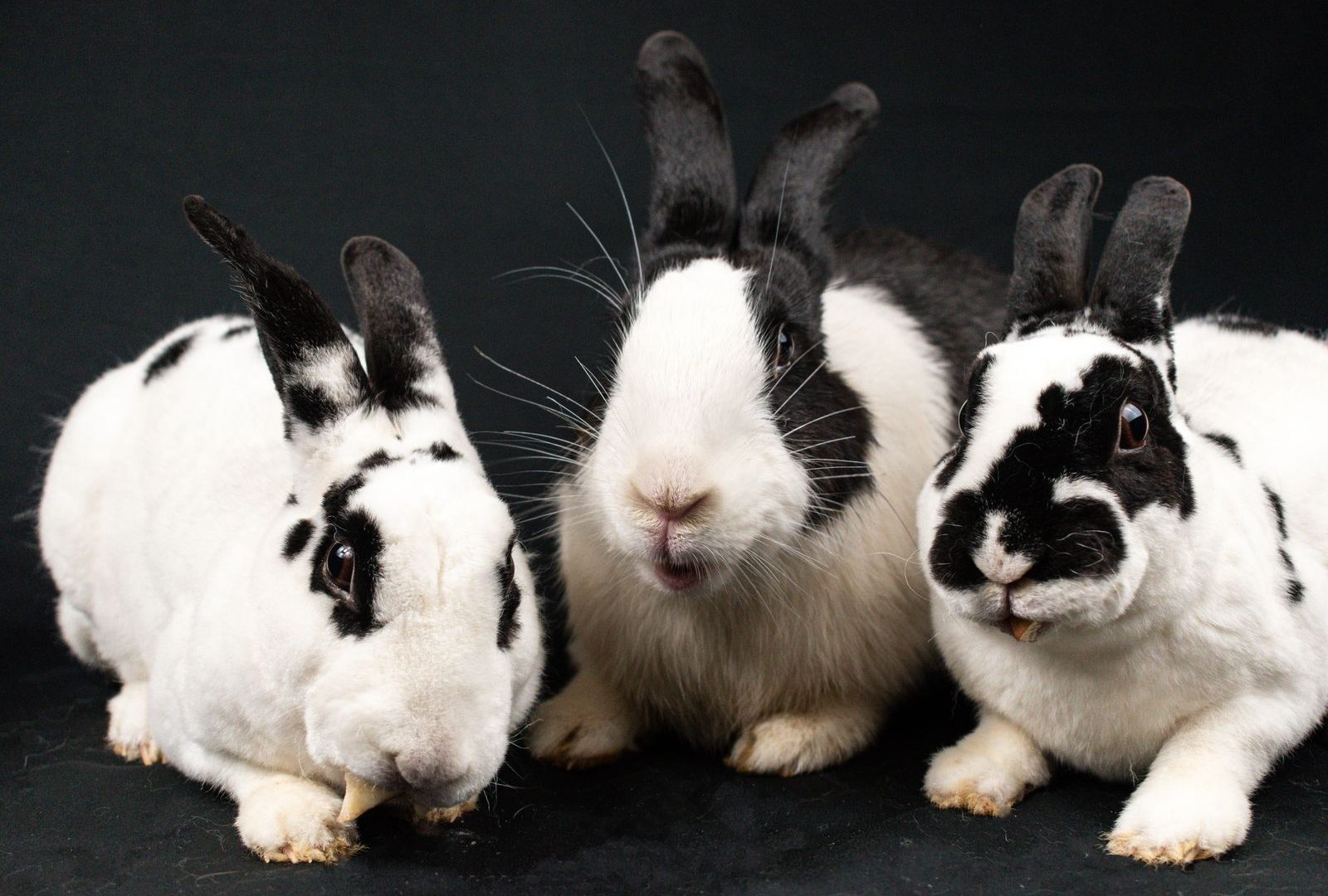
Ready to bring home a rabbit but overwhelmed by all the breeds? Lops, Rexes, Lionheads, giants — there are more than 50 breeds, and it is hard to know which one is right for you.
Here is the good news: a few beginner-friendly breeds are gentle, hardy, and easy to love. In this guide you will learn how to choose the best rabbit breed for your home, the top picks for first-timers and families, a handy size guide, and the breeds to think twice about. Let us help you find your perfect bunny match. 🐰❤
The truth is that every rabbit is an individual, and good care matters more than breed. But some breeds are calmer, sturdier, and lower-maintenance than others — and that makes a real difference when you are just starting out. This guide points you to the friendliest, easiest breeds to begin with.
How to Choose the Right Rabbit Breed
When picking a breed, temperament and size matter far more than looks. A calm, sturdy rabbit that fits your space will bring years of joy, while a high-strung or high-maintenance breed can overwhelm a first-time owner.
Why temperament comes first: some breeds are naturally more laid-back and tolerant of handling, which is exactly what you want — especially with children. A gentle rabbit is easier to bond with, litter train, and care for. Nervous breeds can still be wonderful, but they take more patience.
Why size and coat matter: bigger rabbits need bigger homes and eat more. Long-haired breeds need daily grooming to avoid painful mats. For a first rabbit, a small-to-medium, short-haired, easygoing breed is usually the sweet spot. Match the rabbit to your space, time, and family, not just to a cute face.
Do not choose a rabbit by looks alone. The friendliest first rabbit is usually a calm, hardy, short-haired breed that fits your space and lifestyle.
Best Rabbit Breeds for Beginners
These breeds are popular with first-time owners for good reason: they tend to be gentle, hardy, and manageable in size. Personalities vary, but these are reliably good starting points.
| Breed | Size | Why it is great for beginners |
|---|---|---|
| Mini Rex | Small (3–4.5 lb) | Super-soft velvet coat, calm, easy to handle |
| Holland Lop | Small (2–4 lb) | Friendly, playful, adorable floppy ears |
| Dutch | Small-med (4–5.5 lb) | Docile, hardy, classic gentle temperament |
| Mini Lop | Medium (4.5–6 lb) | Cuddly, sociable, sturdy for handling |
| Lionhead | Small (2.5–3.75 lb) | Sweet and friendly (needs some grooming for the mane) |
Best Rabbit Breeds for Families With Kids
Families need rabbits that are calm, sturdy, and tolerant of gentle handling. The following breeds tend to do well in busy homes with respectful children.
- Dutch: famously docile and hardy — a long-time family favorite.
- Mini Lop: cuddly and sociable, and sturdy enough for careful handling.
- Holland Lop: friendly and playful, with irresistible looks kids adore.
- Mini Rex: that plush coat is a magnet for gentle petting, and they stay calm.
Beginner Rabbit Care Book
Your roadmap to a happy first rabbit. A well-reviewed beginner rabbit care guide walks you through housing, feeding, health, and bonding — the perfect companion whichever breed you choose.
- Beginner-friendly — clear, step-by-step guidance for new owners
- Covers the essentials: diet, housing, litter training, and health
- Breed and temperament tips to help you choose and settle in
- A handy reference to keep for your rabbit’s whole life
As an Amazon Associate we earn from qualifying purchases. Affiliate links never decide what we recommend.
Rabbit Size Guide: Small to Giant
Rabbit breeds range from tiny 2-pound dwarfs to giants over 12 pounds. Size affects housing, food cost, and how much space you need, so choose one that fits your home.
| Size class | Weight | Example breeds |
|---|---|---|
| Dwarf/Small | Under 4 lb | Netherland Dwarf, Holland Lop, Mini Rex |
| Medium | 4–7 lb | Dutch, Mini Lop, Rex |
| Large | 8–11 lb | New Zealand, Californian |
| Giant | 12 lb+ | Flemish Giant, Continental Giant |
Breeds to Think Twice About as a First Rabbit
These breeds are not “bad” — many make fantastic pets. But they ask more of an owner, so they may not be the easiest place to start.
- Angora: that gorgeous wool needs daily grooming or it mats painfully. High commitment.
- Flemish & Continental Giants: huge, needing large housing and careful handling.
- Very nervous or wild-type rabbits: some individuals are skittish and need extra patience to bond.
If you love one of these breeds, go for it — just be honest about the time and space it needs. For a truly easy start, a small, short-haired, calm breed wins.
There are no bad breeds, only mismatches. Pick a rabbit whose needs match your time, space, and experience, and you both win.
Should You Adopt or Buy?
Both adopting and buying from a responsible breeder can be good choices — but adoption has real advantages for beginners.
Why adoption is a great first step
Rescues are full of wonderful rabbits, including many that are already spayed or neutered, litter trained, and known for their personalities. Rescue staff can match you with a calm, beginner-friendly bunny — a huge head start.
If you buy from a breeder
Choose a responsible breeder who keeps clean, healthy rabbits and lets you meet the parents. Avoid pet-store impulse buys and anyone who cannot answer basic care questions.
Common Breed-Choosing Mistakes (and Fixes)
Pro Tips From Experienced Keepers
- Adopt a bonded pair. Two rabbits keep each other company — and rescues often have pairs ready to go.
- Ask about the rabbit’s history. A known-friendly adult can be an easier start than a mystery baby.
- Plan the home first. Set up housing, food, and a vet before you bring your rabbit home.
- Give a shy rabbit time. Even calm breeds need a few weeks to settle and trust you.
- Budget for a rabbit-savvy vet. Every breed needs access to exotic-pet veterinary care.
Real-Life Example: Falling for the Wrong Reason
A story shared often in rabbit groups: a first-time owner falls in love with a fluffy Angora photo and brings one home, only to discover the daily grooming is more than they can manage, and the coat starts to mat. They ask the community for help. The kind advice: commit to a daily grooming routine, or rehome to an experienced keeper and start with an easier breed.
Many owners in this spot learn the lesson and switch to a calm, short-haired breed — and their rabbit-keeping suddenly becomes joyful instead of stressful. The community message is consistent: pick a breed that matches your real life, not just your Pinterest board. The right match makes everything easier.
Frequently Asked Questions
What is the friendliest rabbit breed?
Breeds like the Dutch, Mini Lop, Holland Lop, and Mini Rex are often praised for gentle, friendly temperaments. Remember that individual personality matters most.
What is the best rabbit breed for children?
Calm, sturdy breeds like the Dutch and Mini Lop tend to do well in families. Always supervise kids and teach gentle, floor-level interaction.
What is the easiest rabbit to care for?
Small-to-medium, short-haired, calm breeds are easiest. Avoid long-haired breeds like Angora and very large giants for a first rabbit.
How long do pet rabbits live?
Well-cared-for pet rabbits typically live 8 to 12 years. Choosing a rabbit is a long-term commitment.
Should I get one rabbit or two?
Rabbits are social and usually happier in bonded pairs. If you can care for two, a pair is often the kinder choice.
Your Rabbit-Choosing Checklist ✅
- Chose based on temperament and size, not just looks
- Breed fits your space and budget
- Grooming needs match your available time
- Met the individual rabbit before committing
- Considered adoption from a rescue
- Home, food, and vet arranged in advance
- Ready for an 8–12 year commitment
- Planned for a friend (pair) if possible
The best rabbit breed is the one that fits your home, your time, and your heart. Start with a calm, hardy, easy-care breed, meet the individual bunny, and set up a great home before you bring them in. Do that, and you will enjoy many happy years with your perfect rabbit companion. 🐇🏡
Keep exploring: set up the ideal home with our hutch sizing guide, feed them right with our complete diet guide, and give your rabbit a friend with our bonding guide.
Related buying guides
What to look for before you buy. These guides contain clearly labelled Amazon affiliate links.
Related guides
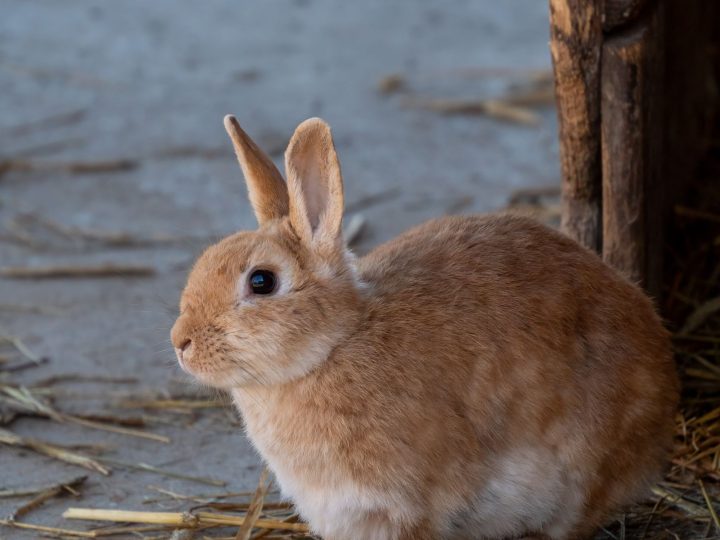
The Off-Grid Homestead Rabbit System
A complete off-grid homestead rabbit system — power-free housing, feeding from your land, gravity and rainwater…
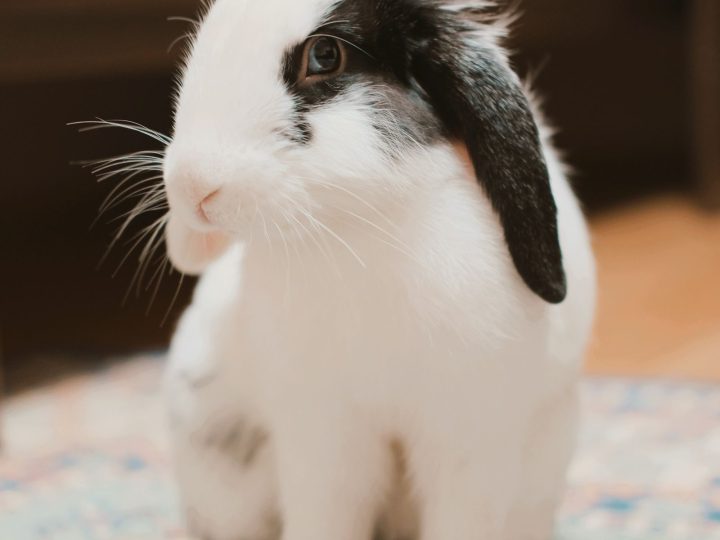
The Free-Roam House Rabbit System
The complete free-roam house rabbit system — how to know your bunny is ready, set up…
How Long Do Rabbits Live? Lifespan Guide
"How long do rabbits live?" It is one of the first things loving owners want to…