Best Rabbit Hideouts & Hidey Houses
Why every rabbit needs a hideout — how hidey houses lower stress and build confidence, the safe chewable materials to choose, sizing and placement, and how the right retreat helps shy bunnies settle.
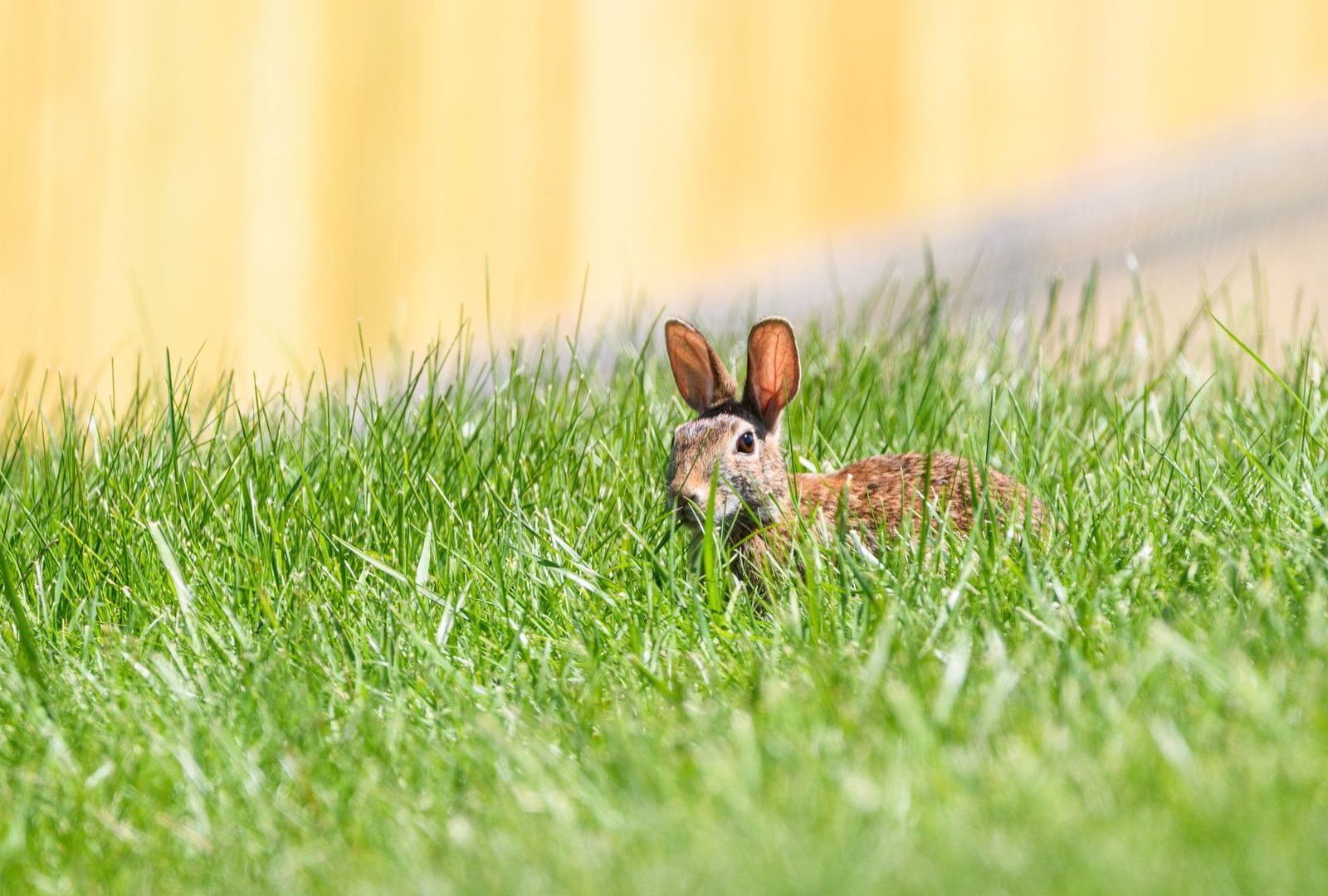
A rabbit without a place to hide is a rabbit living on edge. As prey animals, bunnies are hardwired to seek cover — and a good hideout is one of the most important things you can give them for genuine peace of mind.
This guide covers the best rabbit hideouts and hidey houses: why they matter so much, the safe materials to choose, sizing, and how the right hideaway makes a shy rabbit braver, calmer, and happier. 🏠🐰
In the wild, rabbits survive by darting into burrows at the first sign of danger. That instinct does not switch off at home. Providing a hideout satisfies a deep need for security — and, paradoxically, a rabbit with a safe place to hide actually comes out and explores more. Here is how to choose the right one.
Why Every Rabbit Needs a Hideout
Rabbits are prey animals with a deep, instinctive need to hide. A hideout gives them a secure retreat that dramatically lowers stress and builds confidence.
Security and stress: without a place to take cover, a rabbit stays in a low-level state of alertness. A hidey house signals “you are safe here,” reducing chronic stress that can harm health and appetite over time.
Confidence, not withdrawal: new owners sometimes worry a hideout will make a rabbit reclusive. The opposite is true — knowing a safe retreat is always available makes a rabbit braver and more willing to explore, play, and bond. A hideout is a foundation for confidence.
Give a rabbit a safe place to hide, and it hides less. Security is what lets a prey animal relax and come out to play.
Types of Rabbit Hideout
Hideouts come in many forms. The best ones have the features rabbits instinctively want.
- Wooden hidey houses. Sturdy, chewable, and den-like — a classic that doubles as a chew toy.
- Grass and seagrass huts. Woven natural houses that rabbits can hide in and safely nibble.
- Cardboard boxes and castles. Free, replaceable, and beloved — cut two doorways and you are done.
- Tunnels. Fabric or grass tunnels tap the burrow instinct and encourage playful dashing.
- Ceramic or plastic hides. Easy to clean, though less satisfying to chew than natural options.
Choosing Safe Materials
Because rabbits chew their hideouts, the materials must be rabbit-safe.
- Untreated wood. Natural, unpainted, un-varnished wood is safe to gnaw.
- Natural grass, seagrass, or wicker. Edible and satisfying, doubling as enrichment.
- Plain cardboard. Remove tape and glossy print; the rest is safe and endlessly replaceable.
- Avoid treated or painted wood. Varnish, paint, and glues can be toxic when chewed.
- Avoid soft plastics they can shatter. Sharp pieces or swallowed plastic are a hazard.
Natural Grass Rabbit Hideout House
A cozy, chewable safe haven. A woven natural-grass hidey house gives your rabbit the secure retreat their instincts crave, while being completely safe to nibble — comforting a shy bunny and doubling as edible enrichment.
- Den-like enclosed space that calms prey-animal nerves
- 100% natural grass that is safe to chew
- Doubles as enrichment and a chew toy
- Lightweight for easy placement and cleaning
As an Amazon Associate we earn from qualifying purchases. Affiliate links never decide what we recommend.
Sizing the Hideout Right
A hideout must fit your rabbit comfortably. Too small and they avoid it; too open and it does not feel safe.
- Room to fit fully inside. Your rabbit should be able to sit and turn around within it.
- Big enough to relax. Many rabbits like to stretch out and nap in a roomy hide.
- Match large breeds. Bigger rabbits need bigger houses — a cramped hide goes unused.
- Consider a bonded pair. Two rabbits often want a hideout large enough to share.
Where to Place the Hideout
Placement affects how much your rabbit uses and trusts the hideout.
- Put it in a quiet corner. A calm, low-traffic spot makes the hide feel truly safe.
- Keep it accessible. Place it where your rabbit spends time so retreat is always close.
- Avoid drafts and direct sun. A comfortable microclimate keeps the hide inviting.
- Let them choose. Offer it and let your rabbit approach on their own terms — no forcing.
- Add more in big spaces. In a large pen or free-roam home, several hides give options.
Helping Shy or New Rabbits Settle
For a nervous or newly adopted rabbit, a hideout is the fastest route to trust.
| Situation | How a hideout helps | Your approach |
|---|---|---|
| New arrival | Instant safe base | Provide a hide day one; let them settle |
| Very shy rabbit | Reduces constant fear | Sit nearby quietly; let them emerge |
| Bonding phase | Lowers overall stress | Give each rabbit retreat options |
| Loud household | Escape from noise | Place hides in the quietest areas |
Common Hideout Mistakes (and Fixes)
Pro Tips for the Perfect Hideaway
- Offer a chewable hide. Grass or wood houses double as safe chew enrichment.
- Stuff it with hay. A hay-filled hide becomes a cozy, edible nest.
- Provide two exits. Escape routes make a hide feel far safer.
- Have a spare. Rabbits chew hides up — keep a replacement ready.
- Respect the retreat. Treat the hideout as your rabbit’s private, undisturbed space.
Real-Life Example: The Shy Rabbit Who Came Out
A story adopters know well: a newly rehomed rabbit hides in a corner, tense and unwilling to explore. The owner adds a natural-grass hidey house stuffed with hay in a quiet spot and simply leaves the rabbit alone to use it, never reaching inside.
Within a week the rabbit treats the hide as home base — darting in when startled, but venturing out further and further to explore and, eventually, to approach its owner. The lesson experienced keepers repeat: a safe hideout is what gives a scared rabbit the confidence to come out. Security first, and the bravery and bonding follow naturally.
Frequently Asked Questions
Do rabbits really need a hideout?
Yes. As prey animals, rabbits have a deep instinct to hide. A hideout lowers stress, builds confidence, and is considered an essential, not an optional, part of good rabbit housing.
Will a hideout make my rabbit antisocial?
No — the opposite. A rabbit that knows it has a safe retreat feels secure enough to come out, explore, and bond more, not less.
What material is safest for a hideout?
Untreated wood, natural grass or seagrass, and plain cardboard are all safe and chewable. Avoid painted, varnished, or treated wood and breakable plastics.
How big should a rabbit hideout be?
Big enough for your rabbit to sit, turn around, and relax inside. Large breeds and bonded pairs need proportionally bigger hides.
Where should I put the hideout?
In a quiet, accessible corner away from drafts and direct sun. In large or free-roam spaces, provide several hides so retreat is always close by.
Your Rabbit Hideout Checklist ✅
- At least one safe hideout always available
- Made of untreated wood, natural fiber, or plain cardboard
- Large enough to sit, turn, and relax inside
- Ideally two exits so your rabbit cannot be cornered
- Placed in a quiet, accessible, draft-free spot
- Stuffed with hay for a cozy nest
- A spare ready for when it gets chewed up
- Treated as a private, undisturbed retreat
A hideout is not a luxury — it is a core need that makes your rabbit feel safe enough to truly relax and thrive. Choose a chewable, well-sized hide with two exits, place it in a calm spot, and always respect it as your bunny’s safe space. Security first, and a braver, happier rabbit follows. 🏠🐇
Keep exploring: pair the hideout with room to roam in the best rabbit exercise pens, and build a whole calm home with the free-roam house rabbit system.
Related guides

The Apartment Rabbit System
A complete small-space rabbit setup for apartments and condos — a roomy pen, smart vertical layout,…
Do Rabbits Smell? Odor-Free Rabbit Care
"Do rabbits smell?" It is one of the biggest worries for anyone thinking about a house…
Rabbit Cage & Habitat Setup Guide
Bringing home a rabbit soon? The home you build for it will shape its whole life.…