Best Rabbit Chew Toys
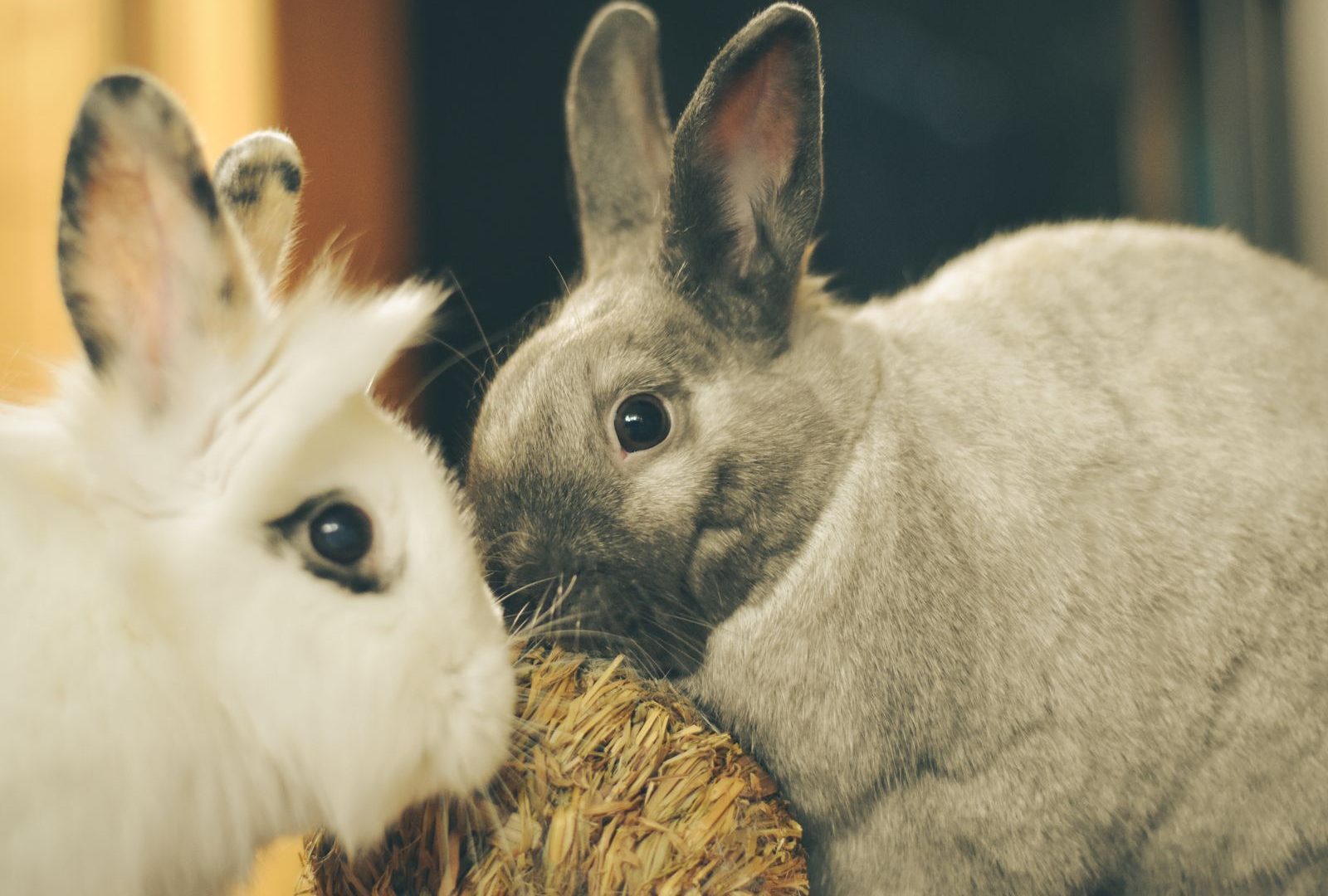
Chewing is not naughty behavior — it is a biological need. A rabbit’s teeth never stop growing, so gnawing is how they keep those teeth healthy. The only question is what they chew.
This guide covers the best rabbit chew toys: what is safe, what to avoid, and how the right toys protect your bunny’s teeth, banish boredom, and save your furniture and baseboards from destruction. Give them good things to chew, and everyone wins. 🪵🐰
Every rabbit owner learns quickly that rabbits must chew. It wears down their ever-growing teeth and keeps their busy minds occupied. Provide plenty of safe, appealing chew toys and you redirect that instinct away from your sofa and toward things that actually keep your rabbit healthy.
Why Rabbits Absolutely Must Chew
A rabbit’s teeth grow continuously for its entire life, and chewing is how they wear them down. Without enough to gnaw on, those teeth can overgrow — a serious, painful health problem.
Dental health: constant chewing keeps teeth at the right length and properly aligned. Rabbits denied chew material can develop overgrown teeth and painful dental spurs that stop them eating and require veterinary treatment.
Mental health: chewing is also mentally satisfying. A bored rabbit with nothing to gnaw becomes frustrated and destructive. Good chew toys channel that energy productively — and hay, the number-one chew and diet staple, does double duty for teeth and gut.
Chewing is not a bad habit to stop — it is a need to satisfy. Give a rabbit the right things to chew and it stops chewing the wrong ones.
Safe Chew Materials
The best chew toys are simple, natural, and rabbit-safe. Many are inexpensive or free.
- Untreated apple, willow, or pear wood. Safe fruit-wood sticks and balls are rabbit favorites.
- Timothy hay and grass mats. Woven grass mats and hay are perfect edible chews.
- Seagrass and untreated wicker. Baskets, mats, and balls of natural seagrass satisfy heavy chewers.
- Plain cardboard. A cardboard box or toilet-roll tube stuffed with hay is a beloved free toy.
- Loofah and untreated straw. Natural loofah and straw balls give varied textures to gnaw.
Chews to Avoid
Some common “pet” chews are unsafe for rabbits. Skip these entirely.
- Treated or painted wood. Varnish, paint, and chemicals are toxic — only untreated wood is safe.
- Softwoods like cedar and fresh pine. Their oils can harm a rabbit’s liver and airways.
- Plastic toys they can break. Sharp shards or swallowed plastic can injure or block the gut.
- Store treats with seeds, nuts, or yogurt drops. Sugary, fatty “treats” are bad for rabbit digestion.
- Anything dyed with unknown coloring. Stick to natural or pet-safe, vegetable-dyed items.
Natural Rabbit Chew Toy Variety Pack
Healthy teeth, busy bunny, safe furniture. A variety pack of natural chew toys — apple sticks, seagrass balls, and woven grass mats — gives your rabbit safe, satisfying things to gnaw, protecting their teeth while sparing your baseboards.
- Natural apple-wood sticks that wear teeth down safely
- Seagrass & grass toys for heavy chewers
- Variety of textures to prevent boredom
- Untreated, rabbit-safe materials throughout
As an Amazon Associate we earn from qualifying purchases. This never changes our editorial picks.
Types of Chew Toy
Variety keeps a rabbit interested. Offer a mix of these to cover chewing, tossing, and foraging.
| Toy type | What it does | Examples |
|---|---|---|
| Gnaw chews | Wear teeth down | Apple sticks, willow balls |
| Toss & throw | Active play | Wicker balls, wooden blocks |
| Forage/shred | Mental enrichment | Hay-stuffed tubes, grass mats |
| Hide & chew | Shelter plus gnawing | Cardboard castles, tunnels |
Beating Boredom with Enrichment
Chew toys do more than protect teeth — they keep a smart animal mentally engaged.
- Offer several textures. Wood, grass, and cardboard give variety a rabbit craves.
- Make them forage. Hide hay or a pellet in a stuffed tube so your rabbit works for it.
- Add movement. Toss toys and treat balls encourage active, playful chewing.
- Rotate weekly. Swapping toys keeps novelty high and boredom low.
- Combine with space. Toys plus a roomy pen or free-roam area maximize enrichment.
Saving Your Furniture
You cannot stop a rabbit chewing — but you can redirect it. Pair good toys with smart bunny-proofing.
- Provide plenty of chews. A rabbit with great toys has less reason to target the sofa.
- Protect baseboards and cords. Cover cords and vulnerable edges with safe guards.
- Block access. Use pens or gates to keep rabbits away from irresistible wooden furniture.
- Offer an alternative on the spot. When you catch chewing, redirect to a chew toy immediately.
Common Chew-Toy Mistakes (and Fixes)
Pro Tips for Happy Chewing
- Lead with hay. Unlimited hay is the best chew of all — for teeth and digestion.
- Keep a variety box. A small rotating collection prevents boredom cheaply.
- DIY freely. Cardboard tubes and boxes make excellent free toys.
- Watch for dental signs. Drooling or dropped food can signal tooth trouble — see a vet.
- Redirect, don’t scold. Offer a toy when your rabbit eyes the furniture.
Real-Life Example: From Sofa-Chewer to Happy Gnawer
A story nearly every rabbit owner recognizes: a new house rabbit starts nibbling the baseboards and a chair leg, and the frustrated owner assumes the rabbit is misbehaving. Instead of scolding, they add a basket of apple sticks, a seagrass ball, and a hay-stuffed cardboard tube, and cover the exposed cords.
Within days the rabbit is happily demolishing its toys instead of the furniture. The lesson experienced keepers repeat: you cannot stop a rabbit chewing — you can only give it better things to chew. With plenty of safe toys, unlimited hay, and a little bunny-proofing, destructive chewing fades and a healthier, happier, more entertained rabbit takes its place.
Frequently Asked Questions
Why does my rabbit chew everything?
Because their teeth grow continuously and chewing wears them down, and because it relieves boredom. Provide plenty of safe chew toys and unlimited hay to redirect the instinct.
What chew toys are safe for rabbits?
Untreated apple, willow, or pear wood; timothy hay and grass mats; seagrass; plain cardboard; and loofah. Avoid treated/painted wood, softwoods like cedar, and breakable plastic.
Are cardboard boxes safe to chew?
Yes — plain, un-inked cardboard is a safe, beloved, free chew toy. Remove tape and glossy printed sections first.
How do I stop my rabbit chewing furniture?
You cannot stop the instinct, but you can redirect it: offer lots of chew toys, cover cords and baseboards, block access with pens, and redirect to a toy when you catch them.
What treats should I avoid?
Skip store treats with seeds, nuts, or yogurt drops — they are sugary and fatty. Stick to natural chews and healthy greens instead.
Your Rabbit Chew-Toy Checklist ✅
- Unlimited hay as the number-one chew
- Untreated apple/willow wood sticks and balls
- Seagrass or grass mats for heavy chewers
- Plain cardboard boxes and hay-stuffed tubes
- A variety of textures, rotated weekly
- No treated wood, softwoods, or breakable plastic
- Cords covered and furniture blocked
- Redirect chewing to a toy, never scold
Chewing is a rabbit’s superpower and its need. Give your bunny a rich variety of safe, natural chew toys, keep hay unlimited, rotate for novelty, and bunny-proof the essentials. You will protect their teeth, banish boredom, and keep your furniture intact — a win for everyone. 🪵🐇
Keep exploring: pair toys with room to play in the best rabbit exercise pens, and support dental health with our complete diet guide.
You might also like
Nipple Watering System
Pressure-regulated nipple line with a manifold for cages or colony shelters.
Read →
Best Rabbit Cage Mats for Sore Hocks
Protect your rabbit from painful sore hocks with the right cage mat — what pododermatitis is, why mats matter, the best cushioning…
Read →
Colony Predator-Guard Kit
Hardware cloth skirt + latch upgrades for outdoor colony shelters, sized for medium dogs / raccoons.
Read →