Rabbit-Proofing Your Home: Keep Your Bunny (and Your Stuff) Safe
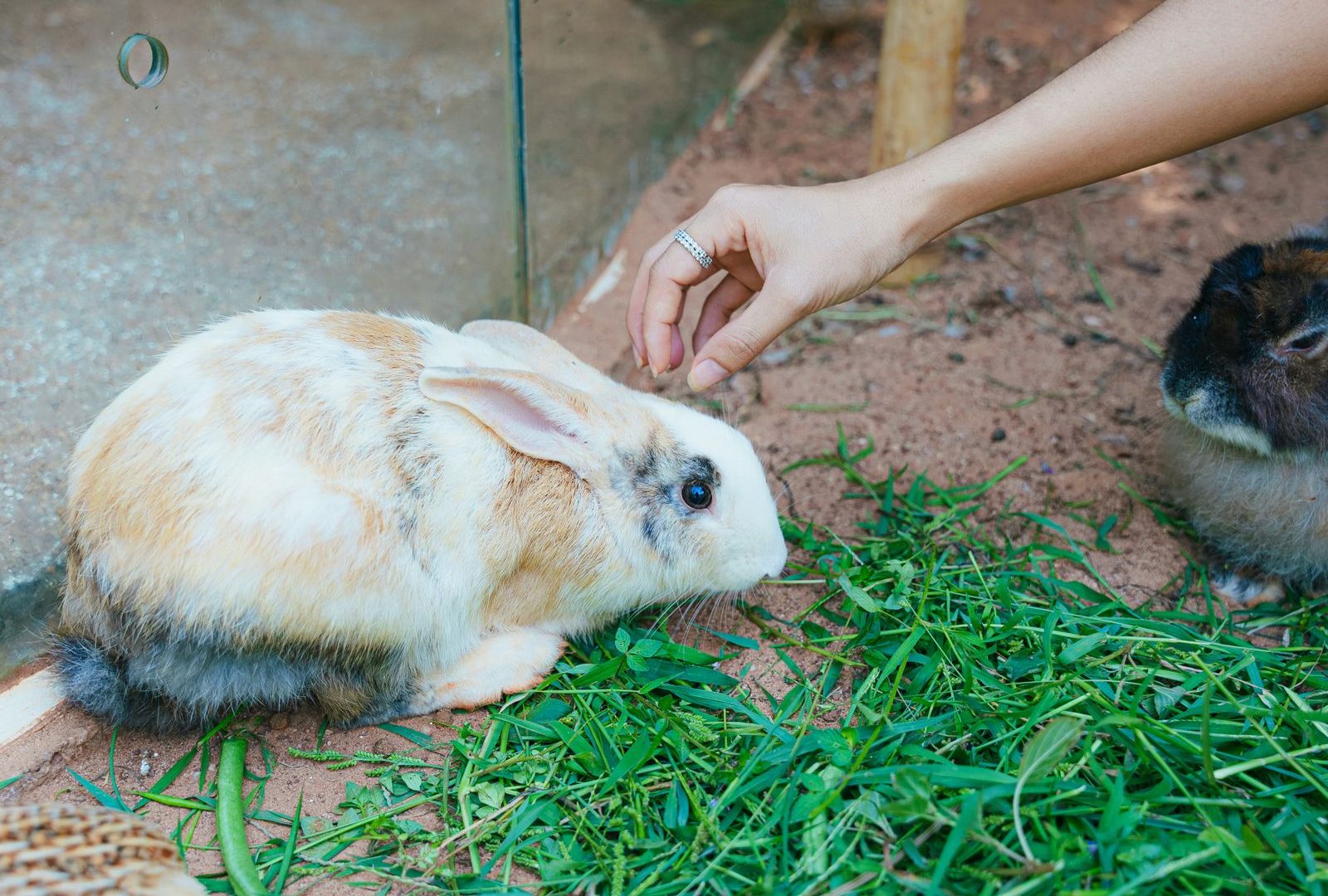
Letting your rabbit hop freely around the house is wonderful — until you find a chewed phone charger or a nibbled table leg. Worse, a bitten electrical cord can seriously hurt your bunny.
Here is the reassuring news: rabbit-proofing your home is simple once you know what to look for. In this guide you will learn the biggest dangers, how to protect cords, furniture, and plants, and how to build a safe play zone your rabbit will love. Protect your home and your bunny at the same time — let us get started. 🏠🐰
Rabbits are natural chewers and diggers. It is not naughtiness — it is instinct. The secret to a happy free-roam rabbit is not stopping these urges, but making your home safe and giving your bunny better things to chew. Rabbit-proofing does exactly that.
Why Rabbit-Proofing Matters
Rabbits explore the world with their teeth. They chew to wear down ever-growing teeth, and they dig because it feels natural. In a home full of cords, houseplants, and wooden furniture, that curiosity can quickly turn dangerous — for your rabbit and your belongings.
Why it is a safety issue, not just a mess: the scariest hazard is electrical cords. A rabbit that bites through a live wire can be burned, shocked, or worse. Toxic houseplants can poison a curious nibbler. Small gaps behind appliances can trap a rabbit. These are real risks that rabbit-proofing removes.
The good news for your stuff: protecting your home also saves your furniture, baseboards, books, and carpet from chew damage. When you block off hazards and offer safe chew toys instead, your rabbit stays safe and your belongings stay intact. Everyone wins.
You cannot train a rabbit to stop chewing — it is instinct. But you can make your home safe and redirect that chewing to things they are allowed to have.
The Biggest Dangers to Rabbit-Proof First
Start with the items that can actually harm your rabbit. Tackle these before you worry about scratched furniture.
| Hazard | Why it is dangerous | Quick fix |
|---|---|---|
| Electrical cords | Shock, burns, fire | Cover with cord protectors or hide them |
| Toxic houseplants | Poisoning | Move out of reach or remove |
| Small gaps & holes | Rabbit gets stuck or lost | Block behind appliances and furniture |
| Cleaning chemicals | Poisoning | Store in closed cabinets |
| Loose small objects | Choking, gut blockage | Pick up coins, rubber bands, pins |
Room-by-Room Rabbit-Proofing
Work through your home one area at a time. Get down to rabbit level — on your hands and knees — to see the world (and the hazards) the way your bunny does.
- Living room: cover TV, lamp, and charger cords. Block gaps under and behind the sofa. Lift low houseplants out of reach.
- Bedroom: hide phone chargers, block the space under the bed if you do not want a bunny cave, and keep the closet closed.
- Kitchen: store chemicals up high, block gaps beside the fridge and stove, and keep the trash bin covered.
- Bathroom: keep the door closed if possible — cleaning products and small gaps make it risky.
- Home office: this is a cord jungle. Bundle and cover every cable, and keep paper shredders and small items off the floor.
Cord Protectors & Cable Covers
The fastest way to make your home rabbit-safe. Flexible split-tube cord covers wrap around cables in seconds, protecting your bunny from shocks and your chargers from sharp teeth.
- Chew-resistant tubing shields cords from curious rabbit teeth
- Split design wraps around existing cables without unplugging anything
- Cut to any length for chargers, lamps, TVs, and office cables
- Prevents shocks and burns — the top home safety upgrade for free-roam rabbits
As an Amazon Associate we earn from qualifying purchases. This never changes our editorial picks.
Safe vs Toxic Houseplants for Rabbits
Many common houseplants are poisonous to rabbits. Since bunnies love to nibble greenery, keep toxic plants completely out of reach and choose safe ones for rooms your rabbit roams.
| ✅ Generally safe | ❌ Toxic — keep away |
|---|---|
| Spider plant | Lily |
| Basil, cilantro, mint (herbs) | Aloe vera |
| Prayer plant | Ivy |
| Boston fern | Philodendron & pothos |
| Rose (leaves/petals) | Daffodil, tulip bulbs |
How to Protect Furniture and Baseboards
Rabbits love to chew wooden furniture legs and dig at carpet corners. You can protect your home while keeping your bunny happy.
Block and cover
Use cardboard, plastic guards, or furniture-corner protectors on chewed spots. A simple sheet of cardboard taped over a favorite target often does the trick.
Redirect the chewing
The real secret is giving your rabbit better options. Place safe chew toys, willow balls, and cardboard boxes nearby so your bunny chews those instead of your sofa. A rabbit with plenty of legal chews leaves your furniture alone.
Protect the carpet
Cover favorite digging corners with a mat, tile, or a dig box filled with paper. Give diggers a place to dig, and they stop attacking your floor.
The goal is not to stop your rabbit chewing and digging. It is to make sure the only things it can reach are things it is allowed to have.
Creating a Safe Rabbit Play Zone
If rabbit-proofing a whole home feels like too much, start smaller. A dedicated, fully safe play zone gives your rabbit freedom without the stress of guarding every room.
- Use an exercise pen to create a large, safe area you can fully proof once.
- Fill it with enrichment — chew toys, a dig box, tunnels, and a hidey house.
- Add a litter box and hay so your rabbit is comfortable during play time.
- Expand slowly to more rooms as you proof them and as your rabbit earns trust.
Common Rabbit-Proofing Mistakes (and Fixes)
Pro Tips From Experienced Keepers
- Supervise at first. Watch your rabbit in each new space so you learn its favorite targets.
- Use double-sided tape sparingly. Rabbits dislike sticky surfaces, which can deter digging at a specific spot.
- Keep bags and backpacks up. Straps and small items inside are choking and chewing hazards.
- Give a chew toy near every temptation. A legal chew next to the sofa leg works better than scolding.
- Re-proof after any change. New furniture, guests, or gadgets can add fresh hazards.
Real-Life Example: The Chewed Charger Wake-Up Call
A story shared often in rabbit groups: a new owner lets their bunny roam the living room, only to find a chewed laptop charger the next morning — and a very lucky, unharmed rabbit. Shaken, they ask for help. Experienced keepers give the same advice: cover every cord, block the gaps, and add chew toys so the rabbit has something safe to gnaw.
A week later, the same owner reports that with cord covers and a box of willow chews, the rabbit ignores the cables and happily chews its toys instead. The scare became a lesson the whole community knows well: rabbits will chew cords if they can reach them, so the fix is never to trust the rabbit — it is to remove the temptation and offer a better one.
Frequently Asked Questions
How do I stop my rabbit chewing cords?
Cover cords with chew-resistant cable protectors or hide them behind furniture. Rabbits cannot resist cords, so removing access is the only reliable fix. Offer chew toys as a legal alternative.
What household items are dangerous to rabbits?
Electrical cords, toxic houseplants, cleaning chemicals, small swallowable objects, and gaps where a rabbit can get stuck are the main dangers. Address these first.
Can rabbits free-roam the whole house?
Yes, once it is fully rabbit-proofed and your bunny is litter trained and trusted. Many owners start with one safe room or a pen and expand slowly.
How do I stop my rabbit digging the carpet?
Give it a dig box of shredded paper or hay, and cover favorite corners with a mat or tile. Redirecting the urge works better than punishment.
Are houseplants safe around rabbits?
Many are toxic, such as lilies, ivy, aloe, and pothos. Keep all plants out of reach and only allow rabbit-safe ones in roaming areas.
Your Rabbit-Proofing Checklist ✅
- All reachable electrical cords covered or hidden
- Toxic houseplants moved out of reach
- Cleaning chemicals stored in closed cabinets
- Gaps behind furniture and appliances blocked
- Small objects picked up off the floor
- Safe chew toys and a dig box provided
- Furniture legs and carpet corners protected
- New spaces supervised until proven safe
Rabbit-proofing is a one-time project that pays off every single day. Cover those cords, block the gaps, hide the toxic plants, and offer plenty of safe chews. Do that, and you can relax while your bunny enjoys the freedom to hop, explore, and play — safe and sound. 🐇🏡
Keep exploring: keep your bunny busy with our toys & enrichment guide, set up a tidy space with our litter training guide, and size the home right with our hutch sizing guide.
You might also like

Predator-aware outdoor rabbitry
Hardware cloth, raised floors, latches, lighting, and night routines for cold-climate and rural sites.
Read →
Rabbit Grooming Guide: Brushing, Nails, and Shedding Made Easy
Fur on your clothes, fur on the couch, fur floating through the air — and clumps of it stuck to your bunny.…
Read →
Rabbit Toys and Enrichment: Keep Your Bunny Happy and Busy
Is your rabbit chewing the furniture, digging at the carpet, or just sitting still and grumpy? That is not a “bad bunny”…
Read →