Rabbit Grooming Guide: Brushing, Nails, and Shedding Made Easy
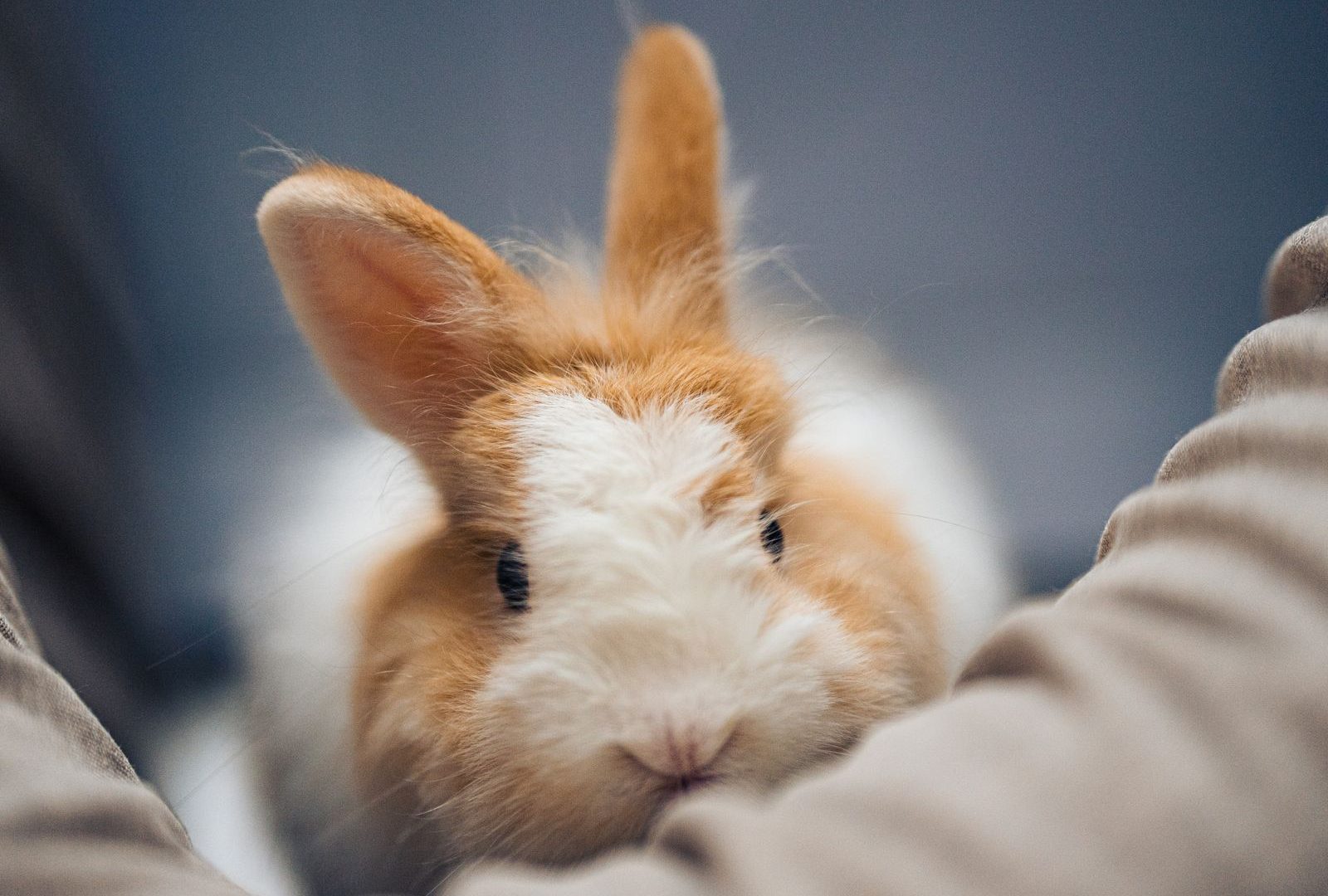
Fur on your clothes, fur on the couch, fur floating through the air — and clumps of it stuck to your bunny. Shedding season can feel out of control. Worse, all that loose fur can put your rabbit’s health at real risk.
Here is the reassuring truth: grooming a rabbit is quick and simple once you know how. In this guide you will learn how often to brush, the best tools, safe nail trimming, how to handle heavy shedding, and why you must never bathe a rabbit. A few minutes a week keeps your bunny healthy, comfy, and gorgeous. 🐰✨
Grooming is not just about looks. Rabbits swallow fur when they clean themselves, and unlike cats, they cannot vomit hairballs back up. Too much swallowed fur can block the gut — a dangerous condition. Regular brushing removes loose fur before your rabbit eats it, making grooming one of the most important health habits you have.
Why Grooming Is So Important for Rabbits
Rabbits are clean animals that groom themselves constantly — and that is exactly the problem. Every time they lick their coat, they swallow loose fur. Because a rabbit cannot cough up a hairball like a cat, that fur has to pass all the way through the gut. When shedding is heavy, too much fur can build up and slow or block the digestive system.
Why brushing is the answer: when you brush your rabbit, you remove the loose fur yourself — before your bunny can swallow it. This dramatically lowers the risk of a fur-related gut slowdown. Pair brushing with unlimited hay and fresh water, and you have a powerful defense against one of the most common rabbit health scares.
The bonus benefits: grooming also keeps the coat free of painful mats, gives you a chance to spot skin, nail, and weight problems early, and builds trust between you and your rabbit. A few calm minutes of brushing is quality bonding time that pays off in health and friendship.
Cats cough up hairballs. Rabbits cannot. That single fact is why regular brushing is not optional — it is essential rabbit health care.
How Often Should You Groom a Rabbit?
How much grooming your rabbit needs depends on its coat. Short-haired rabbits are low-maintenance; long-haired breeds need daily care to avoid dangerous mats.
| Coat type | Examples | Brushing needed |
|---|---|---|
| Short-haired | Most common breeds, Mini Rex | 1–2 times a week (daily when molting) |
| Medium-haired | Lionhead, some lops | 2–3 times a week |
| Long-haired (wool) | Angora, some Lionheads | Daily — mats form fast |
How to Brush Your Rabbit: Step by Step
Brushing should be calm and gentle. Rabbits have delicate skin, so a light touch matters. Here is the simple routine.
- Pick a calm moment and place. Groom when your rabbit is relaxed, on a non-slip surface or your lap, with all four feet supported.
- Start with gentle strokes. Brush in the direction the fur grows, using light pressure so you never scratch the skin.
- Work in sections. Cover the back, sides, and rump — the areas that shed most. Be extra gentle on the belly and chin.
- Loosen fur with your hands. During a molt, lightly pluck or stroke out tufts that are already lifting away. Do not pull hard.
- Check for mats. Tease out small tangles gently with your fingers. Never yank — it hurts and can tear the skin.
- Finish on a good note. End with a head rub or a tiny treat so your rabbit links grooming with something pleasant.
Best Grooming Tools for Rabbits
The right tool makes grooming faster and safer. Because rabbit skin is thin and delicate, gentle tools are a must.
| Tool | What it does | Best for |
|---|---|---|
| Soft bristle brush | Everyday loose-fur removal | Short-haired rabbits |
| Fine-tooth comb | Detangles and reaches the undercoat | Long-haired breeds |
| Rubber grooming mitt | Gentle stroking that grabs fur | Nervous or sensitive rabbits |
| Small pet nail clippers | Trims nails safely | All rabbits |
Gentle Rabbit Grooming Brush & Comb Set
The kit that makes shedding season painless. A soft-bristle brush plus a fine comb removes loose fur before your bunny can swallow it — protecting the gut and keeping the coat mat-free and shiny.
- Soft, skin-safe bristles designed for a rabbit’s delicate skin
- Removes loose undercoat to help prevent fur-related gut slowdown
- Comfortable grip for quick, stress-free daily sessions
- Works for molts and mats on short and long-haired breeds
As an Amazon Associate we earn from qualifying purchases. This never changes our editorial picks.
Dealing With Shedding and Molting
A few times a year, rabbits go through a molt and shed their coat — sometimes dramatically. You might see the fur come out in patches or a clear “tide line” moving across the body. This is normal, but it needs extra care.
How to handle a heavy molt: brush daily, or even twice a day at the peak. Gently remove loose tufts with your fingers or a rubber mitt. Keep unlimited hay in front of your rabbit — the fiber helps push any swallowed fur through the gut. Watch the droppings; if they start looking small, strung together with fur, or fewer than usual, brush more and call a vet if it continues.
During a molt, more hay and more brushing are your two best tools. Fiber keeps fur moving; brushing keeps it out of the belly in the first place.
Nail Trimming Made Easy
Rabbit nails never stop growing. Overgrown nails snag, curl, and can cause painful foot problems, so trim them every 4–6 weeks. It is simpler than it looks.
- Get a helper if you can. One person gently holds and reassures the rabbit while the other trims.
- Find the quick. In pale nails the quick is the pink line inside. Trim just past it. For dark nails, shine a flashlight behind the nail to spot it.
- Snip a little at a time. Cut only the clear tip. Small trims are safer than one big cut.
- Keep styptic powder handy. If you nick the quick and it bleeds, a dab of styptic powder (or cornstarch) stops it fast.
- Reward and rest. Do a few nails, offer a treat, and finish later if your rabbit gets stressed.
Do Rabbits Need Baths? (Please Read)
No — never give a rabbit a full water bath. This is one of the most important rabbit-care rules. A bath can terrify a rabbit so badly that it goes into shock, and wet fur takes a long time to dry, risking a dangerous chill.
What to do instead: rabbits keep themselves clean. If a spot gets dirty — usually the rear — use a “spot clean” with a damp cloth or a dry method with cornstarch and gentle brushing. If your rabbit’s bottom is often messy, that is a health or diet clue worth a vet visit, not a bathing problem.
Spot-Check Your Rabbit While You Groom
Grooming time is the perfect moment for a quick health check. As you brush, run through this list:
- Eyes and nose: clear and clean, no discharge.
- Ears: no crust, wax buildup, or head-shaking.
- Teeth: front teeth aligned, no drooling.
- Skin: no flakes, scabs, bald spots, or lumps.
- Nails: not too long or curling.
- Bottom: clean and dry — a messy rear needs attention fast in warm weather.
- Weight: a gentle feel over the spine and hips to catch changes early.
Common Grooming Mistakes (and Fixes)
Pro Tips From Experienced Keepers
- Groom on the floor. A low surface means any wriggle is a tiny hop, not a dangerous fall.
- Feed hay during a molt. Extra fiber helps swallowed fur pass safely.
- Make it routine. Same time, same spot — rabbits relax into a predictable habit.
- Keep sessions short. Two calm minutes beats one long stressful battle.
- Learn nails from a pro first. Have a vet or groomer show you once, then it is easy.
Real-Life Example: Beating the Shedding Season
A story that comes up every spring in rabbit groups: an owner worries that their bunny is “shedding like crazy” and leaving fur everywhere, and asks if something is wrong. Experienced keepers reassure them: this is a normal molt — brush daily, offer plenty of hay, and watch the droppings.
Within a week or two of daily brushing, the loose fur is under control and the rabbit is comfortable again. The owner is relieved to learn that molting is natural and that a simple brush was the whole solution. The community lesson is consistent: heavy shedding is usually normal, but it demands more brushing and more hay to keep swallowed fur from causing trouble. Stay ahead of the fur, and both you and your bunny breathe easier.
You cannot stop a molt — but you can stay ahead of it. Daily brushing plus unlimited hay turns a scary shedding season into a simple routine.
Frequently Asked Questions
How often should I brush my rabbit?
Short-haired rabbits need brushing once or twice a week, medium coats two to three times, and long-haired breeds daily. During a molt, brush every rabbit daily.
Can I bathe my rabbit?
No. Never give a rabbit a water bath — it can cause deadly stress and chill. Spot-clean dirty areas with a damp cloth or dry cornstarch method instead.
How do I stop my rabbit from shedding so much?
You cannot stop natural molting, but daily brushing removes loose fur, and unlimited hay helps any swallowed fur pass safely. Heavy seasonal molts are normal.
How do I trim rabbit nails without hurting them?
Trim only the clear tip, avoiding the pink quick (use a flashlight for dark nails). Keep styptic powder handy, and trim every 4–6 weeks.
Why is my rabbit’s fur matted?
Mats form when loose fur is not removed, especially in long-haired breeds. Brush regularly and tease small mats out gently — never cut close to the skin yourself.
Your Rabbit Grooming Checklist ✅
- Brush regularly — daily during molts
- Use soft, rabbit-safe tools only
- Remove loose fur before your rabbit swallows it
- Unlimited hay to help fur pass through the gut
- Trim nails every 4–6 weeks, avoiding the quick
- Never bathe — spot-clean dirty areas only
- Health-check skin, ears, teeth, and bottom while grooming
- Keep sessions short, calm, and rewarding
Grooming your rabbit takes just a few gentle minutes, but it protects against hairballs, mats, and painful nails — and it doubles as bonding time. Keep that brush handy, especially during molting season, and your bunny will stay healthy, comfy, and beautifully fluffy. 🐇💛
Keep exploring: support a healthy gut with our complete diet guide, master calm holding with our gentle handling routine, and keep your bunny busy with our toys & enrichment guide.
You might also like
Ventilation without drafts
Why airflow matters more than temperature for many rabbit respiratory issues, with a 6-air-changes target.
Read →
How to size a rabbit hutch correctly
Floor space, hop height, grow-out room and ventilation rules of thumb for small, medium, large and giant breeds.
Read →
How to Keep Rabbits Cool in Summer and Prevent Heatstroke
Here is something every rabbit owner must know: rabbits handle cold far better than heat. A warm summer day that feels pleasant…
Read →