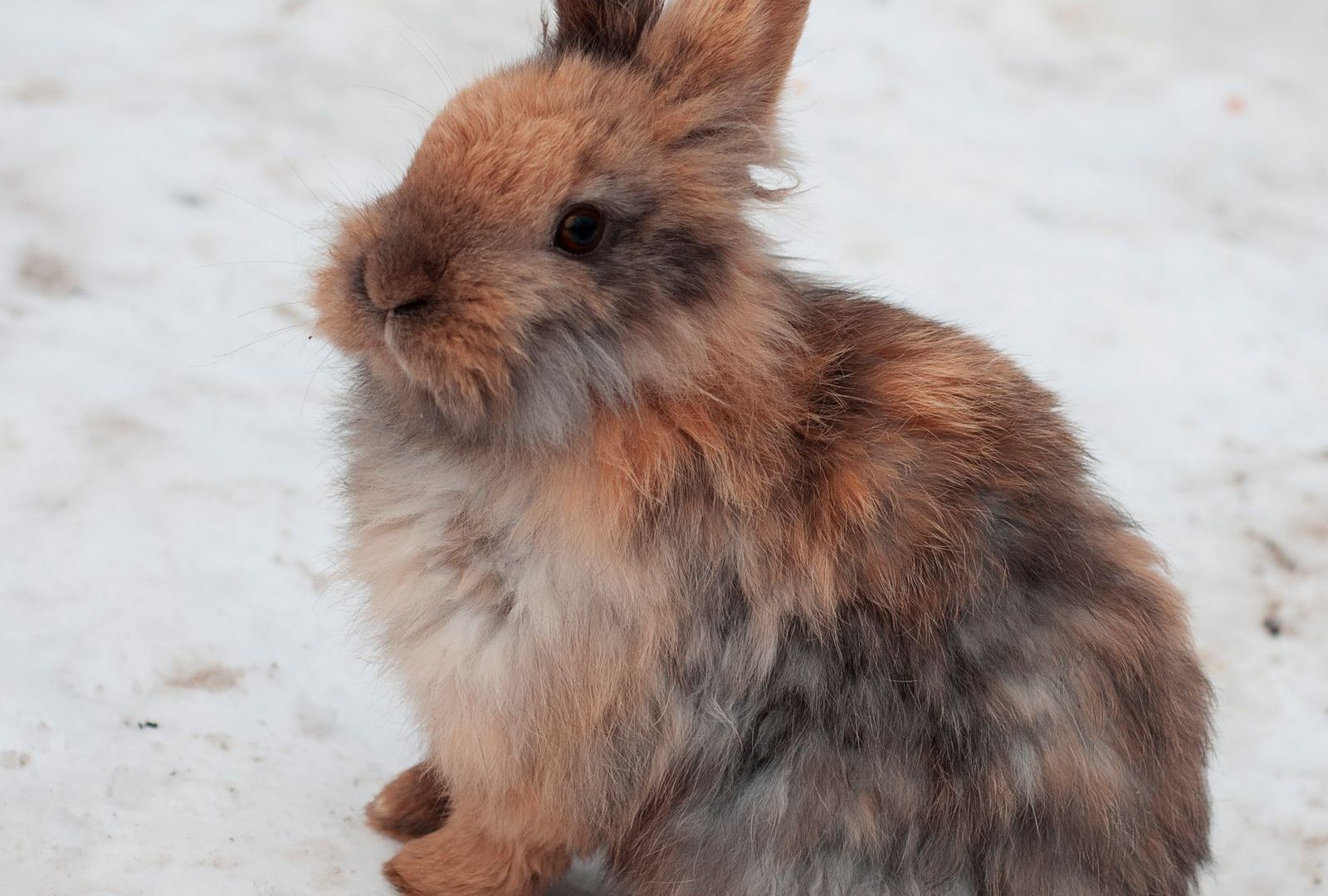
As the temperature drops, every rabbit owner asks the same worried question: will my bunny be warm enough? It is a fair concern — a cold, damp hutch can make a rabbit miserable or sick.
Here is the good news: rabbits handle cold far better than heat, as long as they stay dry and out of drafts. With a few simple steps, your bunny can be cozy and safe all winter. In this guide you will learn the safe temperature range, how to warm both outdoor and indoor rabbits, how to stop water freezing, and the warning signs of a rabbit that is too cold. Let us get your bunny winter-ready. ❄️🐰
Wild rabbits survive freezing winters in burrows, and your pet has the same tough biology. The dangers are not cold air itself, but damp, wind, and drafts. Get those under control, add cozy bedding, and your rabbit will be just fine when the frost arrives.
Can Rabbits Really Handle Cold Weather?
Yes — a healthy rabbit tolerates cold much better than heat. Rabbits grow a thicker coat in autumn and are well-built for chilly weather. Many happily live outdoors through winter when their home is set up correctly.
Why dry and draft-free is everything: the real enemies of a winter rabbit are dampness and wind. Wet fur loses its insulating power, and a cold draft strips away body heat. A dry, wind-blocked, well-bedded hutch keeps a rabbit warm even in freezing temperatures. Damp cold, not dry cold, is what makes rabbits ill.
Who needs extra care: babies, elderly rabbits, sick bunnies, and thin or small breeds feel the cold more. If your rabbit is very young, old, or unwell, give it extra warmth or bring it somewhere sheltered during hard freezes.
Rabbits do not fear the cold nearly as much as the damp. Keep your bunny dry and out of the wind, and winter becomes easy to handle.
Safe Temperature Range for Rabbits in Winter
Rabbits are comfortable in cool conditions and can cope with temperatures around and even below freezing when properly housed. Use this quick guide.
| Temperature | Comfort level | Action |
|---|---|---|
| Above 40°F (4°C) | ✅ Easy | Normal winter care |
| 32–40°F (0–4°C) | 🙂 Fine | Extra bedding, block wind |
| 20–32°F (-6–0°C) | ⚠️ Watch closely | Insulate hutch, check water |
| Below 20°F (-6°C) | 🔵 Hard freeze | Add heat pad or move to shelter |
How to Keep Outdoor Rabbits Warm
An outdoor hutch can be perfectly cozy in winter with a few upgrades. Work through these steps before the cold sets in.
- Block the wind. Move the hutch against a wall or into a shed, and turn its open side away from prevailing wind.
- Cover the hutch. Use an insulated hutch cover or a tarp at night, leaving a gap for airflow so moisture can escape.
- Pile on bedding. Add a deep layer of clean, dry straw — straw insulates better than hay for warmth — so your rabbit can burrow in.
- Raise it off the ground. Legs keep the floor away from cold, damp earth and improve drainage.
- Add a snuggle heat pad. On the coldest nights, a microwavable pet heat pad gives safe, cord-free warmth to snuggle against.
- Keep it dry. Check daily for damp bedding or leaks and replace anything wet right away.
Insulated Rabbit Hutch Cover
The easiest winter upgrade. A weatherproof, insulated hutch cover blocks wind, rain, and snow while keeping precious body heat in — turning a chilly hutch into a cozy winter den.
- Windproof and waterproof to defend against the real winter dangers
- Insulating layer holds in warmth on freezing nights
- Roll-up front for daytime airflow and easy access
- Breathable design lets moisture escape so bedding stays dry
As an Amazon Associate we earn from qualifying purchases. Affiliate links never decide what we recommend.
How to Keep Indoor Rabbits Comfortable
Indoor rabbits rarely get too cold, but a few tweaks keep them cozy and safe through winter.
- Move the pen away from drafts. Keep it clear of drafty doors, windows, and air vents.
- Lift it off cold floors. A rug or mat under the enclosure stops chill rising from tile or concrete.
- Offer a hideout with soft bedding. A cozy den lets your rabbit snuggle in and hold its warmth.
- Avoid overheating. Do not place the pen right beside a heater — rabbits handle cool far better than hot, dry heat.
Winter Water: Stop It Freezing
Frozen water is one of the biggest winter dangers — a rabbit with no water can quickly develop a dangerous gut slowdown. Bottle spouts freeze first and block silently.
- Use bowls over bottles. Bowls freeze more slowly and are far easier to swap when iced over.
- Check water several times a day. Do not assume a full container means drinkable water.
- Insulate the bottle. A foam cover or sock slows freezing if you must use a bottle.
- Add warm water on refills. Topping up with slightly warm water buys extra time before it freezes.
Signs a Rabbit Is Too Cold
Healthy, well-housed rabbits rarely get dangerously cold, but knowing the warning signs lets you act fast.
- Cold ears and feet that stay cold even in shelter.
- Hunched, shivering, and fluffed up in a tight ball.
- Lethargy and reluctance to move or eat.
- Very slow, shallow breathing in severe cases.
Common Winter Mistakes (and Fixes)
Pro Tips From Experienced Keepers
- Bond a pair for winter. Two bonded rabbits snuggle and share body heat — natural warmth, all night long.
- Feed a little extra hay. Digesting fiber generates body heat, so keep that hay rack full.
- Prep before the first freeze. Set up covers, straw, and heat pads before the cold snap, not during it.
- Do a daily damp check. Dry bedding is the whole game — check it every single day.
- Keep a spare water bowl indoors. Swap a warm bowl for a frozen one in seconds on icy mornings.
Real-Life Example: The Damp Hutch Lesson
A story shared often in rabbit groups: an owner worries their outdoor rabbit is shivering through winter, even though the hutch is “sturdy.” Experienced keepers ask the key question: is it dry and out of the wind? It turns out rain was blowing in one side and the bedding was damp. The advice: block that side, add deep dry straw, cover the hutch at night, and raise it off the ground.
Within days the rabbit is snug and content, riding out the frost with ease. The community lesson repeats every winter: rabbits rarely suffer from cold alone — they suffer from damp and drafts. Fix those, pile on the straw, and your bunny will be perfectly happy in the snow.
Frequently Asked Questions
Can rabbits live outside in winter?
Yes, healthy rabbits can live outdoors in winter if their hutch is dry, wind-blocked, well-insulated, and packed with deep straw. Dampness and drafts are the real dangers, not cold air.
What temperature is too cold for rabbits?
Rabbits cope well around and even below freezing when properly housed. Below about 20°F (-6°C), add a heat pad or move vulnerable rabbits to shelter.
Should I bring my outdoor rabbit inside for winter?
Not usually necessary for a healthy, well-housed rabbit. But babies, seniors, sick rabbits, and those in extreme cold benefit from a sheltered spot like a shed or garage.
How do I stop my rabbit’s water freezing?
Use bowls instead of bottles, check water several times a day, insulate containers, and refill with slightly warm water. A frozen bottle can leave a rabbit without water for hours.
What bedding keeps rabbits warmest?
Deep, dry straw is best for warmth because rabbits can burrow into it and it insulates well. Keep separate fresh hay for eating.
Your Winter Rabbit Care Checklist ✅
- Hutch blocked from wind and moved to shelter
- Insulated cover on for cold nights (with airflow gap)
- Deep, dry straw for burrowing and warmth
- Hutch raised off cold, damp ground
- Water checked several times a day for freezing
- Bowls used instead of freeze-prone bottles
- Extra hay to fuel body heat
- Vulnerable rabbits given extra shelter
Winter does not have to be scary for rabbit owners. Keep the hutch dry and draft-free, pile on the straw, stop the water freezing, and watch the vulnerable ones. Do that, and your bunny will stay warm, cozy, and content — even when there is snow on the ground. ❄️🐇
Keep exploring: handle the other extreme with our summer cooling guide, keep air healthy with our ventilation guide, and give a pair shared warmth with our bonding guide.
Related buying guides
What to look for before you buy. These guides contain clearly labelled Amazon affiliate links.
Related guides
The Apartment Rabbit System
A complete small-space rabbit setup for apartments and condos — a roomy pen, smart vertical layout,…
Do Rabbits Smell? Odor-Free Rabbit Care
"Do rabbits smell?" It is one of the biggest worries for anyone thinking about a house…

Rabbit Cage & Habitat Setup Guide
Bringing home a rabbit soon? The home you build for it will shape its whole life.…