How to Bond Two Rabbits: A Step-by-Step Bonding Guide
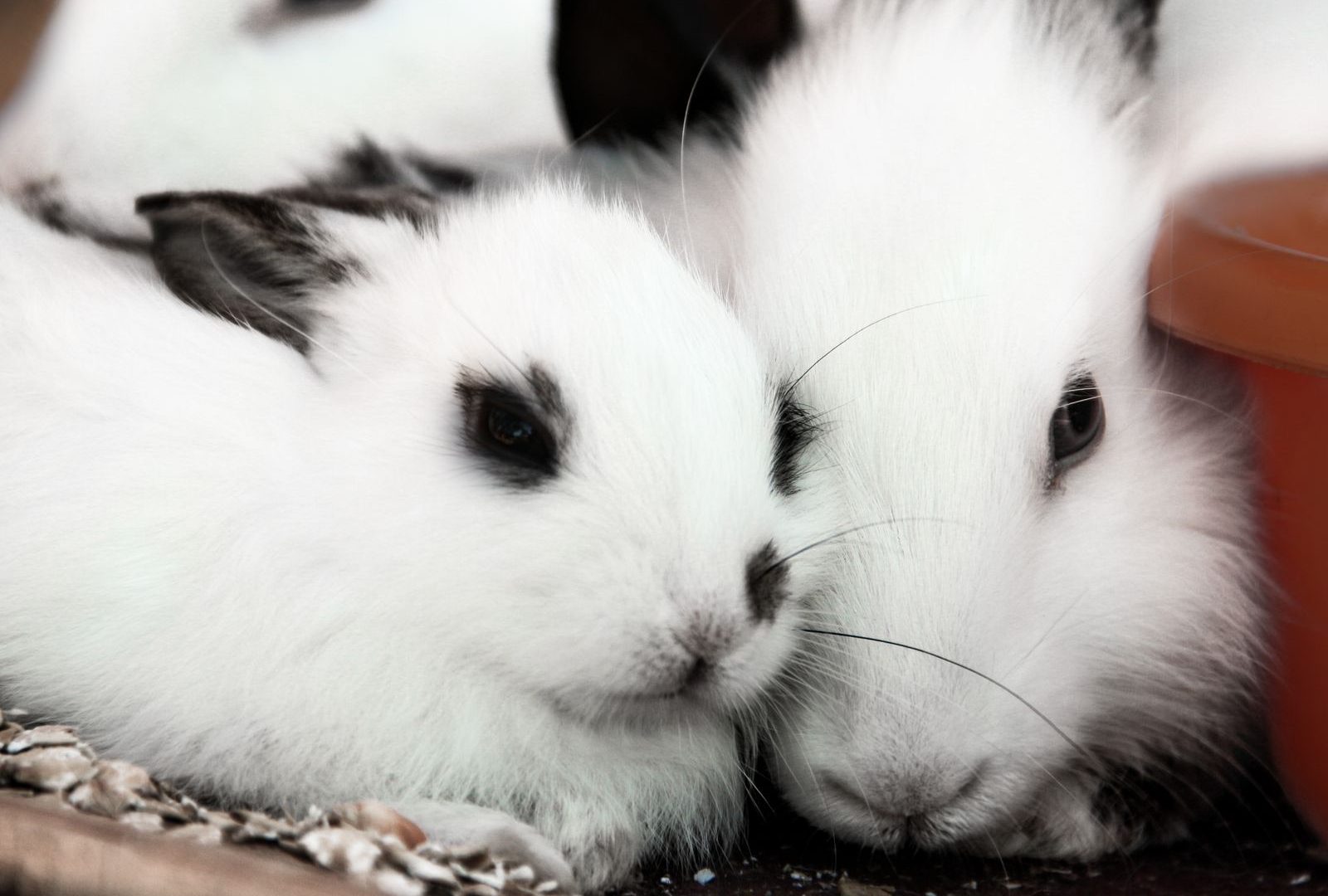
Thinking about giving your rabbit a friend? It could be the best gift you ever give them. Rabbits are social animals that get lonely on their own. A bonded partner brings comfort, play, and company all day long.
But here is the catch: you cannot just put two rabbits together and hope for the best. That often ends in fights. The good news is that bonding rabbits is a skill anyone can learn. In this guide you will get a calm, step-by-step plan to bond two rabbits safely, read their body language, avoid the common mistakes, and end up with a happy, snuggly pair. 🐰🐰
Bonding (sometimes called “mating for friendship”) is the slow, gentle process of helping two rabbits become friends for life. Done right, it is one of the most rewarding parts of rabbit keeping. Done in a rush, it can go wrong fast. This guide keeps you on the safe, successful path.
Why Bond Two Rabbits?
Rabbits are herd animals — in the wild they live in groups and are almost never alone. A solo pet rabbit relies on you for all its company, but you cannot be there 24 hours a day. A bonded friend fills that gap in a way no human or toy can.
Why it matters so much: bonded rabbits groom each other, cuddle for warmth, play together, and feel safer as a team. This lowers stress and boredom, which are behind many “problem” behaviors like chewing and depression. Studies of rabbit welfare and years of rescue experience agree: most rabbits are happier and healthier in pairs.
The bonus for you: a bonded pair is often easier to care for, not harder. They entertain each other, so you see less destructive boredom. Watching two rabbits flop side by side or wash each other’s ears is pure joy. It is one of the sweetest things in pet keeping.
A lonely rabbit is a stressed rabbit. For most bunnies, the greatest enrichment you can offer is not a toy — it is a friend.
Before You Start: Spay and Neuter First
This is the single most important rule of bonding, so please do not skip it. Both rabbits should be spayed or neutered before you try to bond them. Hormones are the number-one cause of bonding failures and fights.
Why it is essential: un-fixed rabbits are driven by hormones to fight for territory and to mate. Even two friendly rabbits will often turn aggressive if one or both are not fixed. Fixing them removes that hormonal drive, so they can form a calm, lasting friendship. It also prevents unwanted litters and protects health — female rabbits have a high risk of uterine cancer if left un-spayed.
How long to wait: after surgery, wait about 4 to 6 weeks before bonding. This lets hormones fully settle and gives each rabbit time to heal. Rushing this step is the most common reason bonding goes wrong.
How Long Does Bonding Take?
There is no fixed timeline. Some rabbits click in days; others take months. Patience is your best tool. Here is a rough guide based on common pairings.
| Pairing | Typical difficulty | Rough timeline |
|---|---|---|
| Neutered male + spayed female | Easiest (most recommended) | Days to a few weeks |
| Two females | Medium — can be territorial | Weeks |
| Two males | Harder — needs patience | Weeks to months |
| Baby rabbits (littermates) | Easy until hormones hit | May need re-bonding after fixing |
Step-by-Step: How to Bond Two Rabbits
Follow these steps slowly. Never force contact. The whole idea is to build good feelings and trust before the rabbits ever share a space.
- Set up separate homes side by side. Keep the rabbits in two pens next to each other (with a barrier) so they can see and smell each other safely for a week or two.
- Swap scents. Swap their litter boxes, toys, or blankets daily so each rabbit gets used to the other’s smell. This builds familiarity before they meet.
- Meet in neutral territory. Choose a space neither rabbit owns — a bathroom, a hallway, or a new pen. Neutral ground stops territory fights.
- Keep first dates short. Start with 10 to 20 minutes. Stay close, watch carefully, and have a towel or dustpan ready to separate if needed.
- Look for calm, positive signs. Grooming, lying near each other, and ignoring each other are all good. End each date on a good moment.
- Slowly increase time together. As dates go well, make them longer and try new neutral spaces. Never rush to a full day.
- Move in together only when ready. When they groom, eat, and rest side by side with no tension, move them into one thoroughly cleaned, neutral home.
Reading Rabbit Body Language During Bonding
Learning to read your rabbits keeps everyone safe. Some behaviors are green lights; others mean “separate now.” Use this quick guide during every date.
| ✅ Good signs | ⚠️ Warning signs | |
|---|---|---|
| Grooming each other | Circling and chasing fast | |
| Lying down side by side | Ears pinned back, tail up | |
| Ignoring each other calmly | Boxing with front paws | |
| Eating hay together | Lunging or biting | |
| One asking the other to groom (head down) | Fur flying or a tight ball of fighting |
Some chasing and mounting early on is normal as the rabbits sort out who is in charge. As long as it does not turn into biting or a fur-flying fight, let them work it out under close watch.
Rabbit Exercise Pen (Neutral Bonding Space)
The safest place to bond. A roomy, foldable exercise pen gives you a neutral, escape-proof space that neither rabbit owns — the ideal setup for calm, controlled bonding dates.
- Neutral territory — no rabbit “owns” it, which prevents turf fights
- Foldable and portable so you can create fresh neutral spaces
- Tall, secure panels keep both rabbits safely contained during dates
- Doubles as a playpen for daily exercise long after bonding
As an Amazon Associate we earn from qualifying purchases. This never changes our editorial picks.
Best Bonding Techniques That Really Work
Beyond the basic steps, experienced keepers use a few gentle tricks to speed things along. Try these once your rabbits are meeting calmly.
Side-by-side feeding
Offer hay or a favorite green so both rabbits eat next to each other. Sharing a positive experience like food builds good feelings fast.
Shared positive events
Some rabbits bond faster when they go through a mildly new experience together, such as a short car ride in one carrier or a new room to explore. Facing something unfamiliar as a team draws them closer. Keep it gentle and never truly frightening.
Grooming help
If one rabbit grooms the other, that is gold. You can encourage it by lightly petting both rabbits’ heads at the same time so they associate calm touch with being together.
Bonding is not about forcing rabbits to like each other. It is about stacking up good moments until friendship feels natural.
Signs Your Rabbits Are Fully Bonded
How do you know when it is safe to leave them together for good? Watch for these clear signs of a solid bond:
- Grooming each other regularly, especially around the head and ears.
- Flopping and resting side by side, often touching.
- Eating from the same hay pile with no tension.
- Following each other around the space.
- Sharing the litter box and toys peacefully.
Once you see these behaviors consistently for several days, your rabbits are bonded. Keep their new shared home clean and spacious, and enjoy the friendship you helped create.
Common Bonding Mistakes (and Fixes)
Pro Tips From Experienced Keepers
- Keep a bonding diary. Note what went well each day so you can see progress and spot patterns.
- End every date on a good note. Stop while things are calm, not after tension builds.
- Clean the shared home deeply before move-in day so no old scent triggers territory behavior.
- Have a two-pen backup plan. If bonding stalls, side-by-side living still gives company through the bars while you keep trying.
- Ask a rescue for help. Many rabbit rescues offer “bonding services” or advice — a huge help for tricky pairs.
Real-Life Example: A Rocky Start With a Happy Ending
A story shared often in rabbit groups: an owner introduces two rabbits, they instantly chase and box, and the owner panics that they will never get along. Experienced keepers reassure them: slow down, go back to side-by-side pens, swap scents daily, and try short neutral dates again.
Weeks later, the same owner shares a photo of the two rabbits grooming each other and flopped together in a happy pile. The rocky start turned into a deep bond. The lesson repeats across the rabbit community: early chasing and mounting are normal, and most pairs bond with patience. The owners who succeed are simply the ones who slowed down and did not give up.
Frequently Asked Questions
Do rabbits really need a friend?
Most rabbits are much happier with a bonded partner because they are social animals. If a second rabbit is not possible, you must give lots of daily attention yourself — but a friend is usually best.
How long does it take to bond two rabbits?
Anywhere from a few days to several months. A neutered male and spayed female often bond fastest. Patience is key.
Can two male rabbits bond?
Yes, but it can be harder and takes more patience. Both must be neutered. Two females can also bond, though they may be territorial at first.
Why are my bonded rabbits suddenly fighting?
A “bond break” can happen after a vet visit, illness, a move, or a scare. Rabbits may need re-bonding using the same slow steps. Address the cause and start over gently.
Should I bond rabbits of the same age?
Age matters less than temperament and being fixed. Calm, spayed/neutered rabbits of any age can bond. Match personalities more than birthdays.
Your Rabbit Bonding Checklist ✅
- Both rabbits spayed or neutered (wait 4–6 weeks after)
- Side-by-side pens set up for pre-bonding
- Daily scent-swapping of toys and litter
- First dates in neutral territory only
- Short sessions, watched closely
- Towel or dustpan ready to separate safely
- Time together increased slowly
- Move in together only after consistent grooming and calm resting
Bonding takes patience, but the payoff is priceless: two rabbits who groom, cuddle, and keep each other happy for life. Go slow, stay calm, watch their body language, and trust the process. Soon you will have a snuggly, bonded pair — and a lot more heart-melting moments to enjoy. 🐇❤
Keep exploring: give your pair the right home with our hutch sizing guide, keep them busy with our toys & enrichment guide, and build trust using our gentle handling routine.
You might also like

What Do Rabbits Eat? The Complete Rabbit Diet Guide
Feeding a rabbit sounds simple — until you Google it and get 20 different answers. One site says carrots, another says never…
Read →
Rabbit Grooming Guide: Brushing, Nails, and Shedding Made Easy
Fur on your clothes, fur on the couch, fur floating through the air — and clumps of it stuck to your bunny.…
Read →
Rabbit Body Language: What Your Bunny Is Trying to Tell You
Rabbits do not bark or meow, so it can feel like your bunny is a mystery. Is it happy? Scared? Annoyed? Sick?…
Read →