How Long Do Rabbits Live? Lifespan and How to Help Them Live Longer
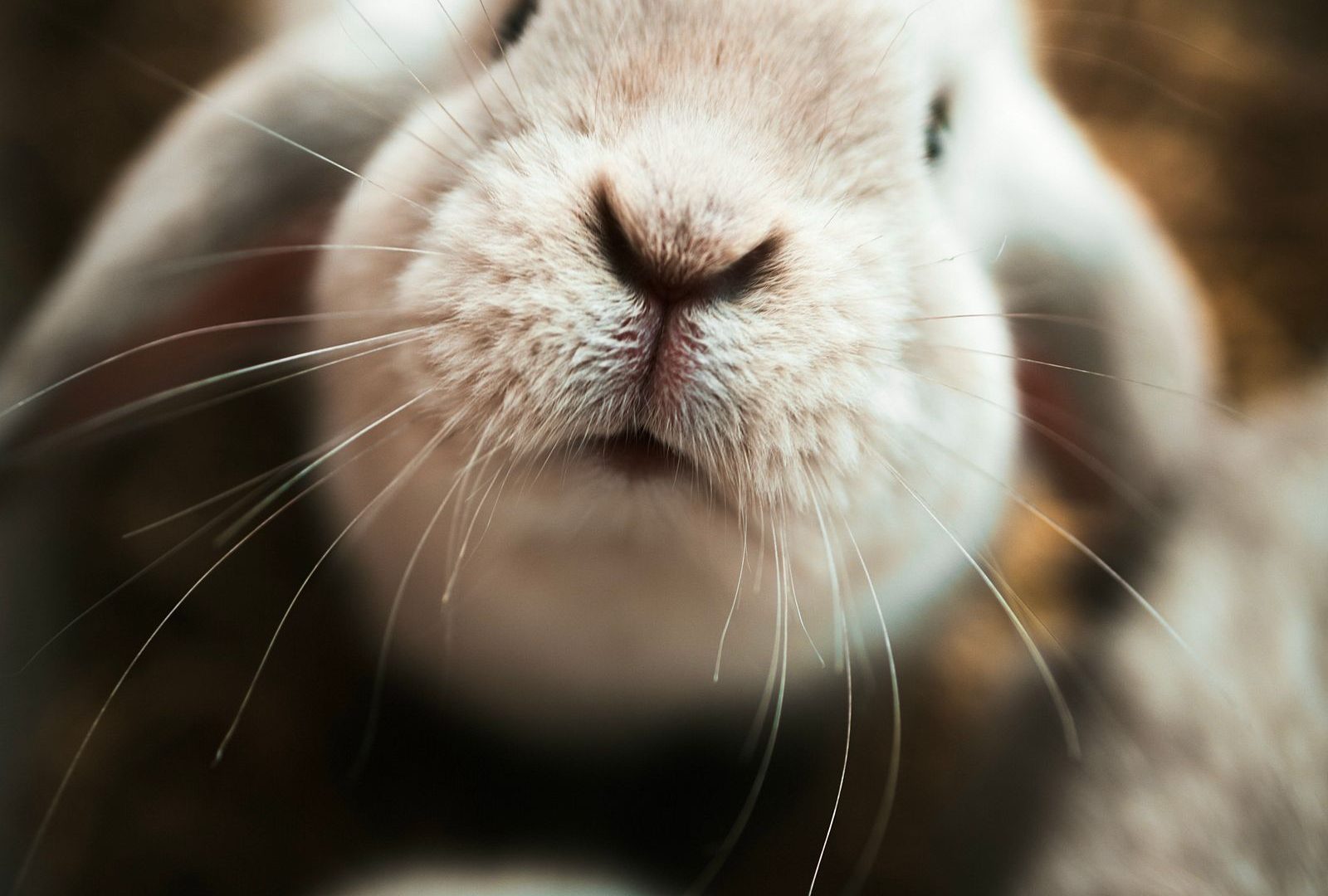
“How long do rabbits live?” It is one of the first things loving owners want to know — and the answer surprises most people. Rabbits live far longer than the “2 or 3 years” many were told as kids.
Here is the wonderful news: a well-cared-for pet rabbit typically lives 8 to 12 years, and some reach even older. Even better, a lot of that lifespan is in your hands. In this guide you will learn the real numbers, which factors matter most, and eight proven ways to help your bunny live a long, healthy, happy life. 🐰🎂
The difference between a rabbit that lives 4 years and one that lives 12 usually comes down to care: diet, housing, vet access, and being spayed or neutered. Understand what shapes lifespan, and you can give your rabbit the best possible chance at a long life by your side.
How Long Do Rabbits Live?
A healthy pet rabbit usually lives 8 to 12 years. That is a real, decade-long commitment — much closer to a dog’s lifespan than the short life many people wrongly expect. Some especially well-cared-for rabbits live to 13 or 14, and record-holders have reached even older.
Why the old “2–3 years” idea is wrong: that outdated number came from an era of poor housing, bad diets, and little veterinary care. With modern knowledge — unlimited hay, roomy housing, spaying and neutering, and access to rabbit-savvy vets — rabbits now live far longer, healthier lives.
What this means for you: adopting a rabbit is a long-term promise. Plan for a decade of daily care, food, and vet costs. In return, you get many years with a bright, affectionate companion — and the power to shape how long and how well it lives.
Forget the old “rabbits only live a couple of years” myth. With good care, a pet rabbit is a decade-long companion — and you influence that lifespan every day.
Rabbit Lifespan by Type
Where and how a rabbit lives makes a big difference to how long it lives. Here is how the numbers compare.
| Type of rabbit | Typical lifespan | Why |
|---|---|---|
| Wild rabbit | 1–2 years | Predators, disease, harsh conditions |
| Outdoor pet rabbit | 5–8 years | Weather and predator stress |
| Indoor pet rabbit | 8–12+ years | Safe, stable, close monitoring |
| Spayed/neutered indoor rabbit | Often the longest | Avoids reproductive cancers |
Do Some Rabbit Breeds Live Longer?
Yes — as a general rule, smaller breeds tend to live longer than giant ones. Small and dwarf breeds often reach the upper end of the range, while very large breeds like Flemish Giants typically have shorter lifespans.
Why size affects lifespan: larger animals often age faster and are more prone to certain health issues, a pattern seen across many species. A dwarf rabbit might live 10–12+ years, while a giant breed may average more like 5–8. Mixed-breed rabbits fall somewhere in between.
The bigger factor is still care: breed sets a rough range, but daily care decides where in that range your rabbit lands. A well-cared-for giant can outlive a neglected dwarf. Focus on great diet, housing, and vet care and any breed gets its best shot at a long life.
Breed gives a rough lifespan range; your care decides where within it your rabbit ends up. Good husbandry beats good genetics.
8 Ways to Help Your Rabbit Live Longer
Here is the part you control. These proven habits give your rabbit the best chance at a long, healthy life.
- Feed unlimited hay. Grass hay is 80% of the diet — it protects teeth and gut, the two biggest health areas.
- Spay or neuter. This prevents reproductive cancers (a major killer in females) and reduces other risks.
- Provide space and exercise. Daily movement keeps weight healthy and bones strong.
- Keep them indoors or well-protected. Safety from predators and weather adds years.
- See a rabbit-savvy vet. Regular checkups and fast action on illness save lives.
- Prevent obesity. Limit pellets and treats; a lean rabbit lives longer.
- Reduce stress. A calm, predictable life — ideally with a bonded friend — supports health.
- Watch daily for illness. Because rabbits hide sickness, early detection is everything.
Premium Orchard Grass Hay
The foundation of a long, healthy life. Unlimited fresh grass hay is the number-one longevity food for rabbits — keeping teeth worn down and the gut moving. Soft, sweet orchard grass is a favorite even with picky eaters.
- High fiber to protect the gut and prevent dangerous slowdowns
- Wears down teeth that never stop growing, avoiding painful dental disease
- Soft and low-dust — gentle on noses and loved by fussy rabbits
- Feed unlimited daily as the core of a longevity-focused diet
As an Amazon Associate we earn from qualifying purchases. This never changes our editorial picks.
The Biggest Lifespan Killers to Avoid
Just as important as the good habits are the mistakes that cut lives short. Steer clear of these and you remove the top threats.
| Killer | Why it shortens life |
|---|---|
| Poor diet (too many pellets, not enough hay) | Dental disease and deadly gut stasis |
| Obesity | Strains organs; linked to many problems |
| No spay/neuter (females) | High rate of uterine cancer |
| No vet care | Treatable illness goes untreated |
| Predators & escapes | Sudden loss, especially outdoors |
| Chronic stress | Weakens health and triggers stasis |
Caring for a Senior Rabbit
Rabbits are often considered seniors from around 5 to 6 years old. With a few adjustments, older bunnies can stay comfortable and thrive for years.
- More frequent vet checks. Twice-yearly visits catch age-related issues early.
- Comfortable bedding. Soft, easy-to-reach resting spots ease stiff joints.
- Watch the weight and appetite. Seniors can lose or gain weight; adjust food gently.
- Easy access. Low litter boxes and ramps help less mobile rabbits.
- Extra grooming. Older rabbits may groom themselves less and need help.
Common Longevity Mistakes (and Fixes)
Pro Tips From Experienced Keepers
- Weigh monthly. Tracking weight catches slow changes that affect health and lifespan.
- Keep hay the star. If in doubt about any diet question, more hay is almost always the answer.
- Build a vet fund. Being able to afford care when needed directly protects lifespan.
- Bond a pair. Companionship lowers stress, which supports a longer, happier life.
- Rabbit-proof and supervise. Preventing accidents and escapes avoids sudden, tragic loss.
Real-Life Example: The 12-Year Bunny
A story shared often in rabbit groups: a long-time owner celebrates their rabbit’s 11th or 12th birthday, and newer owners are amazed — they had no idea rabbits could live so long. Asked their secret, experienced keepers give the same simple answer: unlimited hay, a spayed or neutered rabbit, lots of space and exercise, a good exotic vet, and daily attention.
There is rarely anything fancy about it — just consistent, knowledgeable care over many years. These stories inspire the whole community and shatter the old “rabbits die young” myth. The takeaway is empowering: the length of your rabbit’s life is largely in your hands, and the recipe for a long one is refreshingly simple to follow.
Frequently Asked Questions
How long do pet rabbits live?
Well-cared-for pet rabbits typically live 8 to 12 years, and some reach 13 or 14. This is far longer than the outdated “2–3 years” many people expect.
Do indoor rabbits live longer than outdoor rabbits?
Generally yes. Indoor rabbits avoid predators and extreme weather, and their owners notice health issues sooner, so they often live several years longer.
Which rabbit breeds live the longest?
Smaller and dwarf breeds tend to live longest, often 10–12+ years, while giant breeds average shorter lives. Care matters more than breed, though.
How can I help my rabbit live longer?
Feed unlimited hay, spay or neuter, keep your rabbit at a healthy weight, provide space and safety, see a rabbit-savvy vet, and do daily health checks.
What is the biggest threat to a rabbit’s lifespan?
A poor, hay-deficient diet is the leading factor, causing dental disease and gut stasis. Un-spayed females also face a high risk of uterine cancer.
Your Rabbit Longevity Checklist ✅
- Unlimited grass hay as the main diet
- Rabbit spayed or neutered
- Healthy weight maintained (limited pellets/treats)
- Plenty of space and daily exercise
- Kept indoors or well-protected outdoors
- Regular rabbit-savvy vet checkups
- Daily health checks for hidden illness
- Low-stress life, ideally with a bonded friend
Rabbits can share your life for a decade or more — and how long and how well they live is largely up to you. Feed unlimited hay, get your bunny fixed, keep it safe and active, and stay close to a good vet. Do that, and you give your rabbit the best possible shot at a long, joyful life full of binkies. 🐇🎉
Keep exploring: build the perfect diet with our complete diet guide, catch problems early with our sick-rabbit warning signs guide, and give a safe home with our habitat setup guide.
You might also like
How to Trim Rabbit Nails Safely: A Step-by-Step Guide
Nervous about cutting your rabbit’s nails? You are in very good company. The fear of cutting too far and hurting your bunny…
Read →
How to size a rabbit hutch correctly
Floor space, hop height, grow-out room and ventilation rules of thumb for small, medium, large and giant breeds.
Read →
Predator-aware outdoor rabbitry
Hardware cloth, raised floors, latches, lighting, and night routines for cold-climate and rural sites.
Read →