Can Rabbits Eat That? The Complete Safe Foods List for Rabbits
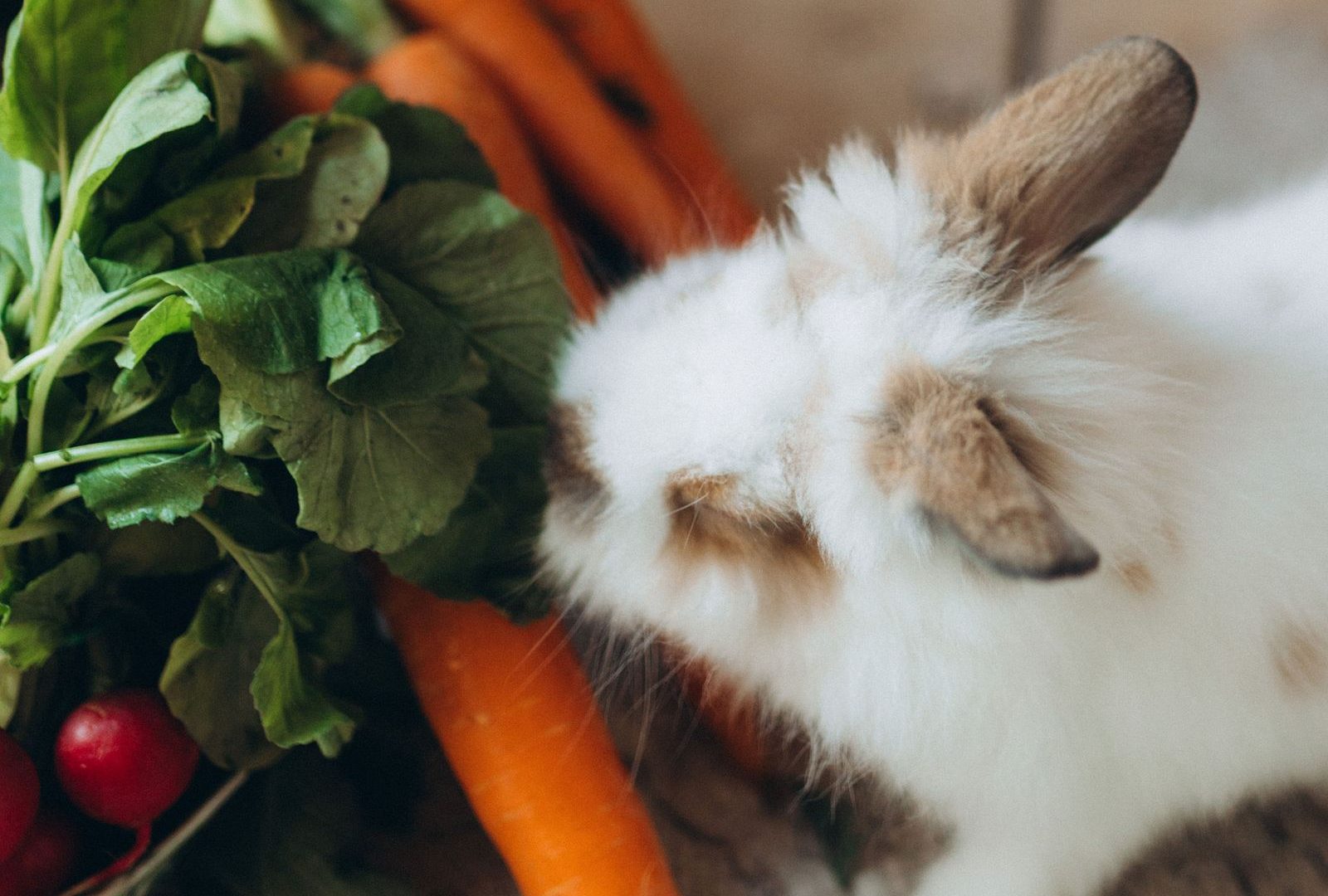
“Can rabbits eat this?” It is the question every owner types into Google, treat in hand, unsure if it is safe. And the internet gives frustratingly mixed answers.
Let us fix that for good. This is your complete, bookmark-worthy safe foods list for rabbits — the vegetables, fruits, and herbs that are safe, the ones to feed sparingly, and the foods you must never give. You will get clear amounts, quick yes/no answers to the most-asked foods, and simple rules to keep your bunny’s tummy happy. 🥬🐰
A rabbit’s diet should be about 80% hay, with fresh greens and a few treats making up the rest. The foods below are the “salad and dessert” part of that plan. Used correctly, they add variety, vitamins, and joy. Used carelessly, they can upset a rabbit’s sensitive gut — so amounts and variety matter.
The Golden Rules of Rabbit Treats
Before any food goes in the bowl, remember three simple rules that keep rabbits safe. These matter more than any single food on the list.
Rule 1 — Hay first, always. Unlimited grass hay is the foundation of a rabbit’s diet. Vegetables, fruit, and treats are extras, not the main meal. If treats crowd out hay, health problems follow.
Rule 2 — Introduce slowly, one at a time. A rabbit’s gut is sensitive. Add one new food, wait 24–48 hours, and check that droppings stay firm before trying another. This catches any food that does not agree with your bunny.
Rule 3 — Keep fruit and sugary veg tiny. Sweet foods feed the wrong gut bacteria. Fruit should be an occasional, thumbnail-sized treat — think teaspoon, not handful. Leafy greens can be more generous.
The safest food in the world becomes risky in the wrong amount. With rabbits, how much and how often matter just as much as what.
Safe Vegetables for Rabbits
Leafy greens are the star of a rabbit’s fresh food. Aim for about one packed cup of greens per 2 pounds of body weight per day, rotated for variety.
| ✅ Feed most days | 🔁 Feed in moderation |
|---|---|
| Romaine & leaf lettuce | Kale |
| Bok choy | Spinach |
| Carrot tops | Broccoli (small amounts) |
| Celery leaves | Bell pepper |
| Dandelion greens | Cucumber |
| Watercress | Zucchini |
Safe Fruits (Occasional Treats Only)
Rabbits adore fruit, and it makes a fantastic training reward — but it is sugary, so keep portions tiny (a thumbnail-sized piece, a couple of times a week).
| Fruit | Safe? | Notes |
|---|---|---|
| Apple (no seeds) | ✅ Yes | Remove seeds — they are toxic |
| Banana | ✅ Yes | Very sugary; tiny slice only |
| Blueberries | ✅ Yes | A couple as a treat |
| Strawberry | ✅ Yes | Small piece; loved by most rabbits |
| Melon | ✅ Yes | Small, seedless piece |
| Pear (no seeds) | ✅ Yes | Occasional small bite |
Safe Herbs and Leafy Greens
Fresh herbs are a healthy, low-sugar treat that most rabbits go wild for. They add variety and can be fed fairly generously alongside other greens.
- Basil — aromatic and popular
- Cilantro (coriander) — a common favorite
- Parsley — nutritious; rotate rather than daily
- Mint — refreshing and well-loved
- Dill — a tasty, safe herb
- Oregano & thyme — safe in smaller amounts
Natural Rabbit Treats
Reward your bunny the healthy way. Natural, hay- and herb-based rabbit treats give you a safe, convenient way to reward good behavior without the sugar overload of fruit or store-brand junk.
- Natural ingredients — hay, herbs, and flowers rabbits love
- No added sugar or fillers like the colorful yogurt drops to avoid
- Perfect for training, bonding, and litter-box rewards
- Portion-friendly so treats stay small and occasional
As an Amazon Associate we earn from qualifying purchases. This never changes our editorial picks.
Foods You Must NEVER Feed Rabbits
Some foods are genuinely dangerous. Keep these away from your rabbit completely, and make sure everyone in the household knows the rules.
| ❌ Never feed | Why |
|---|---|
| Chocolate & candy | Toxic to rabbits |
| Bread, pasta, crackers, cereal | Starchy; causes gas & stasis |
| Avocado | Contains toxic persin |
| Onion, garlic, leeks, chives | Damage blood cells |
| Potato & rhubarb | Toxic compounds |
| Iceberg lettuce (large amounts) | Watery; can cause diarrhea |
| Meat, dairy, eggs | Rabbits are strict herbivores |
| Nuts, seeds, corn | Too fatty; choking & blockage risk |
How to Introduce New Foods Safely
A sensitive gut means new foods should always be added carefully. Follow these steps every time.
- Start with a tiny amount. Offer just a small piece of one new food.
- Wait 24–48 hours. Watch your rabbit and check that droppings stay firm and normal.
- Add only one new food at a time. That way, if something disagrees, you know exactly what caused it.
- Wash everything. Rinse produce well and serve it at room temperature, not fridge-cold.
- Skip it if droppings change. Soft stool means that food does not suit your rabbit — remove it.
“Can Rabbits Eat…?” Quick Answers
Here are fast, clear answers to the foods rabbit owners ask about most:
- Carrots? Yes — but as a sugary treat, not daily. Carrot tops are healthier.
- Lettuce? Yes to romaine and leaf lettuce; avoid watery iceberg.
- Bananas? Yes, a tiny slice occasionally — very sugary.
- Cucumber? Yes, in moderation; it is mostly water.
- Tomatoes? The ripe flesh in small amounts only — never the leaves or stems, which are toxic.
- Broccoli? Small amounts; can cause gas, so go easy.
- Grapes? Yes, one or two as a rare treat — very sugary.
- Bread? No — starchy and dangerous for the gut.
For nearly every treat food, the answer is “yes, but only a little.” Hay and greens are the meal; everything sweet is just a small, occasional bonus.
Common Feeding Mistakes (and Fixes)
Pro Tips From Experienced Keepers
- Use herbs as rewards. Mint and basil are healthy, low-sugar treats rabbits adore.
- Scatter-feed greens. Hiding greens turns dinner into enrichment and slows fast eaters.
- Keep a food journal. Note new foods and any droppings changes — helpful for you and your vet.
- Buy organic when you can. Or wash produce thoroughly to remove pesticides.
- Grow your own. A pot of rabbit-safe herbs gives fresh, free, pesticide-free treats.
Real-Life Example: The Too-Many-Treats Tummy
A story shared often in rabbit groups: an excited new owner spoils their bunny with fruit and carrots every day, then panics when the rabbit develops soft, smelly droppings and starts ignoring its hay. Experienced keepers know the cause instantly: too much sugar. Cut the treats right back, offer only hay and a little greens for a few days, and let the gut reset.
Within days, the rabbit’s droppings firm up and its hay appetite returns. The owner learns the lesson so many do: rabbits will happily eat themselves sick on sweet foods, just like kids with candy. Treats are wonderful in tiny amounts — but hay must always be the main event. Moderation keeps the tummy happy.
Frequently Asked Questions
What vegetables can rabbits eat every day?
Leafy greens like romaine, leaf lettuce, bok choy, carrot tops, and herbs can be fed most days. Rotate 3–5 types across the week for balance.
Can rabbits eat carrots?
Yes, but only as an occasional treat — carrots are high in sugar. Carrot tops (the greens) are much healthier and can be fed more often.
What fruits are safe for rabbits?
Apple (no seeds), banana, blueberries, strawberry, melon, and pear are safe in tiny, occasional amounts because they are sugary.
What foods are toxic to rabbits?
Chocolate, avocado, onion and garlic, potato, rhubarb, bread and other starches, meat and dairy, and nuts or seeds are dangerous. Never feed these.
How much treat food can a rabbit have?
Keep fruit and sugary veg to a thumbnail-sized piece a couple of times a week. Hay should always make up about 80% of the diet.
Your Safe Feeding Checklist ✅
- Unlimited grass hay as the main diet (about 80%)
- A rotating variety of safe leafy greens daily
- Fruit only as a tiny, occasional treat
- Herbs used as healthy low-sugar rewards
- All seeds, pits, leaves, and stems removed
- New foods introduced one at a time
- No toxic foods within reach
- Droppings checked after any diet change
Now you never have to guess again. Bookmark this list, feed hay first, keep treats small, and introduce new foods slowly. Do that, and you can safely share a rainbow of tasty greens, herbs, and occasional fruits with your bunny — keeping mealtimes fun, varied, and totally safe. 🐇🥕
Keep exploring: get the full feeding plan in our complete diet guide, keep water right with our watering guide, and spot tummy trouble early with our sick-rabbit warning signs guide.
You might also like
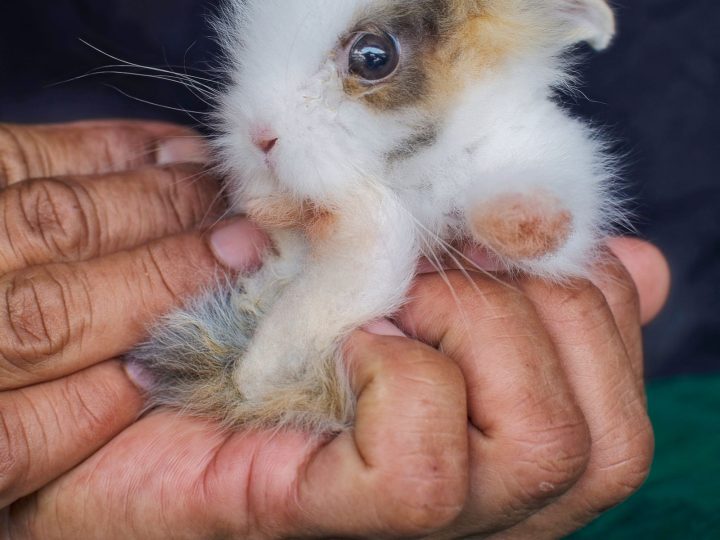
A gentle handling routine
Calm pickups, body checks, and stress-free weighing for record-keepers and family farms.
Read →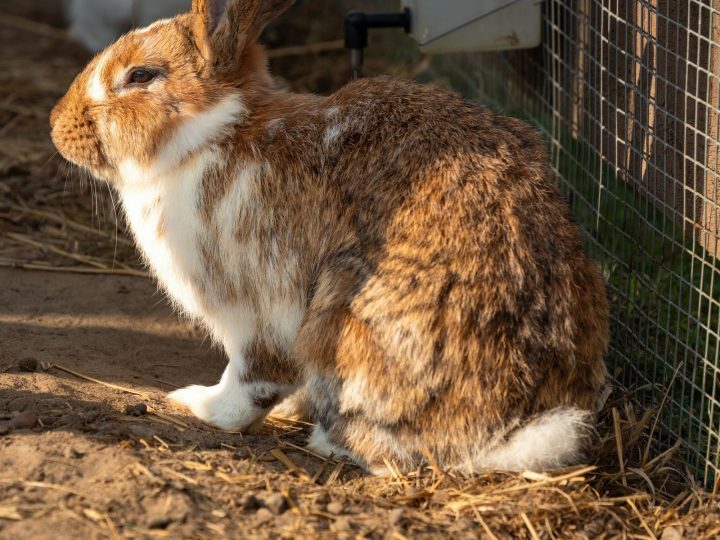
Predator-aware outdoor rabbitry
Hardware cloth, raised floors, latches, lighting, and night routines for cold-climate and rural sites.
Read →
How to Tell if Your Rabbit Is Sick: Warning Signs Every Owner Should Know
Here is the scariest thing about rabbits: they hide illness until they are very sick. By the time a rabbit looks obviously…
Read →