How to size a rabbit hutch correctly
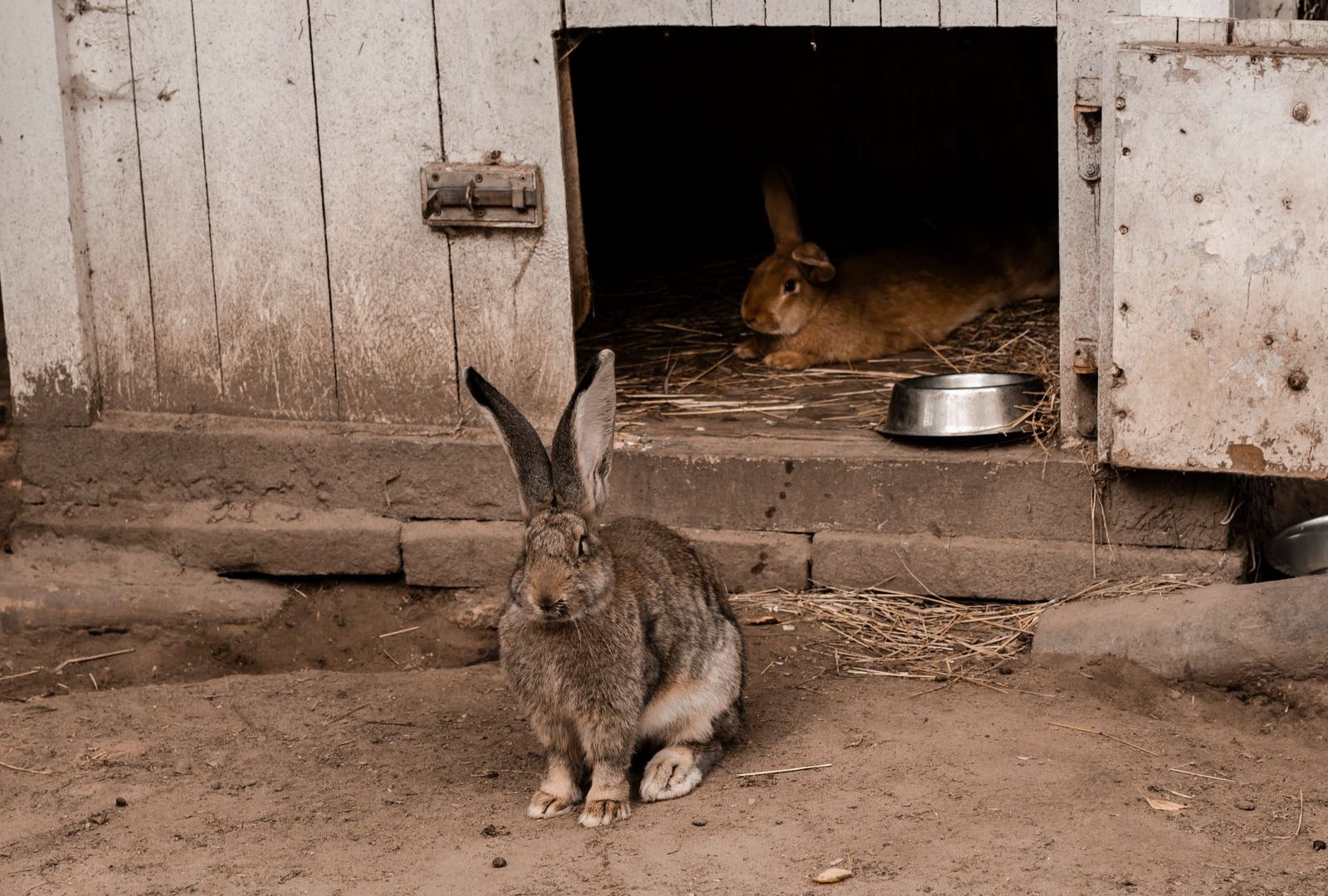
Getting hutch size right is the single most important welfare decision a new rabbit keeper makes. Too small and you invite sore hocks, boredom, aggression and slow growth. Oversized is almost never a problem. Treat the numbers below as sensible minimums, then add space wherever you can.
The golden rule: three hops and a full stand-up
A healthy adult rabbit should be able to take at least three consecutive hops along the longest wall and stand fully upright on its hind legs without its ears brushing the roof. If it can do both comfortably, you are usually in a safe range. Everything below simply translates that principle into measurements.
Minimum floor space by breed size
Floor area matters more than height, because rabbits spend most of the day on the ground. Per adult rabbit, aim for at least:
| Breed size | Typical weight | Min. floor / rabbit | Min. hop height |
|---|---|---|---|
| Small (Netherland Dwarf, Polish) | Under 4 lb | 4 sq ft | 18 in |
| Medium (Mini Rex, Dutch) | 4–7 lb | 6 sq ft | 22 in |
| Large (New Zealand, Californian) | 8–11 lb | 8 sq ft | 24 in |
| Giant (Flemish Giant) | 12 lb+ | 12 sq ft | 30 in |
These are living-space minimums, not exercise limits. Rabbits also need daily time in a larger run or exercise pen to stay sound and content.
Sizing for more than one rabbit
Space is additive: two medium rabbits need roughly double a single rabbit’s floor, not the same box shared. For group or colony housing, add about 40% on top of the per-rabbit figure to reduce territorial friction and give each animal room to retreat. Bonded pairs settle faster when neither feels cornered.
Don’t forget grow-out room
If you breed, a doe with a litter needs roughly 1.5 to 1.6 times the normal floor area once kits are moving around. Plan to separate growing rabbits by sex at about 10–12 weeks to prevent unplanned litters and fighting, and make sure your grow-out pen is sized for that jump.
Height, levels and hop room
Give at least the hop height in the table so rabbits can sit up to survey their surroundings — a natural, calming behaviour. A second level or ramp adds usable area without a larger footprint, but keep drops gentle: hard falls cause injuries, especially in heavier breeds.
Ventilation is part of sizing
A correctly sized hutch still fails if air stagnates. Ammonia from urine builds up fast in a tight, poorly vented box and irritates the respiratory tract. Design for cross-flow — vents low and high on opposite sides — and never seal a hutch tight to keep it warm. See our guide on ventilation without drafts for the details.
Common sizing mistakes
- Buying by the pet-store label (“rabbit cage”) rather than measuring against the breed.
- Counting a wire run or attached ramp as living space — floor is what counts.
- Forgetting the doe-plus-litter jump in space once kits are active.
- Choosing height over floor area; rabbits need room to stretch out and flop.
- Sealing the hutch for warmth and trapping ammonia.
Quick checklist
- Three hops along the longest wall? ✔
- Full stand-up without ear contact? ✔
- Floor area at or above the breed minimum, per rabbit? ✔
- Extra 40% for groups, extra 50–60% for a doe with litter? ✔
- Cross-flow ventilation without a direct draft at rabbit level? ✔
This is general husbandry guidance, not veterinary advice. Individual rabbits and breeds vary — if you have concerns about your rabbit’s health, comfort or growth, consult a rabbit-savvy veterinarian.
You might also like
A gentle handling routine
Calm pickups, body checks, and stress-free weighing for record-keepers and family farms.
Read →
Traveling With a Rabbit: Carrier Guide
A vet visit, a house move, or a holiday — sometimes your rabbit has to travel, and that can feel stressful for…
Read →
Best Rabbit Breeds for Beginners
Ready to bring home a rabbit but overwhelmed by all the breeds? Lops, Rexes, Lionheads, giants — there are more than 50…
Read →