Best Rabbit Winter Care & Hutch Covers
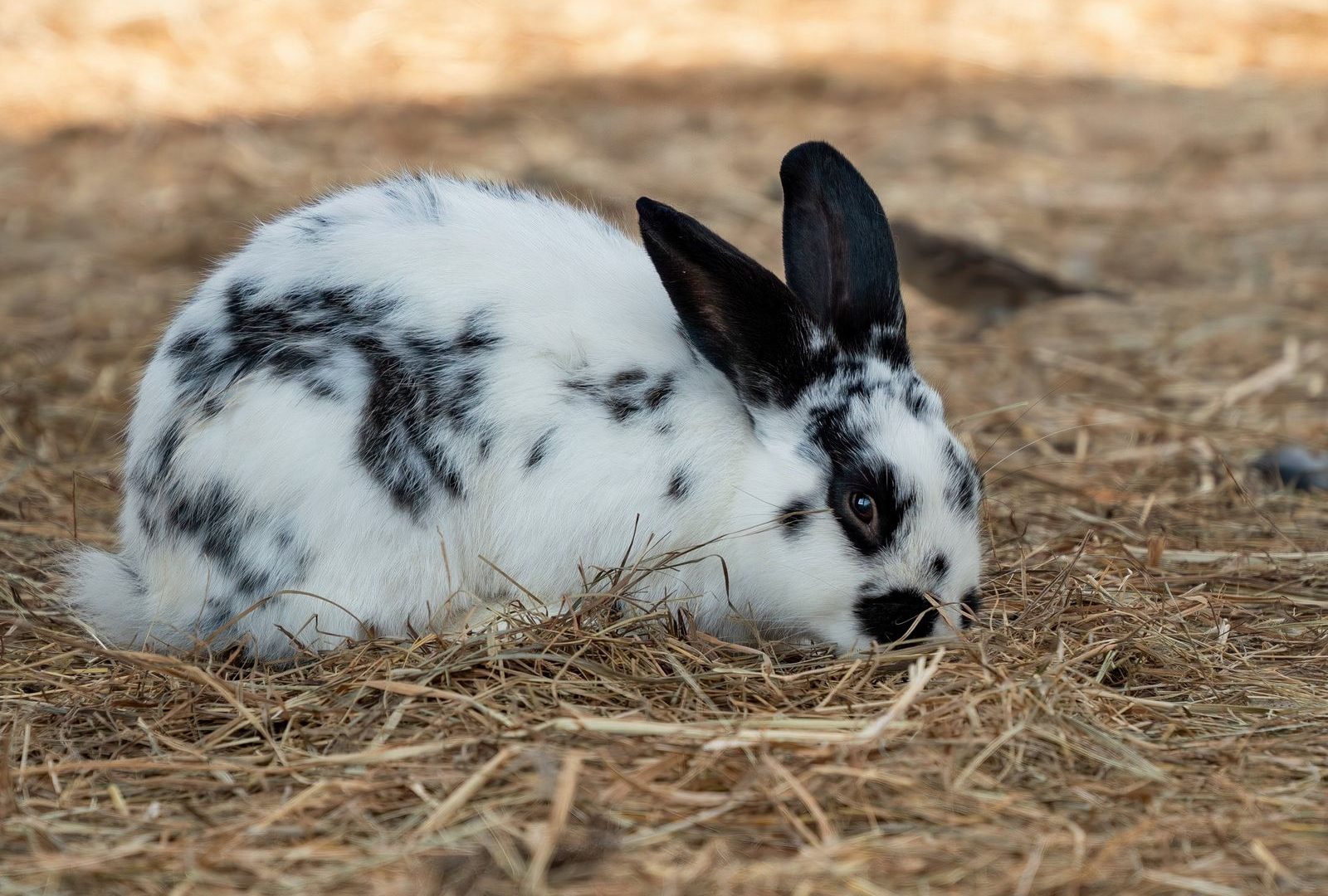
Rabbits handle cold far better than heat — but that does not mean winter is worry-free. Wind, damp, and frozen water are the real dangers, and a little cold-weather gear keeps outdoor bunnies cozy and safe.
This guide covers the best rabbit winter care gear: hutch covers, extra bedding, water-freeze solutions, and draft protection. Prepare properly and your rabbit will ride out the coldest months comfortably. ❄️🐰
With their thick coats, healthy rabbits are surprisingly cold-hardy — wild rabbits live outdoors all winter. The trick for pet rabbits is protecting them from what they cannot handle: wind, wet, and frozen water. Here is how to winter-proof your rabbit’s home.
Cold Is Fine — Wind, Wet & Ice Are Not
Healthy rabbits tolerate cold well; what harms them is wind chill, damp, and frozen water. Winter care is really about blocking those three things, not just adding warmth.
Why cold alone is okay: a rabbit’s dense coat insulates it well, and acclimatized outdoor rabbits cope with genuinely low temperatures. Sudden swings and dampness are far more dangerous than steady cold.
The real threats: wind strips away body heat, wet fur loses its insulation and leads to chilling, and frozen water bottles leave rabbits unable to drink. Good winter gear targets exactly these — a windproof, dry, well-bedded hutch with unfrozen water is what keeps a rabbit safe.
Rabbits do not fear the cold — they fear the wind, the wet, and the ice. Block those three, and a healthy rabbit winters comfortably outdoors.
Hutch Covers
A weatherproof hutch cover is the single most valuable piece of winter gear for an outdoor rabbit.
- Blocks wind and rain. A cover shields the hutch from the wind chill and damp that cause real harm.
- Adds insulation. An insulated or lined cover traps warmth around the sleeping area.
- Keeps ventilation. The best covers shelter the hutch while still allowing airflow to prevent condensation.
- Easy on and off. A cover you can lift for daily care and roll down at night is ideal.
Weatherproof Insulated Hutch Cover
Wind, rain, and cold, blocked. A weatherproof, insulated hutch cover shields your rabbit’s home from the wind chill and damp that make winter dangerous — while still allowing the ventilation rabbits need to stay healthy through the cold months.
- Windproof & waterproof outer layer
- Insulated lining traps warmth around the nest
- Breathable design to prevent condensation
- Roll-up panels for easy daily access
As an Amazon Associate we earn from qualifying purchases. This never changes our editorial picks.
Extra Warm Bedding
Generous, dry bedding lets a rabbit build a cozy nest and burrow in for warmth.
- Deep straw. Straw (not just hay) is the best insulating bedding — rabbits burrow into it to stay warm.
- Extra hay to nest and eat. Piles of hay add warmth and give your rabbit more to munch, which generates body heat.
- A snug sleeping box. An enclosed nest box filled with bedding creates a warm microclimate.
- Keep it dry. Refresh bedding often — damp bedding chills rather than warms.
Stopping Frozen Water
Frozen water is winter’s most common and serious problem — a rabbit cannot go without drinking.
- Check water often. Inspect bottles and bowls at least twice a day in freezing weather.
- Use bowls as backup. Bowls are easier to de-ice than bottle spouts, which freeze solid.
- Insulate the bottle. A bottle cover or a thick sock slows freezing.
- Swap for warm water. Replace frozen water with fresh, lukewarm water during checks.
- Consider heated options. Where power is available, a pet-safe heated bowl prevents freezing.
Draft and Damp Protection
Beyond the cover, position and small fixes keep the hutch dry and wind-free.
- Move the hutch to shelter. Relocate it against a wall or into a shed, out of prevailing wind.
- Raise it off the ground. Legs or blocks keep damp from rising into the hutch.
- Angle away from wind and rain. Face the open side away from the weather.
- Cover the exposed side at night. A partial cover or board blocks night-time wind while keeping airflow.
- Fix leaks promptly. A dry roof is essential — wet bedding is a real cold-weather hazard.
When to Bring Rabbits Indoors
Sometimes the safest winter choice is moving your rabbit to a sheltered space.
| Situation | Recommended action |
|---|---|
| Healthy, acclimatized rabbit | Can stay out with proper winter gear |
| Extreme cold / storms | Move to a shed, garage, or indoors |
| Young, old, or ill rabbits | Bring to a sheltered, warmer space |
| Sudden temperature drop | Give extra shelter until acclimatized |
| Persistent damp | Relocate somewhere dry |
Common Winter Mistakes (and Fixes)
Pro Tips for a Safe Winter
- Prepare before the freeze. Have covers, straw, and a water plan ready before the first cold snap.
- Feed a little extra. Rabbits burn more energy in cold; keep hay unlimited and pellets steady.
- Keep a bonded pair together. Companions snuggle and share warmth.
- Add a snuggle-safe heat pad. A microwavable pet heat pad can warm the nest without electricity.
- Check daily. Short winter days mean quick checks matter — watch for damp, illness, and ice.
Real-Life Example: Winter-Proofing a Hutch
A story outdoor-rabbit keepers know: the first hard frost arrives and an owner finds the water bottle frozen solid one morning and the bedding damp from wind-driven rain. Before the next cold snap, they move the hutch against a sheltered wall, add an insulated weatherproof cover (leaving airflow), pile in deep straw and extra hay, and start checking the water twice a day, swapping it for lukewarm.
The rabbit sails through the rest of winter warm, dry, and hydrated. The lesson experienced keepers repeat: winter care is about blocking wind and wet and keeping water unfrozen, not about heating. A little preparation transforms a cold, risky hutch into a cozy, safe winter home.
Frequently Asked Questions
Can rabbits live outside in winter?
Yes — healthy, acclimatized rabbits tolerate cold well with proper gear. The keys are blocking wind and rain, providing deep dry bedding, and keeping water from freezing.
Do I need a hutch cover in winter?
For outdoor rabbits, a weatherproof cover is the most valuable winter item. It blocks wind and rain while still allowing the ventilation rabbits need.
How do I stop my rabbit’s water freezing?
Check it at least twice daily, use bowls (easier to de-ice than bottles), insulate the bottle, swap in lukewarm water, and use a pet-safe heated bowl where power is available.
What bedding is warmest for winter?
Deep straw is the best insulator because rabbits burrow into it, plus plenty of hay to nest in and eat. Keep all bedding dry — damp bedding chills rather than warms.
Should I bring my rabbit indoors in winter?
Not always — a dry, unheated shed or garage is often ideal. Bring rabbits in during extreme cold or storms, and for young, old, or ill rabbits, but avoid big temperature swings.
Your Rabbit Winter-Care Checklist ✅
- Weatherproof, breathable hutch cover fitted
- Hutch moved to shelter, raised off the ground
- Deep straw bedding plus unlimited hay
- A snug, filled nest box to burrow into
- Water checked twice daily and kept unfrozen
- Ventilation maintained — never sealed airtight
- Open side covered against night wind
- A plan to move vulnerable rabbits to shelter
Winter does not have to be stressful for outdoor rabbits. Block the wind and wet with a good hutch cover, pile in deep dry straw, keep the water unfrozen, and shelter the hutch from the weather. Do that, and your cold-hardy bunny will stay cozy and safe right through the season. ❄️🐇
Keep exploring: master the flip side with our rabbit cooling products guide, and keep winter water flowing with the best rabbit water bottles & bowls.
You might also like
Best Rabbit Carriers for Safe Travel
Choose the best rabbit carrier for safe, low-stress travel — carrier types, the right size, key safety features, how to keep a…
Read →
Editor-Pick Outdoor Hutch
Solid cedar, hardware-cloth floor with drop tray, predator latches, cross-flow vents.
Read →
Best Rabbit Exercise Pens
A complete buyer guide to rabbit exercise pens (playpens) — choosing the right height, size and panel count, safe materials, indoor vs…
Read →