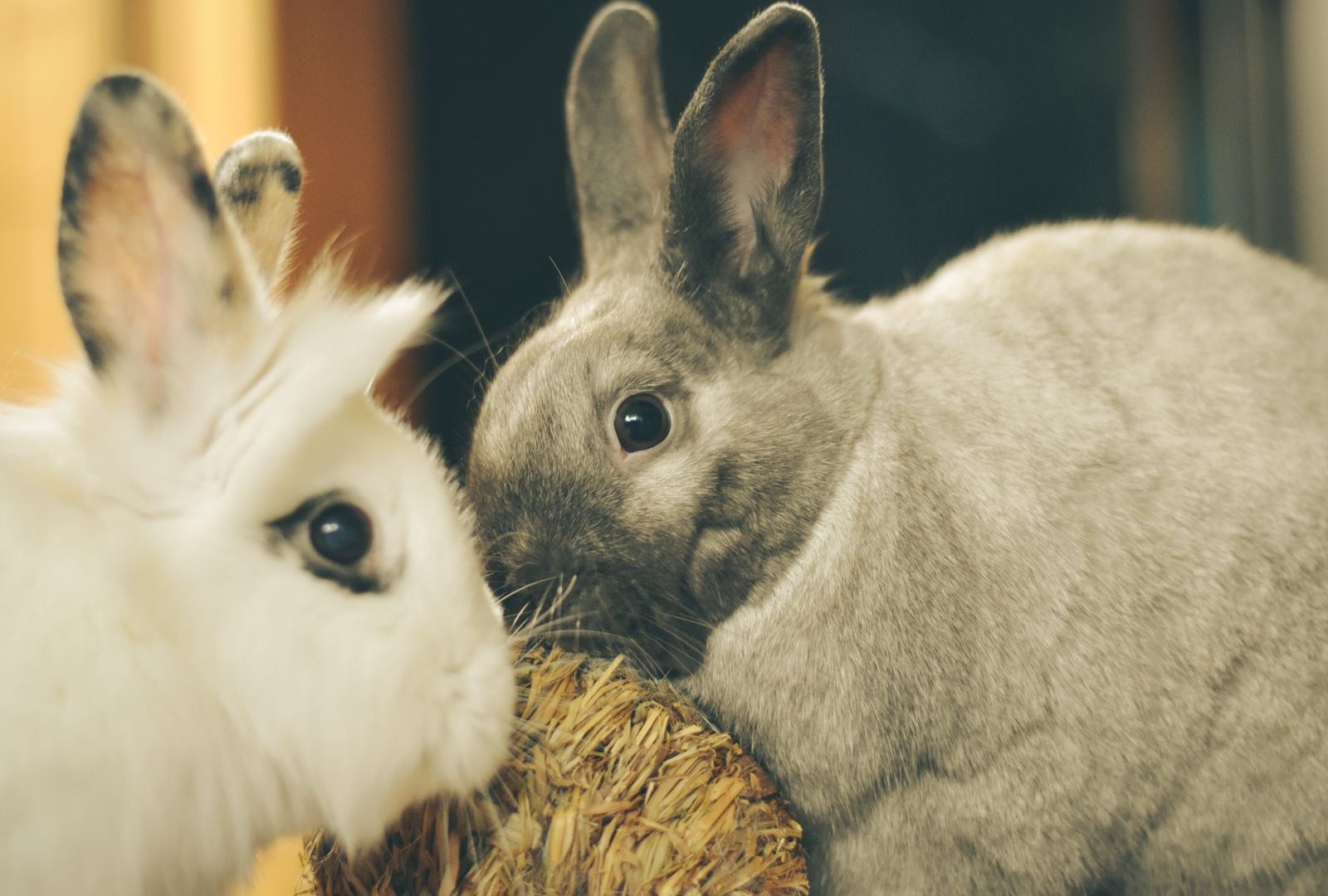
Is your rabbit chewing the furniture, digging at the carpet, or just sitting still and grumpy? That is not a “bad bunny” — that is a bored bunny asking for something to do.
Rabbits are smart, curious animals that need to chew, dig, and explore every day. Give them the right outlets and the naughty behavior usually stops. In this guide you will discover the best rabbit toys, easy DIY ideas, safe materials, and simple enrichment tricks that turn a restless rabbit into a happy, busy, well-behaved companion. 🐰🎉
Enrichment is not a luxury — it is a health need. A rabbit with nothing to do gets bored, stressed, and sometimes destructive or depressed. The fix is wonderfully simple and often free: give your bunny things to chew, toss, dig, and forage. Let us build a play world your rabbit will love.
What you will learn
Why Rabbits Need Toys and Enrichment
Rabbits are intelligent, active animals with a strong need to chew, dig, and forage. In the wild they spend hours every day busy with these jobs. A pet rabbit with an empty pen has all that energy and nowhere to put it — so it goes into your baseboards, cables, and carpet instead.
Why chewing matters most: a rabbit’s teeth never stop growing. Chewing wears them down and prevents painful dental problems. So chew toys are not just fun — they protect your rabbit’s health. Digging and foraging satisfy deep instincts too, keeping your bunny mentally sharp and calm.
The payoff for you: a well-enriched rabbit is friendlier, more playful, and far less destructive. Boredom is one of the top causes of “problem” behavior, and enrichment is the cure. It is also one of the best ways to bond — playing together builds trust fast.
A rabbit does not misbehave to annoy you. It chews and digs because it must. Give it the right outlets and the “bad” behavior melts away.
Signs of a Bored Rabbit
Rabbits cannot tell us they are bored, but their behavior shouts it. Spotting these signs early lets you fix the problem before it becomes a habit.
| Boredom sign | What it usually means |
|---|---|
| Chewing carpet, cables, or furniture | Needs safe things to chew |
| Digging at the floor or corners | Needs a digging outlet |
| Overgrooming or fur-pulling | Stress and lack of stimulation |
| Sitting still, dull, uninterested in food | Depression from boredom or illness |
| Rattling or biting cage bars | Frustration and too little space |
| Overeating or weight gain | Nothing else to do but eat |
Best Types of Rabbit Toys
Great enrichment covers a rabbit’s four favorite jobs: chewing, tossing, digging, and foraging. A good toy box has a little of each.
| Toy type | What it does | Examples |
|---|---|---|
| Chew toys | Wears down teeth, satisfies gnawing | Apple wood sticks, seagrass mats, willow balls |
| Toss toys | Play and exercise | Wooden blocks, plastic baby keys, pinecones |
| Dig boxes | Outlet for natural digging | Cardboard box of shredded paper or hay |
| Forage toys | Mental workout at mealtime | Treat balls, snuffle mats, hay-stuffed tubes |
| Tunnels & hides | Security and exploration | Cardboard tubes, cat tunnels, hidey houses |
DIY Rabbit Toys You Can Make Today (Free!)
Some of the best rabbit toys cost nothing. Rabbits often love a simple homemade toy more than an expensive one. Try these tonight:
- Cardboard castle: tape a few boxes together, cut doorways, and let your bunny chew and explore.
- Toilet-roll treat: stuff an empty tube with hay and a leafy green poking out each end.
- Dig box: fill a low box with shredded paper or hay for guilt-free digging.
- Phone-book shredder: an old plain-paper directory is hours of safe tearing fun.
- Hanging apple twig: tie an untreated apple branch so it swings for chewing and batting.
- Paper-cup toss: a plain paper cup makes a perfect lightweight throw-and-chew toy.
Never underestimate a cardboard box. To a rabbit it is a fort, a chew toy, and a hideout all in one — and it is completely free.
Natural Rabbit Chew Toy Bundle
The easy way to protect teeth and beat boredom. A variety pack of apple wood sticks, woven grass balls, and hanging chews gives your rabbit safe, satisfying things to gnaw — so your furniture stays intact and your bunny stays busy.
- 100% natural materials — untreated wood, seagrass, and rattan safe for chewing
- Variety of textures keeps rabbits interested longer
- Supports dental health by wearing down constantly growing teeth
- Hang or scatter — works in cages, pens, and free-roam spaces
As an Amazon Associate we earn from qualifying purchases. Affiliate links never decide what we recommend.
Safe vs Unsafe Toy Materials
Because rabbits chew and swallow bits of their toys, safety is everything. Use this quick guide before you offer anything new.
| ✅ Safe materials | ❌ Avoid |
|---|---|
| Untreated apple, willow, hazel wood | Painted or varnished wood |
| Seagrass, timothy hay, rattan | Cedar & pine (softwood oils) |
| Plain cardboard & paper | Glossy or inked cardboard |
| Untreated wicker & straw | Soft plastic that shreds into bits |
| Hard baby-safe plastic (toss only) | Rubber, foam, or fabric with stuffing |
Enrichment Beyond Toys
Toys are only part of the picture. The richest life for a rabbit comes from space, choices, and company.
Space and free-roam time
Daily out-of-cage time in a rabbit-proofed area is the single biggest boost to happiness. Room to run, binky (those joyful mid-air twists), and explore beats any single toy.
Foraging for food
Instead of a bowl, scatter greens and pellets around the pen or hide them in paper. This turns eating into a natural hunt that keeps the mind busy.
A rabbit friend
Rabbits are social. A bonded partner offers company no toy can match. If a second rabbit is not possible, spend more one-on-one time yourself.
How to Rotate Toys to Keep Them Fresh
Here is a pro secret: rabbits get bored of the same toys, not of toys in general. Rotation makes old toys feel new again.
- Split toys into 2–3 groups. Only one group is out at a time.
- Swap every few days. Put the current toys away and bring out a different set.
- Reintroduce favorites. After a break, a familiar toy feels exciting all over again.
- Add one new thing occasionally. A fresh texture or shape sparks instant curiosity.
Common Enrichment Mistakes (and Fixes)
Pro Tips From Experienced Keepers
- Watch what your rabbit loves. Some are chewers, some are diggers, some are tossers. Lean into their favorite.
- Use mealtime as enrichment. Hide food to make eating a game.
- Keep chews always available. Dental health depends on constant gnawing.
- Rearrange the pen now and then. A new layout feels like a brand-new world.
- Play together daily. You are the best enrichment of all — a few minutes of interaction goes a long way.
Real-Life Example: From Destructive to Delightful
A story shared often in rabbit groups: a frustrated owner posts that their rabbit keeps chewing the couch and digging the carpet, and asks how to make it stop. Experienced keepers respond the same way every time: the rabbit is not naughty — it is under-stimulated. Add chew toys, a dig box, and daily free-roam time.
A week later, the same owner returns delighted. With a cardboard castle, a box of shredded paper to dig, and safe wood to chew, the couch attacks stopped almost overnight. The rabbit became playful and affectionate instead of frustrated. The lesson repeats endlessly in the rabbit community: destructive behavior is usually a cry for enrichment, and the cure is cheap, simple, and fun for everyone.
Redirect, do not just correct. Give a bored rabbit a better job to do, and the unwanted chewing takes care of itself.
Frequently Asked Questions
What toys do rabbits like best?
Most rabbits love chew toys (apple wood, willow), toss toys (wooden blocks, plastic keys), dig boxes, and forage toys. Cardboard boxes and tubes are perennial favorites.
How many toys does a rabbit need?
Aim for a small variety covering chewing, tossing, digging, and foraging. Rotate them in groups so a handful feels like many.
Are cardboard and paper safe for rabbits?
Yes, plain untreated cardboard and paper are safe and beloved. Avoid glossy, inked, or heavily taped materials, and remove large soggy pieces.
Why does my rabbit ignore its toys?
It may be bored of them, or the toy does not match its style. Rotate toys, try a different type, and add foraging or free-roam time.
Do indoor rabbits need enrichment too?
Absolutely. Indoor rabbits especially need chew toys, dig outlets, and daily exercise to stay happy and to protect your furniture.
Your Rabbit Enrichment Checklist ✅
- Safe chew toys always available (wood, grass)
- A dig box filled with paper or hay
- Forage or puzzle feeder for mental work
- Tunnels and a hidey house for security
- Plain cardboard boxes and tubes on rotation
- Daily supervised free-roam time
- Toys rotated every few days to stay fresh
- All materials checked for safety
A happy rabbit is a busy rabbit. With a mix of chewing, digging, foraging, and exploring — plus a little time with you — your bunny will be playful, calm, and a joy to live with. Best of all, most of it costs next to nothing. Go build that cardboard castle! 🐇🏰
Keep exploring: pair play with good food using our complete diet guide, keep the space clean with our litter training guide, and strengthen your bond with our gentle handling routine.
Related buying guides
What to look for before you buy. These guides contain clearly labelled Amazon affiliate links.
Related guides
Traveling With a Rabbit: Carrier Guide
A vet visit, a house move, or a holiday — sometimes your rabbit has to travel,…

How Long Do Rabbits Live? Lifespan Guide
"How long do rabbits live?" It is one of the first things loving owners want to…
How to Trim Rabbit Nails Safely
Nervous about cutting your rabbit’s nails? You are in very good company. The fear of cutting…